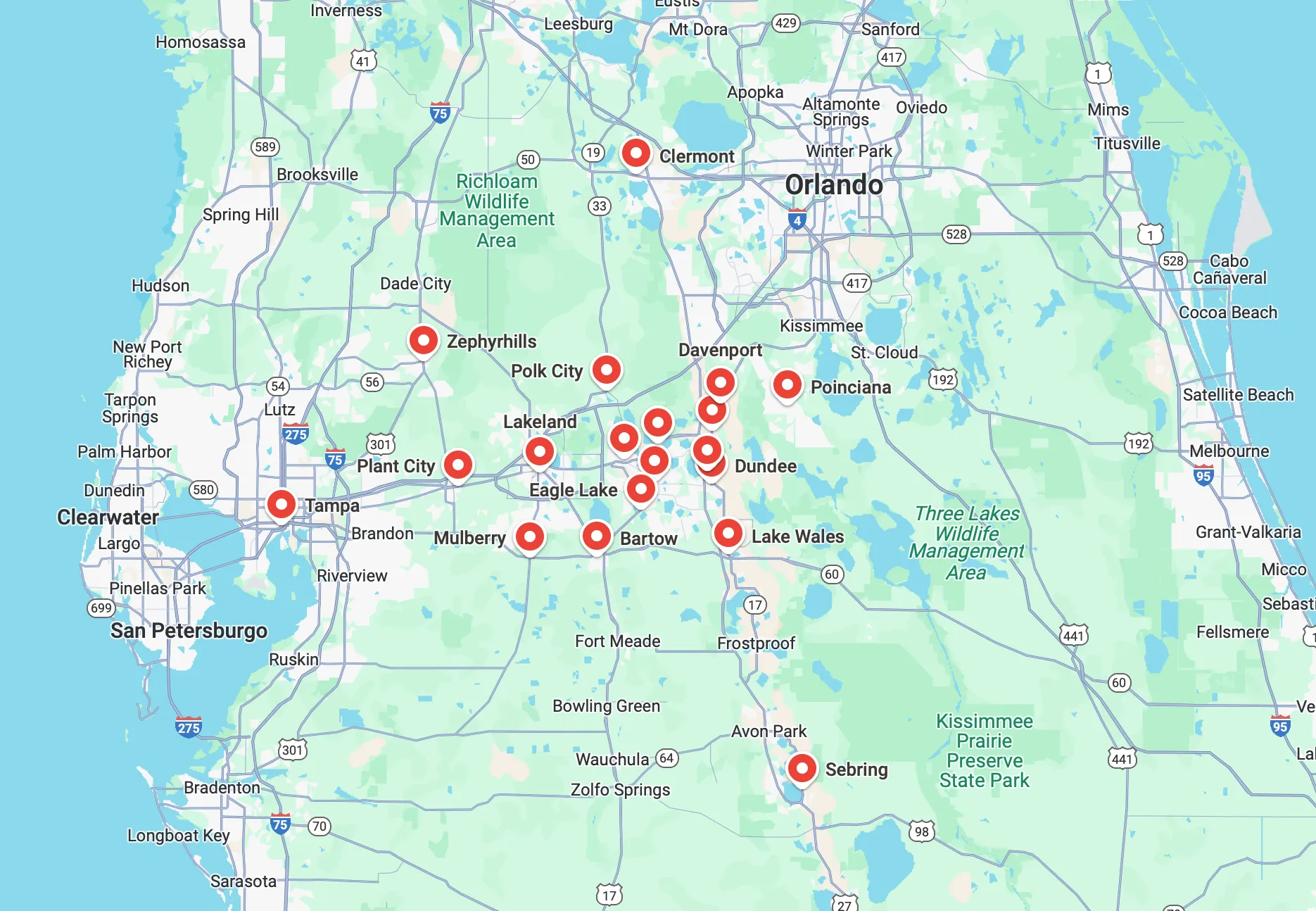
HVAC Company in Lake Hamilton, FL
Lake Hamilton residents can rely on our full-service HVAC expertise for lasting comfort in our demanding climate. We provide precision installations and swift repairs to combat high humidity, mold, and corrosion. Our transparent process includes tailored maintenance plans and IAQ solutions, delivering improved efficiency and long-term savings for your home.
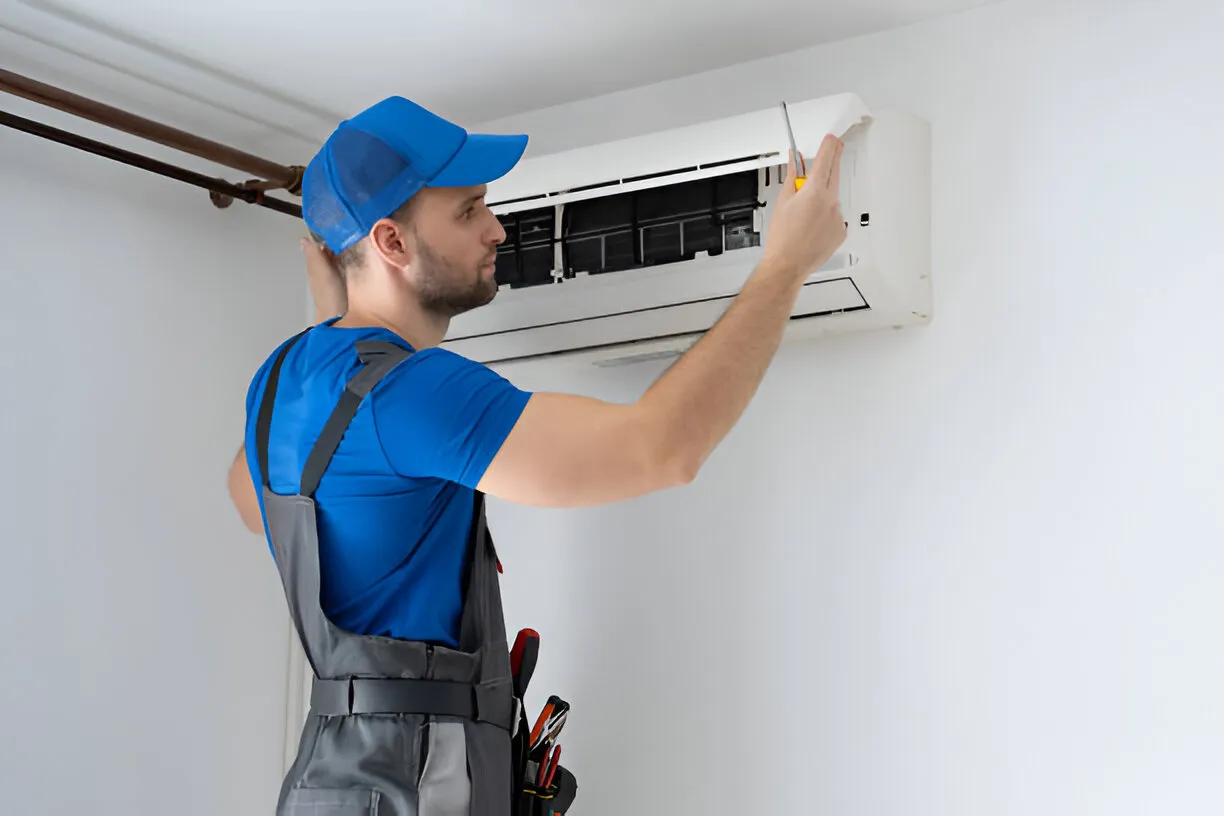
Why local HVAC service matters in Lake Hamilton, FL
Florida’s climate drives high cooling loads year‑round. Homes here face:
- Extended cooling season and high humidity that increase strain on systems
- Mold and mildew risk from persistent moisture
- Corrosion risk near waterways and during hurricane season
- High seasonal energy use driving the need for efficient systems
A local HVAC company understands these regional challenges and selects installations, maintenance schedules, and indoor air quality solutions that suit Lake Hamilton homes.
Common HVAC problems in Lake Hamilton and causes
Homeowners typically call for:
- Weak or inconsistent cooling: often due to low refrigerant, blocked coils, or failing compressors
- Short cycling and frequent runtime: caused by wrong system sizing, thermostat issues, or airflow restrictions
- High humidity and musty odors: from inadequate dehumidification, condensate problems, or duct leakage
- Frozen evaporator coils: restricted airflow or refrigerant imbalance
- Noisy operation or failing blower motors: wear, belt issues, or debris
- Intermittent operation after storms or power surges: electrical faults or control board damage
Understanding the root cause is essential - temporary fixes often lead to repeat calls and premature replacements.
Installation: choosing the right system for Lake Hamilton homes
Upgrading or installing a new system is one of the most impactful decisions for comfort and energy costs. Key considerations for Lake Hamilton:
- Cooling capacity and correct sizing: undersized systems run constantly; oversized units short‑cycle. Manual J load calculations ensure proper sizing for your home’s layout, insulation, and window exposure.
- Efficiency features: higher SEER ratings, variable‑speed compressors, and two‑stage systems reduce runtime and humidity. In humid climates, equipment that prioritizes dehumidification improves comfort more than raw cooling capacity.
- Heat pumps vs. split systems: modern heat pumps offer efficient year‑round operation in Florida climates and can provide both cooling and heating without separate furnaces.
- Corrosion‑resistant components and protective coatings: recommended near coastal or lake environments to extend equipment life.
A professional install includes duct evaluation, proper refrigerant charge, and thermostat calibration to deliver peak performance.
Diagnostic process and repair workflow
A reliable service follows a clear diagnostic and repair process:
- Initial assessment: technician documents system age, model, symptom history, and recent events (storms, power outages).
- Comprehensive inspection: filters, coils, refrigerant levels, electrical components, blower motor, ductwork, condensate drain and pan, thermostat, and airflow measurements.
- Findings review: explanation of root causes in plain language, options for repair vs. replacement, and projected timelines.
- Repair and testing: parts replacement, cleaning, recalibration, leak repair, and full performance verification under load.
- Post‑service recommendations: preventative steps and suggested follow‑up schedules.
Typical repairs are completed same day when parts are on hand; for complex issues, replacement scheduling and temporary measures are provided to restore comfort quickly. Emergency repairs are prioritized with rapid response windows during extreme heat or system failures.
Indoor air quality (IAQ) solutions tailored to Lake Hamilton
High humidity and pollen season make IAQ an important priority. Effective solutions include:
- High‑efficiency MERV/HEPA filtration for finer particle capture
- Whole‑home air purifiers and UV lights to reduce biological growth on coils and in ducts
- Dehumidification options: whole‑home dehumidifiers or advanced AC systems with enhanced moisture control
- Balanced ventilation and energy recovery ventilators (ERVs) to improve fresh air without excess humidity
- Duct cleaning and sealing to remove contaminants and improve airflow
Selecting the right mix depends on your household sensitivities, attic conditions, and how tightly the home is sealed.
Service plans, warranties, and financing options
Preventative maintenance and predictable coverage reduce emergency calls and extend system life. Typical offerings include:
- Tiered maintenance plans that cover seasonal inspections, prioritized scheduling, and parts discounts
- Warranty coordination and guidance on manufacturer coverage and extended warranties
- Flexible financing options to spread major repairs or replacement costs over time, including options designed for energy‑efficient upgrades
Service plans are structured to match different comfort needs and budgets while reducing total cost of ownership through proactive care.
Energy‑efficiency upgrades and model comparisons
Upgrading to modern equipment can cut cooling costs and improve comfort:
- Compare models by SEER rating, variable vs. single‑stage operation, and dehumidification performance
- Consider incentives for high‑efficiency systems and the long‑term return on investment through reduced utility bills
- Duct sealing, thermostat upgrades (programmable or smart), and insulation improvements often yield meaningful efficiency gains with lower upfront cost than equipment replacement
A clear side‑by‑side comparison of models and expected annual energy savings helps homeowners make informed replacement decisions.
Clear instructions for requesting a quote or scheduling service
When preparing to request a quote or schedule service, have this information ready to streamline the process:
- Home address and general layout (single story, two story)
- Age and model numbers of your current HVAC equipment (if available)
- Description of symptoms, recent changes, and any error codes or thermostat messages
- Preferred availability and whether the issue is an emergency or routine evaluation
- Any known indoor air quality concerns or occupants with sensitivities
Providing these details upfront helps a technician prepare the right parts and diagnostic tools and shortens response time.
Maintenance tips to extend system life and lower costs
- Replace standard filters every 1–3 months; high‑efficiency filters per manufacturer guidance
- Keep outdoor condensers clear of debris and vegetation for proper airflow
- Schedule professional tune‑ups at least once a year; in humid climates, biannual checks (spring and fall) are often recommended
- Seal duct leaks and insulate exposed ducts in attics or crawl spaces
- Use programmable thermostats to reduce runtime during unoccupied hours without sacrificing comfort

Customer Testimonials

Service Areas