Whole House Dehumidification in Lake Hamilton, FL
IAQ Whole-House Dehumidification in Lake Hamilton, FL
Homes in Lake Hamilton experience long, warm, humid seasons that make indoor humidity a year-round issue. IAq whole-house dehumidification integrated with your HVAC is the decision-stage solution for homeowners who want consistent indoor comfort, reduced mold and allergen risk, and better protection for finishes and electronics.
Why whole-house dehumidification matters in Lake Hamilton
Lake Hamilton sits in a subtropical climate with frequent rainfall, high dew points, and humid air that easily migrates into homes. High indoor relative humidity (RH) causes:
- Persistent sticky or clammy feeling even when temperature is moderate
- Mold growth on walls, ceilings, and inside closets
- Dust mite proliferation and higher allergen loads
- Condensation on windows, metal fixtures, and electronics
- Increased perception of heat which drives heavier air conditioner use
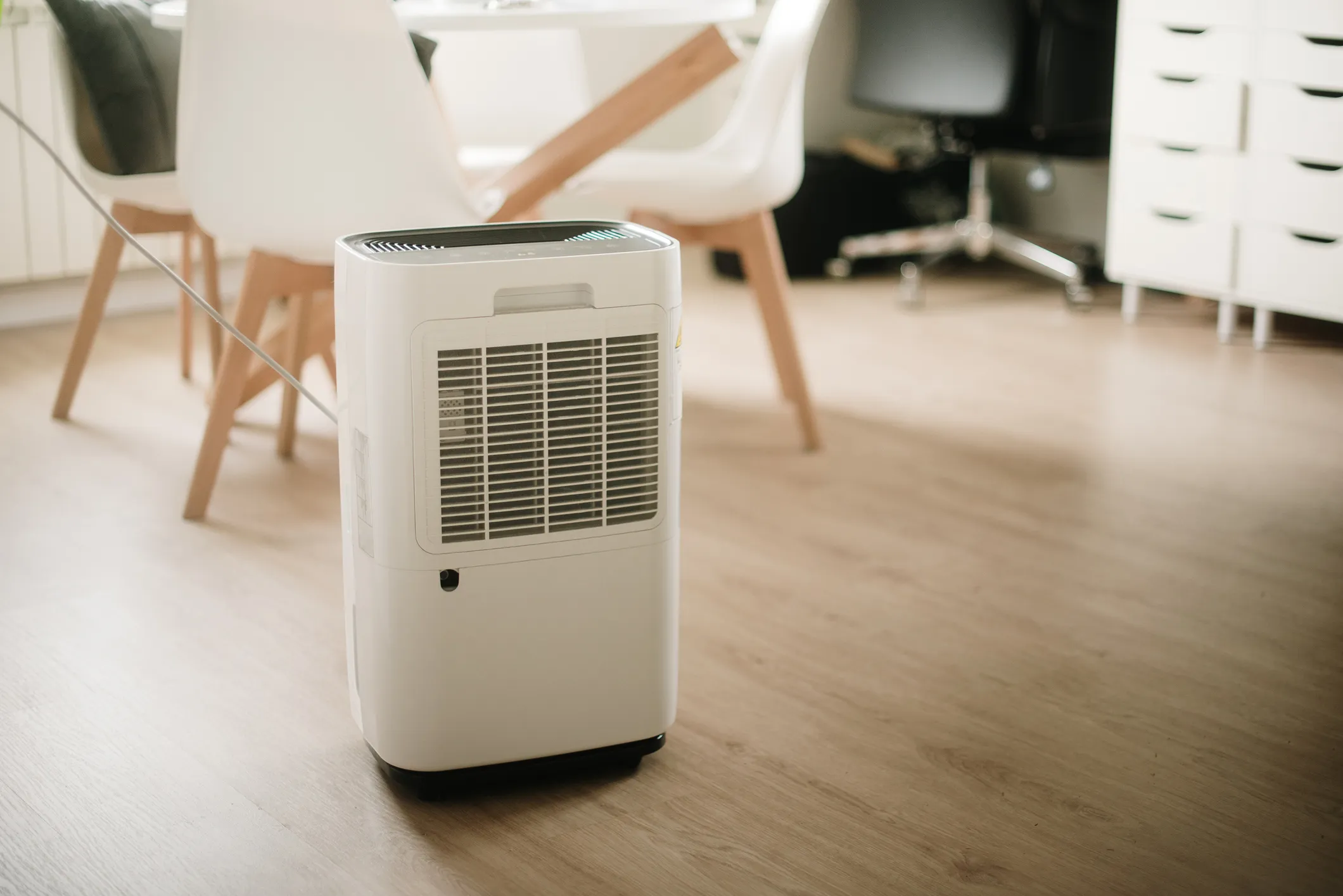
A properly integrated whole-house dehumidifier controls moisture at the source and maintains a stable RH level throughout living spaces, not just where a portable unit happens to sit.
Common whole-house dehumidification options
- Refrigerant whole-house dehumidifiers that tie into the air handler. These remove moisture by cooling air over a refrigerated coil and are best for typical Florida residential loads.
- Bypass dehumidifiers that use the central fan to move a portion of conditioned air through the dehumidifier and back to the return. These often use less duct modification.
- Fan-powered (direct) whole-house units that actively move air through the dehumidifier for higher capacity.
- Desiccant dehumidifiers for very high humidity or spaces that require low dew points; less common for standard Lake Hamilton homes.
- Integrated controls and humidistats that work with your thermostat or operate independently for precise RH control.
Portable dehumidifiers have a place for localized problems but are not an effective long-term solution for whole-home moisture control in humid climates.
Common IAQ Whole-House Dehumidification issues in Lake Hamilton
- Undersized unit unable to keep RH below 55 percent during summer
- Improper placement causing uneven dehumidification across rooms
- Condensate drainage problems leading to backups or leaks
- Control conflicts between thermostat humidistats and HVAC controls
- Reduced performance when the air conditioner is oversized and short cycles
Identifying these issues requires a diagnostic that includes moisture load calculation and an assessment of the existing HVAC system and home envelope.
Sizing and diagnostic process
Proper sizing is critical. Whole-house dehumidifier performance is expressed in pints or gallons per day under standard conditions. Sizing must account for:
- Square footage and ceiling height of conditioned space
- Number of occupants and typical occupancy patterns
- Local climate data for Lake Hamilton including seasonal humidity and temperature
- Specific moisture sources: indoor pools, large aquariums, frequent cooking, or lakefront ventilation
- Building envelope tightness, attic and crawlspace conditions, and ventilation strategies
A typical Florida home will often need a unit in the mid to high capacity range. Professionals perform load calculations and may use on-site measurements with psychrometers or data loggers to capture dew point, RH, and temperature over time. Target indoor RH for health and mold control in humid Florida homes is generally 45 to 50 percent; this keeps dust mite and mold risk low while avoiding over-dry conditions.
Installation considerations for Lake Hamilton homes
- Location: Whole-house units are usually installed adjacent to the air handler or in a utility closet. Placement should minimize duct runs and allow easy access for service.
- Duct integration: Some installations require bypass ducts or modifications to return/ supply plenums. Proper airflow balance is essential to avoid negative pressure in the house.
- Drainage: Condensate must be routed to a drain line or sump pump. Gravity drains are preferred when possible; pump-assisted drains are used when elevation is an issue.
- Electrical: Most units need a dedicated circuit and a place for control wiring to the thermostat or humidistat.
- Coordination with HVAC: Dehumidifiers work best when matched to the HVAC system. Oversized air conditioners or inadequate airflow can reduce dehumidification efficiency.
- Permitting and code: Local plumbing or electrical permits may be required for drain and electrical work. Installation should comply with local building practices for moisture management.
Maintenance and service expectations
Routine maintenance keeps whole-house dehumidifiers operating efficiently and extends equipment life. Typical service items include:
- Replace or clean air filters regularly to protect coils and sustain airflow
- Inspect and clean the evaporator coil and condensate pan to prevent buildup and microbial growth
- Verify condensate drain integrity and clear clogs; test condensate pump if present
- Calibrate and test the humidistat and any integrated controls
- Check refrigerant charge and system pressures on refrigerant-based units
- Confirm airflow and supply-return balance after installation or seasonal HVAC work
Annual or semi-annual inspections prior to the wet season in central Florida will catch emerging problems before they impact comfort or cause mold. Watch for signs of failure such as rising indoor RH, water leaks, persistent musty odors, or frequent short cycling.
Benefits: comfort, health, and long-term protection
- Consistent comfort: Lower humidity improves perceived comfort so thermostat settings can be higher without feeling sticky.
- Reduced mold and allergens: Maintaining RH below 50 percent slows mold, mildew, and dust mite growth, helping allergy sufferers.
- Energy optimization: Efficient moisture control can reduce AC runtime and stabilize indoor conditions, leading to better overall system performance.
- Protects the home: Controlling moisture reduces risk of wood rot, paint failure, warped floors, and corrosion on fixtures and electronics.
- Better indoor air quality: Properly integrated IAQ dehumidification minimizes stagnant moisture pockets that feed biological growth.

Customer Testimonials

Service Areas