Home Air Filtration in Lake Hamilton, FL
IAQ Home Air Filtration in Lake Hamilton, FL
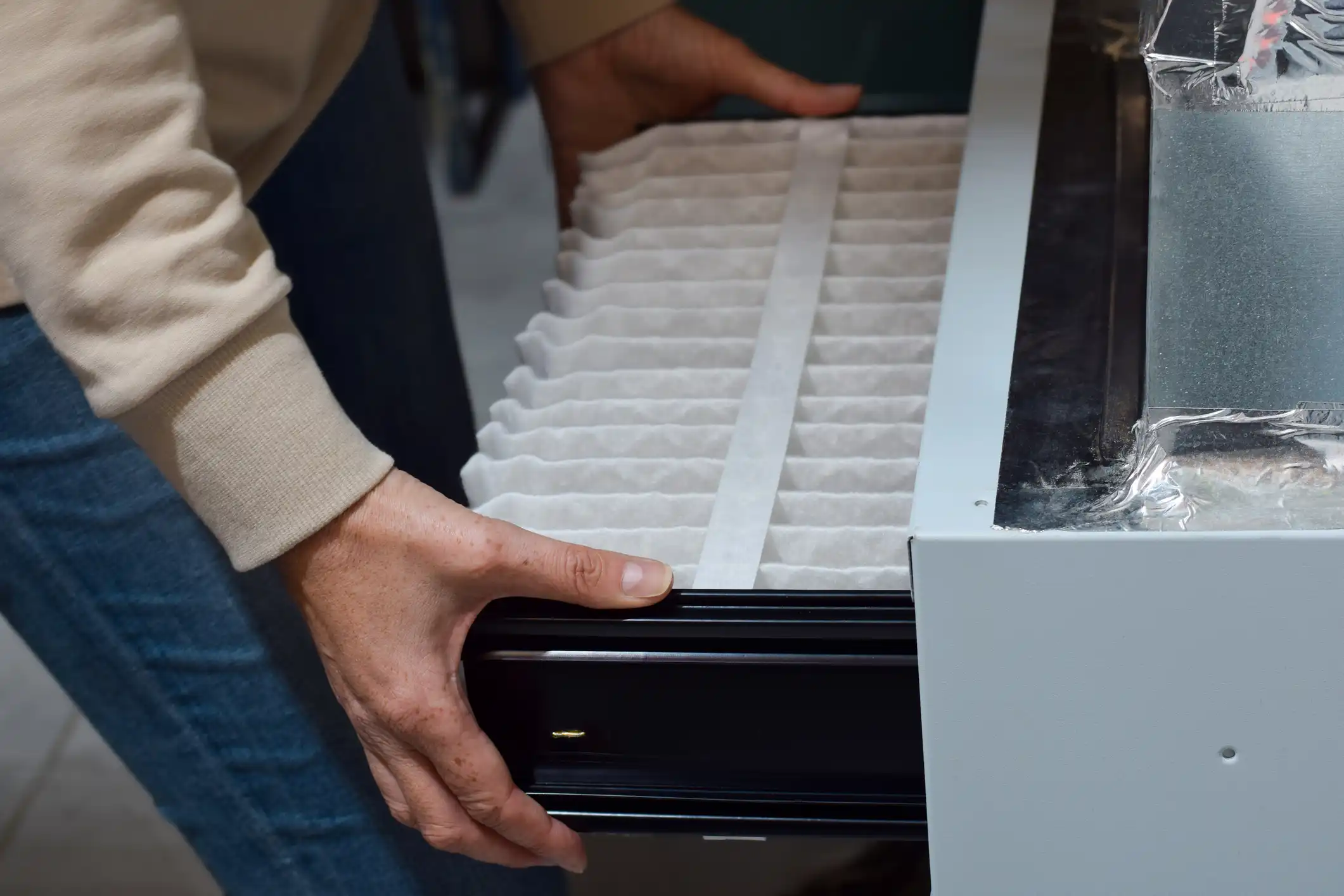
Indoor air quality matters year-round in Lake Hamilton, FL. Hot, humid summers, seasonal pollen, and occasional storm-driven dust and debris make homes vulnerable to airborne allergens, mold spores, and pollutants. An IAQ Home Air Filtration system designed to work with your existing HVAC reduces dust, pollen, pet dander, and many airborne particles so your family breathes cleaner air and your HVAC runs more efficiently.
Common IAQ problems in Lake Hamilton, FL homes
- High indoor humidity that encourages mold and mildew growth
- Seasonal pollen and grass pollens during spring and fall
- Persistent household dust and pet dander
- Odors and volatile organic compounds from cleaning products or building materials
- Fine particles from nearby lawn work, road dust, or storm-driven air intrusion. Understanding these issues helps pick the right filtration strategy for local climate and lifestyle factors.
IAQ Home Air Filtration types and filter options
Selecting the right filter depends on the pollutants you want to reduce, your HVAC system’s capabilities, and your tolerance for maintenance and operating cost.
- Whole-house in-duct filters
- MERV-rated media filters (MERV 8 to MERV 13 are common)
- Pros: consistent filtration for the entire home, low visual impact
- Consideration: higher MERV ratings increase pressure drop; confirm HVAC fan capacity
- True HEPA filtration (0.3 micron efficiency)
- Pros: captures 99.97% of 0.3 micron particulates
- Consideration: true HEPA usually used in stand-alone central bypass units or portable units; most standard residential air handlers are not designed for direct HEPA installation without modification
- Electronic air cleaners and electrostatic precipitators
- Pros: effective on fine particles, washable cells reduce waste
- Consideration: require routine cleaning and can produce small amounts of ozone if not designed correctly
- Activated carbon or chemisorption modules
- Pros: reduce odors, VOCs, and smoke
- Consideration: used in combination with particle filters for comprehensive IAQ
- UV germicidal lights (complementary technology)
- Pros: reduces microbial growth on coils and in ducts
- Consideration: not a substitute for particulate filtration; works best with proper humidity control
How IAQ filtration integrates with your existing HVAC
Most Lake Hamilton homes use central forced-air systems. Proper integration keeps airflow within manufacturer limits and avoids excess strain on the blower.
- Standard integration points
- Return grille with cabinet filter
- Filter rack or media filter installed at the air handler
- Bypass or parallel HEPA modules when true HEPA is required
- Key compatibility checks
- Measure static pressure and confirm blower capacity before selecting high-MERV or HEPA options
- Verify filter dimensions and track system access for easy maintenance
- Combine filtration with humidity control if your home shows mold or condensation signs
- System balancing and commissioning
- After installation, airflow should be tested and adjusted so every room gets adequate supply and return air
- Sealing connections in the return and plenum reduces bypass and increases filtration effectiveness
Typical installation process
- Step 1: On-site assessment
- Technician inspects your air handler, duct layout, return locations, and existing filter setup. Local conditions like attic insulation and duct leakage are noted.
- Step 2: Filter selection and sizing
- Decide on MERV level or complementary technologies based on indoor pollutant priorities and HVAC capacity.
- Step 3: Physical installation
- Install media filter racks, retrofit cabinet filters, or add supplementary units. Ensure secure seals, correct airflow direction, and access for maintenance.
- Step 4: System testing and optimization
- Check static pressure, verify airflow, and confirm filters are seated properly. If a bypass or HEPA module is used, ensure proper bypass sealing and fan adjustments if required.
- Step 5: Customer briefing
- You receive guidance on filter change intervals, monitoring, and signs that service is needed.
Maintenance considerations for Lake Hamilton, FL
Regular maintenance preserves performance and prevents issues caused by the region’s humidity and pollen.
- Filter replacement intervals (typical guidelines)
- MERV 8 to MERV 11: inspect every 1 to 3 months, replace at 3 months or as needed
- MERV 12 to MERV 13: inspect monthly; replace at 2 to 6 months depending on load
- Electronic cells: clean per manufacturer schedule, usually every 1 to 3 months
- Activated carbon cartridges: replace per VOC exposure and manufacturer recommendations
- Seasonal actions
- Spring and fall pollen seasons: more frequent inspections and replacements
- After storms or construction: inspect ducts and filters for increased debris
- Signs maintenance is overdue
- Reduced airflow, increased dusting, rising energy bills, or audible changes in the HVAC system
- Complementary maintenance
- Check and address excess humidity with a whole-house dehumidifier or improved ventilation to reduce mold risk
- Regular duct inspections and coil cleaning enhance filtration performance
Health, comfort, and performance expectations
- Allergen reduction: Properly selected filtration can significantly reduce airborne pollen, pet dander, and dust, which helps allergy and asthma sufferers breathe easier.
- Particle capture: A true HEPA or high-MERV filter will dramatically lower fine particle counts. HEPA captures up to 99.97% of 0.3 micron particles; MERV 13 captures a high percentage of smaller particles while being more compatible with many residential systems.
- Odor and VOC control: Activated carbon modules will reduce common household odors and some VOCs when combined with particle filtration.
- Comfort and cleanliness: Expect less visible dust, fewer HVAC coil and duct contaminants, and potentially fewer triggers for sinus irritation.
- Energy and airflow tradeoffs: Higher filtration efficiency can increase static pressure and energy use if the system must work harder. Proper assessment and system tuning minimize these impacts.
Local tips for Lake Hamilton homeowners
- Prioritize humidity control: With humid summers, pairing filtration with dehumidification limits mold spore circulation and maximizes filter life.
- Monitor seasonal pollen: Increase inspection frequency during peak pollen months to avoid rapid filter loading.
- Protect during storm season: After storms or roof/attic repairs, inspect ductwork for debris and ensure return grilles are sealed.
- Balance filtration and ventilation: Maintain adequate fresh air exchange without negating filtration gains, especially during high outdoor pollen days.
An IAQ Home Air Filtration solution tailored to Lake Hamilton, FL homes brings measurable improvements in air quality, comfort, and long-term HVAC health when selected and installed following system compatibility and local climate considerations. Proper assessment, balanced integration with your HVAC, and consistent maintenance are the keys to getting the expected health and performance benefits.

Customer Testimonials

Service Areas