HVAC Replacement in Lake Hamilton, FL
HVAC Replacement in Lake Hamilton, FL
Replacing an aging or failing HVAC system is one of the most impactful home upgrades for comfort and energy savings in Lake Hamilton, FL. With long, hot, humid summers and frequent year-round cooling needs, choosing the right replacement system improves indoor air quality, lowers monthly utility bills, and reduces the risk of mid-summer breakdowns.
.webp)
When replacement is recommended
Watch for these common signs that HVAC replacement is the better choice versus repair:
- System age over 10–15 years (older refrigerant types or declining compressor reliability)
- Increasing repair frequency or rising repair costs relative to system value
- Inconsistent cooling, poor humidity control, or rooms that never reach set temperature
- Rapid refrigerant leaks or compressor failures
- Excessive energy bills despite regular maintenance
- Noisy operation, burnt smells, or visible corrosion and rust on outdoor units
- Ductwork or indoor air quality problems tied to aging equipment
In Lake Hamilton, where air conditioning runs many months a year, systems that struggle to keep up with humidity often indicate overall capacity or efficiency problems best solved by replacement.
How systems are evaluated and recommended
A professional HVAC replacement starts with a thorough evaluation:
- Visual inspection of outdoor and indoor equipment for corrosion, leaks, and age-related wear
- Ductwork assessment for leaks, insulation, and layout issues that affect airflow
- Performance check: temperature splits, refrigerant pressure, electrical load, and safety controls
- Load calculation (Manual J) to size the replacement correctly based on home layout, insulation, window types, and Lake Hamilton’s climate
- Recommendations that consider both cooling capacity and humidity control, including high-efficiency options like variable-speed compressors or modern heat pumps
Recommendations focus on matching capacity to actual home needs (not oversizing), improving humidity control, and choosing equipment with appropriate SEER/EER ratings for Florida’s cooling-dominant climate.
Higher-efficiency models and what they mean for your home
High-efficiency HVAC choices commonly recommended in Lake Hamilton include:
- Modern air conditioners with higher SEER ratings for lower kilowatt-hour usage
- Heat pumps sized for Florida climate that provide efficient cooling and mild heating
- Variable-speed air handlers and compressors for better humidity control and quieter operation
- Zoned systems or smart thermostats to reduce energy use in unoccupied areas
Higher-efficiency equipment reduces operating costs and often improves comfort, but upfront costs vary based on system type, home size, and any duct or electrical upgrades required.
Cost considerations (what impacts price)
While exact prices vary, replacement cost is influenced by:
- System capacity and efficiency rating selected
- Type of system (split AC, heat pump, packaged unit, ductless)
- Ductwork repairs or replacement, attic insulation upgrades, or register balancing
- Electrical work or panel upgrades required to meet new unit demands
- Accessibility and complexity of installation (roof mounts, tight crawlspaces)
- Permit, disposal, and inspection fees
A professional quote should itemize these factors so you understand what drives the final estimate.
Removal and disposal of old equipment
Proper removal includes:
- Recovering refrigerant per EPA requirements and documenting disposal
- Disconnecting electrical and refrigerant lines safely
- Removing old equipment and preparing the pad/curb for the new unit
- Responsible disposal or recycling of metal, copper, and refrigerant-containing components
Licensed technicians follow all local codes and environmental regulations when removing and disposing of old HVAC equipment.
New system installation steps
Typical installation follows a clear sequence:
- Finalize equipment selection and obtain permits
- Prepare the site (pad, curb, or roof support; clearances)
- Remove old equipment and modify ductwork or electrical as needed
- Set and secure the new outdoor unit and indoor air handler or coil
- Connect refrigerant lines, electrical, and drain lines
- Evacuate and charge the refrigerant to manufacturer specs
- Test system operation, airflow, temperature differential, and safety controls
- Commissioning and homeowner orientation on controls and maintenance
- Provide warranty documents and completion paperwork
Quality commissioning ensures the system performs as designed in Lake Hamilton’s hot, humid conditions.
Expected energy savings and payback
Upgrading from an older system to a high-efficiency model often yields:
- Energy savings of 15% to 40% depending on how inefficient the old unit was and the efficiency of the new equipment
- Improved dehumidification and comfort, which can reduce perceived need to run the system continuously
- Payback periods that depend on local energy rates, system cost, and incentives; in many cases homeowners see measurable bill reductions within a few years
To estimate payback, compare your prior annual HVAC energy usage and bills to projected savings from a higher-SEER system, factoring in local electricity rates and typical annual cooling degree days for central Florida.
Rebates, incentives, and financing
Many homeowners qualify for rebates and incentives that reduce upfront cost:
- Utility company rebates for qualifying high-efficiency equipment and heat pumps
- Federal or state tax credits for certain energy-efficient HVAC upgrades (subject to current programs)
- Manufacturer rebates or local energy-efficiency programs
- Financing options through lenders or equipment providers to spread payments over time
Eligibility and program availability can change, so consider documenting recommended equipment specifications to determine which incentives apply.
Warranty details to watch for
Warranties protect your investment but vary by type:
- Manufacturer warranty: typically covers parts for a set number of years (check whether compressor and coil have separate terms)
- Extended parts warranty: available for purchase or registration within a limited window
- Labor warranty: often provided by the installer for workmanship and varies in length
- Conditional coverage: some extended warranties require regular maintenance records
Keep all warranty documents and maintenance receipts; proper, documented maintenance is commonly required to keep warranties valid.
Post-installation maintenance and long-term value
To prolong lifespan and maximize savings:
- Schedule seasonal tune-ups and filter changes
- Keep outdoor units clear of vegetation and ensure proper airflow
- Maintain attic insulation and seal duct leaks to reduce system load
- Use programmable or smart thermostats to reduce runtime during unoccupied periods

Customer Testimonials

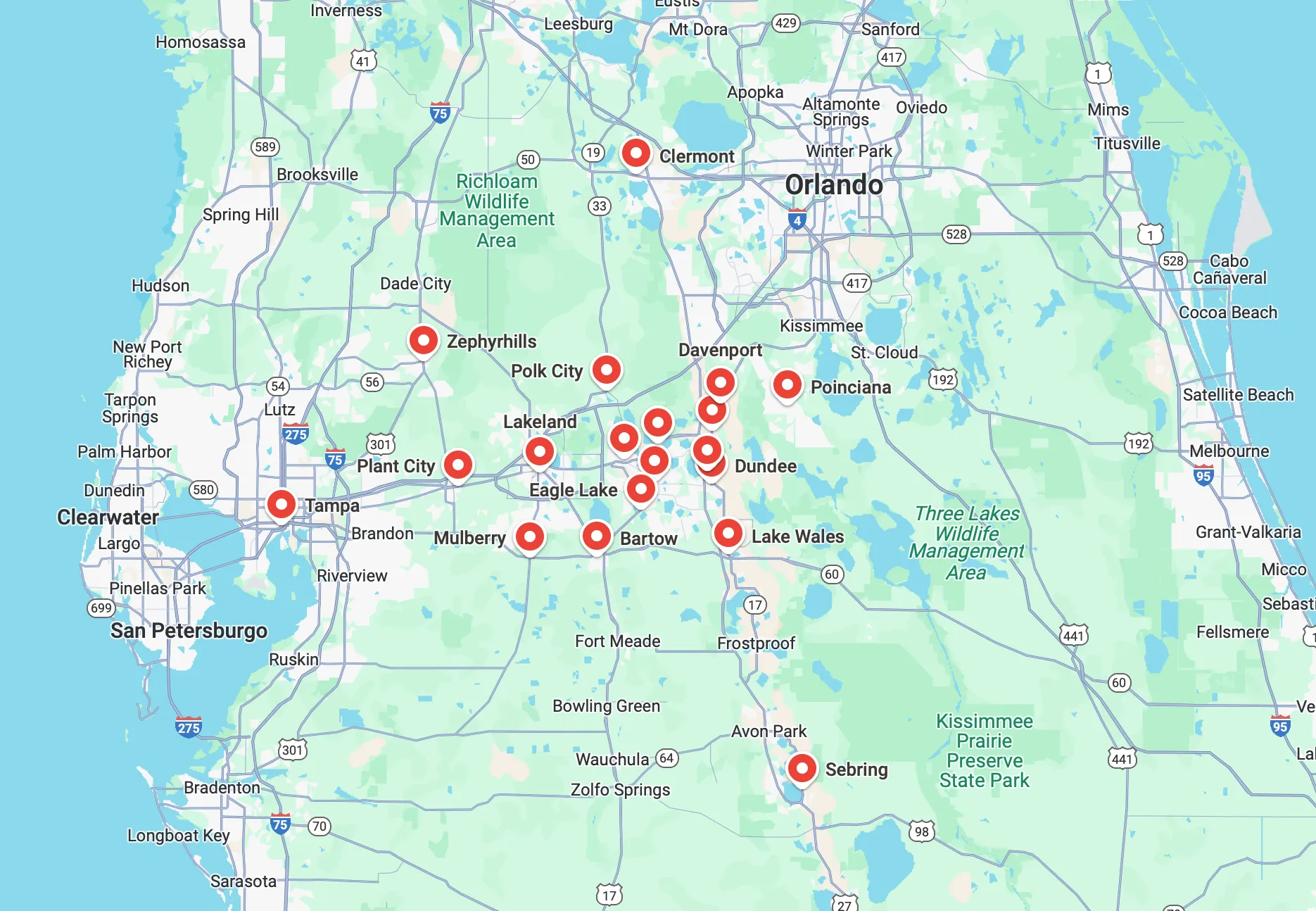
Service Areas