Furnace Service in Auburndale, FL
Heating Furnace Service in Auburndale, FL
A reliable heating furnace service in Auburndale, FL matters even though winters are mild. When temperatures dip overnight or during cold fronts, a malfunctioning furnace can create discomfort, trigger safety risks, or drive up energy costs.
.jpeg)
Why local furnace service matters in Auburndale, FL
Auburndale’s subtropical climate means furnaces run intermittently rather than continuously. That intermittent use can cause different wear patterns compared with northern climates: more starts and stops, potential moisture-related corrosion, and accumulated dust or pollen during long idle periods. Storms and occasional power fluctuations in central Florida also increase the need for fast emergency response and reliable electrical diagnostics. Local technicians understand these patterns and can tailor inspections and maintenance to reduce seasonal failure risks.
Common furnace issues in Auburndale and how they present
Homeowners in Auburndale commonly see these furnace problems:
- Dirty or clogged air filters causing weak airflow, uneven heating, and higher energy bills.
- Ignition or pilot light failures on gas furnaces leading to no heat or intermittent heating.
- Blower motor problems producing unusual noises, vibration, or inconsistent airflow.
- Thermostat malfunctions or sensor issues causing short cycling or temperature swings.
- Heat exchanger cracks that produce strange smells, poor heat transfer, or safety concerns.
- Corrosion and moisture damage to electrical components from humid conditions.
- Electrical control board failures after storms or power surges, resulting in non-operational units.
Each symptom has a typical set of likely causes; accurate diagnosis prevents unnecessary parts replacement and keeps repair costs controlled.
Furnace diagnostics: what to expect
A professional diagnostic inspection in Auburndale will systematically identify root causes before any repair work:
- Visual inspection of the furnace cabinet, burners, heat exchanger, wiring, and venting.
- Airflow and static pressure checks to detect duct or blower restrictions.
- Combustion analysis on gas units to ensure safe pilot/ignition and proper burner operation.
- Electrical testing of capacitors, relays, control boards, and safety switches.
- Thermostat and control verification, including temperature delta and cycle testing.
- Moisture and corrosion inspection, especially around condensate lines and electrical connections.
Technicians document findings and explain repair priorities, safety concerns, and estimated timelines so you can make informed decisions.
Typical repairs and solutions
Repair work focuses on restoring safe, efficient heating while preventing repeat issues:
- Replacing air filters and cleaning return grilles to restore airflow and indoor air quality.
- Repairing or replacing ignition systems, pilot assemblies, and gas valves on combustion units.
- Replacing blower motors, belts, or bearings to eliminate noise and improve airflow.
- Sealing or repairing ducts and adjusting blower speeds for balanced distribution.
- Repairing or replacing thermostats and control boards to stop short cycling and improve accuracy.
- Addressing heat exchanger issues; small cracks may sometimes be sealed, but many require replacement due to safety.
- Corrosion remediation and electrical connection replacement after moisture damage.
Parts used are matched to the unit type and manufacturer recommendations to preserve efficiency and warranty considerations.
Preventive maintenance checklist for Auburndale homes
Regular tune-ups reduce emergency repairs and extend furnace life. A typical preventive maintenance visit includes:
- Thorough cleaning of burners, heat exchanger, and condensate paths.
- Filter replacement or inspection and advice on appropriate filter types.
- Lubrication of moving parts and inspection of belts, pulleys, and bearings.
- Safety checks on limit switches, flame sensors, and carbon monoxide safeguards.
- Combustion efficiency testing for gas units and venting inspection.
- Calibration of thermostats and operational test across multiple cycles.
Scheduling maintenance in early fall is ideal in Auburndale so your furnace is ready for any cold snaps and protected from the humid season.
Emergency response and safety guidance
Storms and sudden outages in central Florida mean emergency furnace repairs are sometimes necessary. Emergency services typically cover:
- Fast diagnostics for no-heat or unsafe operation, including suspected gas leaks or carbon monoxide concerns.
- Temporary repairs or safe shutdown procedures if a major component is compromised.
- Electrical troubleshooting after power surges and replacement of failed control components.
- Instructions for safe homeowner actions: turn off gas if you smell it, shut off the furnace power if you detect burning smells or smoke, and ventilate the area if carbon monoxide alarms activate.
Safety is the priority; technicians explain any imminent hazards and recommended next steps.
Service plan options and what they include
Service plans provide predictable costs and prioritized care for homeowners who want peace of mind. Common plan features include:
- Annual or biannual tune-ups timed for local seasonal needs.
- Priority scheduling for service calls and reduced wait times after storms.
- Discounted rates on repairs and parts replacement.
- Regular reminders for filter changes and maintenance visits.
- Detailed inspection reports to track system performance over time.
Plans can be tailored to single systems or whole-home HVAC coverage depending on needs and system complexity.
Warranty and parts considerations
When servicing furnaces in Auburndale, it matters whether parts are OEM or aftermarket:
- OEM parts match manufacturer specifications and help preserve existing equipment warranties.
- High-quality aftermarket parts can be cost-effective for out-of-warranty systems but verify expected life and warranty from the parts supplier.
- Labor warranties often cover specific repairs for a set period; understand what is and is not included before work begins.
- Keep records of service and parts replaced to support any future warranty claims and to inform replacement decisions.
When to repair versus replace
Deciding to repair or replace depends on several objective factors:
- Age: Furnaces older than 15 to 20 years are often less efficient and more prone to major failures.
- Repair frequency: Multiple repairs within a single heating season suggest replacement may be more economical long term.
- Safety: Heat exchanger cracks or recurring combustion problems typically require replacement for safety.
- Efficiency: Upgrading to a higher AFUE-rated unit often yields energy savings in colder climates, though in Auburndale the payback timeline may be longer because heating use is limited.
- Cost comparison: If repair costs exceed roughly 50 percent of a reasonable replacement estimate and the unit is older, replacement is usually recommended.
A local technician can run a simple cost-benefit analysis based on expected remaining lifespan, efficiency gains, and your home heating patterns.

Customer Testimonials

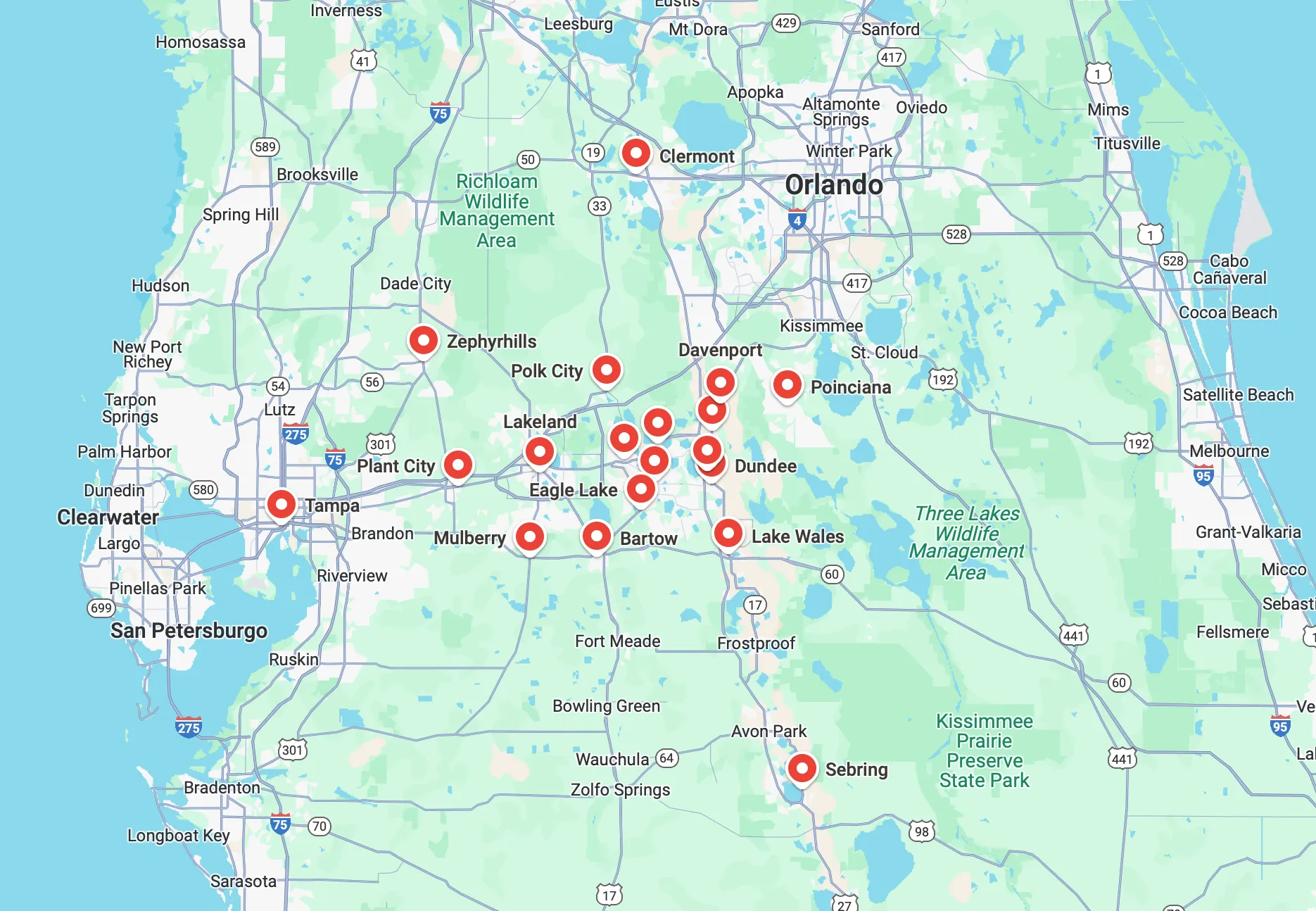
Service Areas