Heating Repair in Lake Hamilton, FL
Heating Heating Repair in Lake Hamilton, FL
When your home heating system struggles, you need focused, practical solutions that restore comfort quickly and reliably. Heating Heating Repair in Lake Hamilton, FL covers diagnostics and repairs for furnaces, heat pumps, and boilers commonly found in local homes. Lake Hamilton’s mild, humid climate means heating systems see less frequent use but can be prone to problems when they sit idle or when humidity accelerates wear.
Why heating repair matters in Lake Hamilton homes
- Lake Hamilton’s subtropical climate leads many homeowners to rely on heat pumps rather than gas furnaces. Heat pumps run year-round for cooling and heating, which creates unique wear patterns.
- Long idle periods during the warm season can let dust and moisture build up, causing ignition issues, stuck valves, or electrical failures when the unit is needed in cooler months.
- High humidity contributes to corrosion of external coils, blocked condensate drains, and mold in ducts and drip pans - all of which reduce efficiency and indoor air quality.
Common heating systems and typical failures
Below are the main system types and the failures you are likely to encounter in this region.
Heat pumps (most common in Lake Hamilton)
- Common problems: reduced heating capacity, short cycling, frozen outdoor coil, refrigerant leaks, noisy compressor, failed reversing valve, faulty defrost control, capacitor or fan motor failures.
- Typical solutions: refrigerant leak detection and repair, capacitor or motor replacement, defrost control repair, cleaning outdoor coil and airflow areas, replacing failing compressors when necessary.
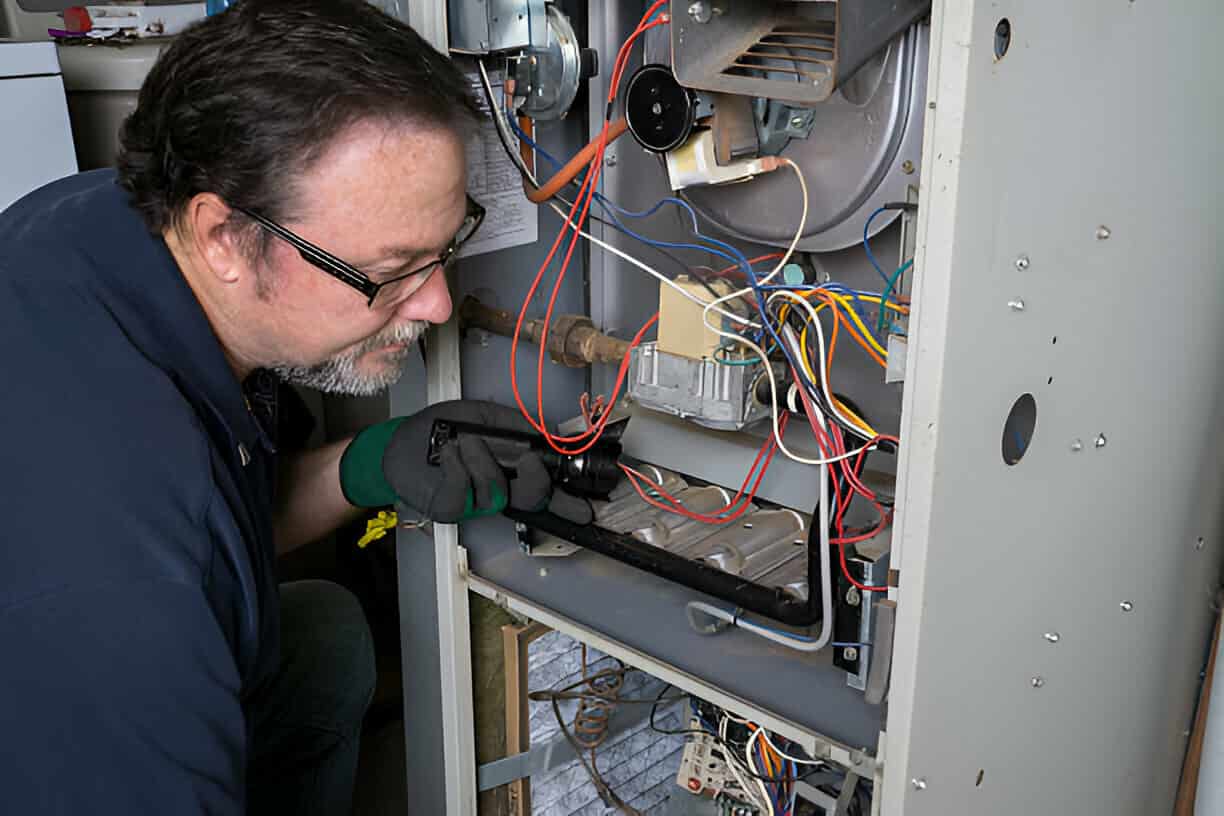
Furnaces (less common but present)
- Common problems: ignition or pilot failure, clogged air filter and airflow restriction, malfunctioning blower motor, limit switch faults, thermostat communication issues.
- Typical solutions: ignition system clean and adjustment, airflow restoration by replacing filters and clearing vents, blower motor or control board repairs, thermostat calibration or replacement.
Boilers (hydronic systems)
- Common problems: circulating pump failure, low system pressure, leaks in piping or valves, faulty pressure relief valve, sediment buildup, thermostat or zone valve failures.
- Typical solutions: pump replacement or rebuild, leak location and repair, system flushing to remove sediment, pressure tank adjustment or replacement, zone control repair.
Ductwork and accessory issues (affect all systems)
- Common problems: leakage, poor insulation, mold or biofilm growth, blocked returns, failing condensate drains.
- Typical solutions: duct sealing and insulation, cleaning and sanitizing return plenums and drip pans, condensate line clearing, balancing airflow.
Diagnostic approach - what a thorough repair visit includes
- Pre-visit triage: basic troubleshooting questions to narrow likely causes and bring the right parts and tools.
- Visual inspection: check vents, outdoor unit, flues (if present), filter condition, and visible leaks or corrosion.
- Safety and basic checks: electrical disconnect, gas supply (if applicable), combustion safety for furnaces/boilers, and thermostat verification.
- Functional tests: measure temperature rise or heat output, verify airflow and static pressure, test refrigerant pressures for heat pumps, and check circulation and pressure for boilers.
- Component testing: evaluate capacitors, motors, relays, control boards, and sensors to identify failing parts.
- Clear findings and options: explain which components are failing, why they failed, the likely root cause, and the expected steps to repair or further diagnose.
Expected repair timelines (typical)
- Initial diagnostic visit: 30 to 90 minutes. This covers inspection, safety checks, and basic testing.
- Minor repairs: 1 to 3 hours. Examples include replacing capacitors, thermostats, filters, or clearing condensate lines.
- Moderate repairs: half-day to full day. Examples include replacing blower motors, reversing valves, or circulator pumps.
- Major repairs or component replacements with special-order parts: 1 to several days depending on parts availability.
- Commissioning and testing: after repairs, technicians typically run the system through cycles for 30 to 60 minutes to verify safe, efficient operation.
Parts availability in Lake Hamilton
- Heat pump and common component parts are generally available quickly because these systems are common in central Florida. Rare or legacy parts may require ordering, which can extend timelines.
Emergency procedures and homeowner safety
- If you smell gas: leave the home immediately and follow local emergency instructions; do not operate electrical switches or appliances.
- If you detect unusual burning smells, smoke, or visible fire: evacuate and contact emergency services.
- For safety before a repair visit: turn off the system at the thermostat and the breaker if you notice sparking or loud mechanical noises. If only loss of heat or mild performance issues, avoid DIY fixes that risk electrical or refrigerant hazards.
- What to expect from an emergency repair callout: priority assessment on arrival, immediate safety mitigation (shutoffs, securing leaking components), temporary fixes if needed to restore safe heat, and a clear plan and timeline for permanent repair.
When to repair versus consider replacement
Repair is the appropriate option when:
- The issue is isolated and components are otherwise healthy (e.g., single motor or capacitor failure).
- The system is relatively young and has reasonable remaining useful life (typical useful lives: heat pumps 10 to 15 years, furnaces 15 to 20 years, boilers 15 to 30 years depending on model and maintenance).
- The repair restores reliable, efficient operation and extends safe service life without repeating failures.
Consider replacement when:
- The system has repeated failures, poor efficiency, or requires frequent major component replacements.
- The homeowner wants modern efficiency improvements, better humidity control, quieter operation, or updated controls.
- Corrosion, major refrigerant system damage, or extensive heat exchanger/boiler deterioration compromises long-term safety and reliability.
Maintenance guidance to reduce future repairs
- Replace filters regularly; in humid climates, more frequent changes prevent airflow restriction and microbial growth.
- Schedule annual or biannual tune-ups for heat pumps and boilers before seasonal use peaks. Preventative maintenance lengthens life and reduces emergency repairs.
- Keep outdoor units clear of debris and vegetation; ensure adequate airflow to outdoor coils.
- Monitor condensate lines and drain pans for clogs and standing water to prevent corrosion and mold.
- Consider smart thermostats and zoning where appropriate to reduce system run time and balance comfort with efficiency.
Timely repairs and preventative care help Lake Hamilton homeowners keep indoor environments comfortable and safe while avoiding costly emergency breakdowns. Proper diagnostics, system-specific knowledge, and attention to local climate impacts are key to lasting heating performance in central Florida homes.

Customer Testimonials

Service Areas