AC Replacement in Auburndale, FL
While repairing your aging AC unit can offer a temporary fix, for many Auburndale homeowners, a full replacement is the wisest long-term investment. Our local combination of intense heat, suffocating humidity, and salty, corrosive air relentlessly punishes older systems, leading to frequent breakdowns and soaring energy bills. This guide details the critical signs that indicate replacement is your best path forward—from obsolete refrigerant types that are phased out by regulation to chronic failures that repairs can no longer cost-effectively fix. We will walk you through our seamless, end-to-end replacement process, from the initial home evaluation and system selection to expert installation, proper disposal of your old unit, and a comprehensive post-installation briefing. You can expect a clear timeline, robust warranties on both parts and labor, and a focus on restoring your home's comfort with minimal disruption. The benefits are substantial: experience significantly lower utility costs, dramatically improved humidity control, enhanced home value, and lasting peace of mind. Finally, we will provide you with essential maintenance tips tailored to Florida's harsh climate to protect your investment and ensure peak performance for years to come.
.webp)
AC Replacement in Auburndale, FL
Replacing an aging or failing air conditioning system is one of the most important home investments in Auburndale, FL. With long, humid summers, frequent high temperatures, and occasional severe weather, a properly sized, energy-efficient AC keeps your home comfortable, controls indoor humidity, and reduces the risk of mid-summer breakdowns. This page explains the full AC replacement process, common local issues, equipment choices, and what you can expect regarding timelines, warranties, disposal, and long-term benefits.
Why replace your AC in Auburndale, FL
- Extended cooling season and high humidity place heavy demands on older systems, raising energy bills and increasing failure risk.
- Refrigerant regulations and the scarcity of R-22 parts make repairs to older units increasingly costly or impractical.
- Modern high-efficiency systems deliver better humidity control and lower operating costs, which matters in Florida’s climate.
- Severe weather and salt-laden air in parts of Central Florida can accelerate corrosion of outdoor units, shortening useful life.
If your system is more than 10–15 years old, requires frequent repairs, or can’t maintain comfortable humidity and temperatures, full system replacement is often the most cost-effective long-term solution.
Common AC replacement issues in Auburndale, FL
- Frequent compressor or capacitor failures from heavy summer cycling
- Corroded condensers and refrigerant lines due to humidity and local environment
- Undersized or oversized equipment causing short cycling, poor dehumidification, and uneven cooling
- Deteriorating ductwork, leaks, or poorly sealed penetrations reducing efficiency
- Systems still using R-22 refrigerant with limited service options
- Inadequate airflow from dirty coils, blocked vents, or aging blower motors
Understanding these local patterns helps guide equipment selection and any necessary duct or electrical upgrades during replacement.
The replacement process: evaluation to install
1. Initial evaluation
- Inspect the existing system, ductwork, thermostat, and electrical service.
- Assess indoor comfort complaints and historical energy use.
- Check for signs of corrosion, leaks, or component wear.
2. Load calculation and right-sizing
- Perform a Manual J load calculation tailored to your Auburndale home (square footage, insulation, window orientation, occupancy, local climate).
- Right-sizing avoids the problems of over- and under-sized units: short cycling, poor humidity control, excessive runtime, and higher energy costs.
3. Equipment comparisons and selection
- Compare SEER ratings, seasonal performance, compressor types (single-stage, two-stage, variable-speed), and blower motors (PSC vs ECM).
- Discuss models that offer improved humidity control, quieter operation, and corrosion-resistant coatings for outdoor coils.
- Evaluate compatibility with smart thermostats and zoning if needed.
4. Financing and rebate review
- Review available financing options from manufacturers or lenders and potential rebates from utilities, state energy programs, or federal incentives for high-efficiency equipment.
- Energy-efficient upgrades often qualify for rebates or tax incentives; verify eligibility for your specific project.
5. Permits and scheduling
- Pull necessary permits and schedule inspections in accordance with Polk County and Auburndale building codes.
- Order equipment; lead times vary by model and season.
6. Removal and disposal
- Recover and recycle refrigerant in compliance with EPA regulations.
- Remove the old condenser, evaporator coil, and associated components; recycle metals and dispose of waste responsibly.
- Inspect or replace associated components such as the air handler, drain lines, and disconnects as needed.
7. Installation and commissioning
- Install new outdoor unit, indoor coil or air handler, refrigerant lines, electrical connections, and thermostat.
- Evacuate and charge the refrigerant circuit to manufacturer specifications, measure airflow and static pressure, and test system performance.
- Provide final paperwork including manufacturer warranty registration and operational guidance.
Installation timelines you can expect
- Evaluation and quote: 1 to 3 days
- Permitting and equipment ordering: days to a few weeks depending on permit backlog and model availability
- Installation: typically 1 to 2 days for a straight swap; 2 to 4 days for jobs requiring duct modifications, electrical service upgrades, or equipment that needs special foundations
- Final inspection: scheduled per local authority timing
Timelines can vary by season; summer demand often extends lead times.
Warranties and documentation
- Manufacturer warranties commonly cover compressors and major components for defined periods (for example, 5 to 10 years for parts; compressor warranties may extend longer depending on registration).
- Labor warranties vary by installer and may cover workmanship for a set period after installation.
- Proper warranty coverage often requires prompt registration and adherence to recommended maintenance schedules, including annual tune-ups.
Keep all installation documents, equipment model and serial numbers, and warranty registrations in a secure place.
Energy, comfort, and long-term benefits
- Lower energy bills: modern systems with higher SEER and variable-speed technology can significantly reduce cooling costs in a hot, humid climate.
- Better humidity control: correctly sized, variable-capacity systems run longer at lower capacity to remove moisture more effectively, improving comfort in Auburndale homes.
- More consistent temperatures: improved airflow and matched indoor/outdoor components reduce hot and cold spots.
- Quieter operation and improved indoor air quality when combined with upgraded filtration and properly sealed ductwork.
- Increased home value and buyer appeal due to documented newer HVAC equipment and warranties.
Practical maintenance tips after replacement
- Schedule annual professional tune-ups to preserve efficiency and warranty eligibility.
- Replace filters regularly and monitor condensate drains for blockages.
- Keep outdoor unit clear of vegetation and debris and maintain clearance for airflow.
- Consider routine duct inspections and sealing to maximize performance.
- Use programmable or smart thermostats to optimize runtime during Auburndale’s peak cooling months.

Customer Testimonials

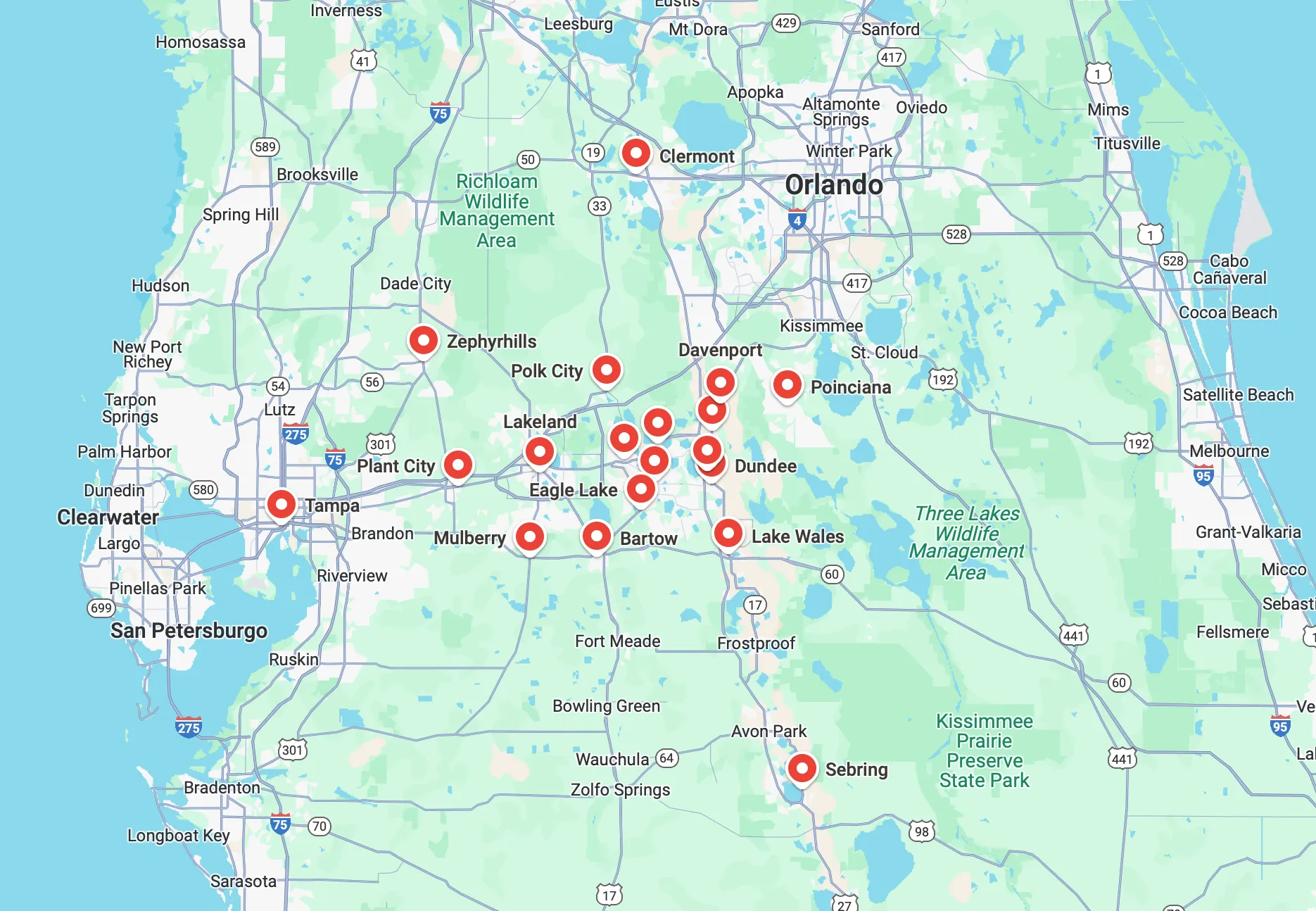
Service Areas