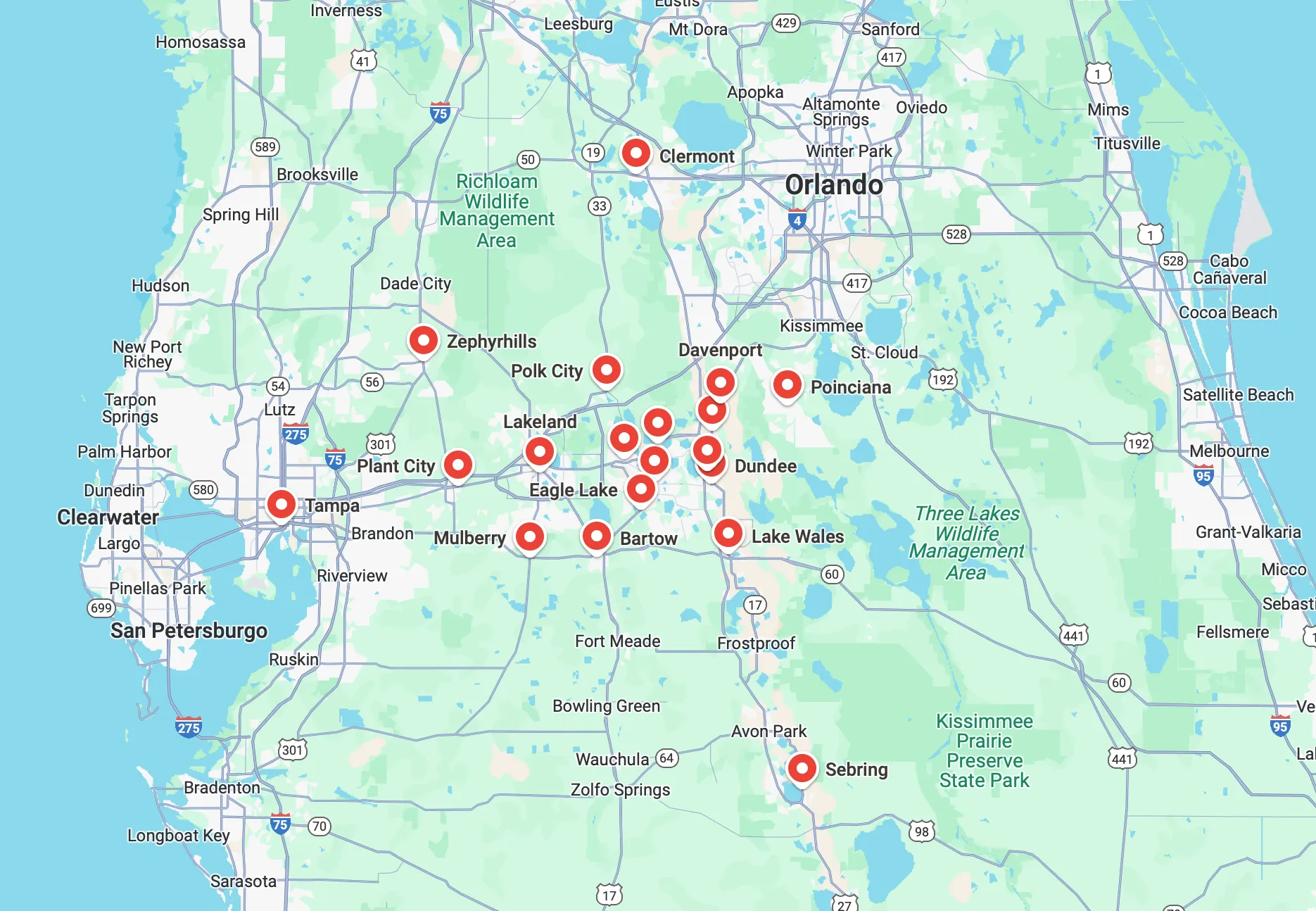
Furnace Maintenance in Auburndale, FL
Heating Furnace Maintenance in Auburndale, FL
Home heating may feel occasional in Auburndale, FL, but when temperatures drop your furnace needs to perform reliably. Regular Heating Furnace Maintenance in Auburndale, FL keeps your system running safely and efficiently during cooler months, reduces surprise breakdowns, and extends equipment life.
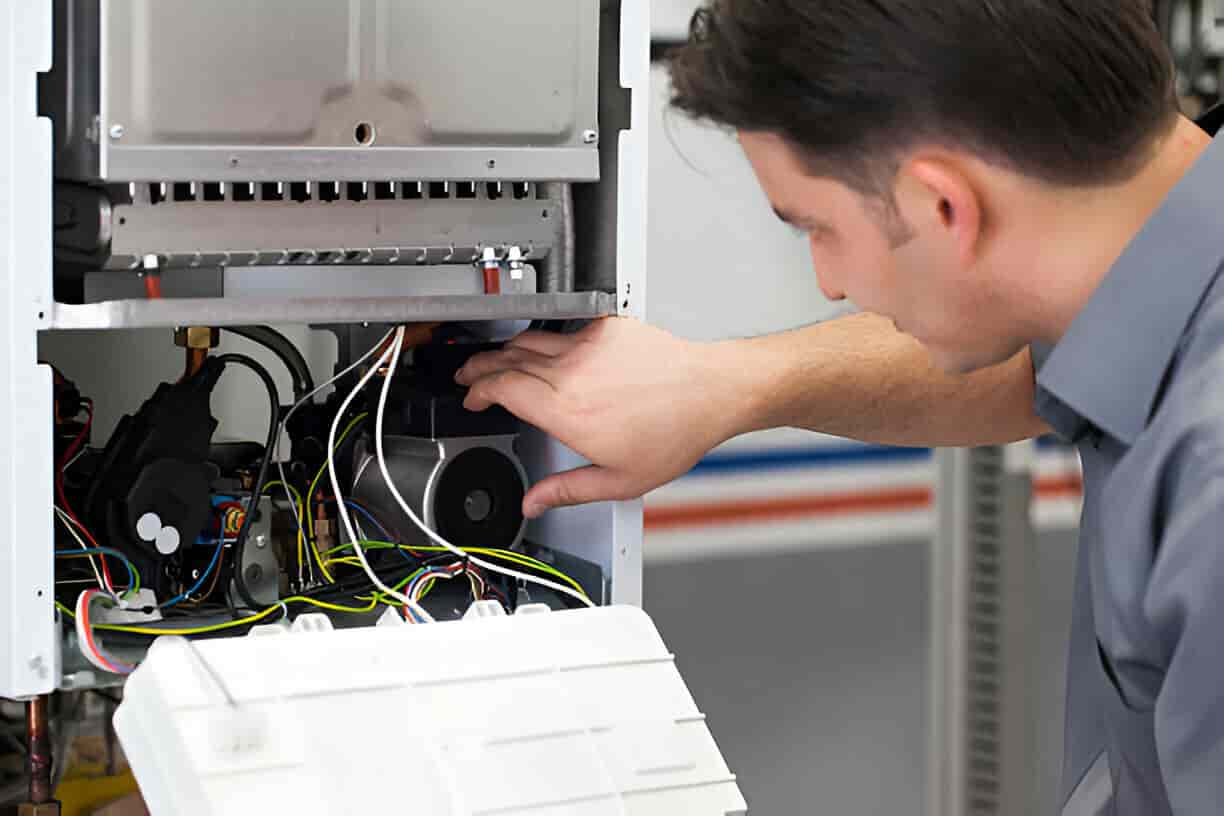
Why seasonal furnace maintenance matters in Auburndale
Even though Central Florida winters are milder than northern climates, furnaces still undergo stress during operation. Humidity, pollen and airborne debris from local landscaping, and intermittent use can all affect performance. Common local factors include:
- High humidity that promotes corrosion and can shorten component life
- Pollen and dust load that clogs filters and reduces airflow
- Occasional cold snaps that increase runtime and expose worn components
- Storm-related power interruptions that can stress controls and motors
A pre-season inspection and tune-up prevents small problems from becoming emergency repairs, improves comfort during cool spells, and helps maintain energy efficiency.
Common furnace issues in Auburndale homes
- Dirty or clogged filters reducing airflow and efficiency
- Weak or noisy blower motors due to worn bearings or buildup
- Dirty burners or incomplete combustion causing poor heat output
- Thermostat miscalibration leading to temperature swings
- Faulty ignition or pilot components causing intermittent operation
- Carbon monoxide risk from blocked flues or leaking heat exchangers (gas furnaces)
- Short-cycling from restricted airflow, oversized equipment, or control issues
Identifying these issues during routine maintenance reduces risk and keeps your home safe and comfortable.
What routine furnace maintenance includes
A thorough seasonal furnace inspection is both diagnostic and preventative. Key elements of a professional maintenance visit typically include:
- Visual inspection of the furnace cabinet, vents, and flue for corrosion, obstructions, and damage
- Filter check and replacement (or recommendation) - frequency depends on filter type and home conditions; many homes require filter changes every 1 to 3 months
- Cleaning of burners, flame sensors, and ignition components to ensure reliable starting and efficient combustion
- Blower wheel and motor cleaning, lubrication where applicable, and belt inspection to restore proper airflow and quiet operation
- Combustion and venting check for gas furnaces, including flame pattern inspection and flue draft assessment
- Carbon monoxide (CO) and safety control checks to verify there are no dangerous leaks and that safety shutoffs work correctly
- Airflow and temperature rise measurements to confirm the system is balanced and not overheating or short-cycling
- Thermostat calibration and controls testing to ensure accurate temperature control and proper communication with the furnace
- Electrical connection tightening and capacitor checks to prevent motor failures and intermittent operation
- Efficiency tuning such as adjusting gas pressure (where applicable) or optimizing blower speed for improved comfort and lower energy use
- Documentation of findings and prioritized recommendations for repairs or replacements
Diagnostic process: how technicians find hidden issues
Effective maintenance begins with a methodical diagnostic approach. Technicians start with system history and homeowner concerns, then perform hands-on checks:
- System startup to observe operation, sounds, and ignition behavior
- Visual and mechanical inspection to detect wear, leaks, or corrosion
- Instrumented testing - measuring voltages, airflow, temperature rise, and combustion where needed
- Safety verification including CO monitoring and control function tests
- Performance tuning to optimize combustion and airflow. This combination of observation and measurement uncovers problems that are not obvious to the homeowner.
Safety and carbon monoxide checks
Safety is a primary reason to schedule annual furnace maintenance, especially for gas or propane systems. Common safety steps include:
- Inspecting the heat exchanger for cracks or corrosion that could allow combustion gases into the home
- Verifying proper draft and clear flue paths to prevent back-drafting
- Testing safety controls and limit switches to ensure the system shuts down if unsafe conditions occur
- Performing a carbon monoxide check at the furnace and in the living space to detect leaks early
These checks are critical in preventing hazardous conditions and ensuring safe operation during use.
Maintenance plans and agreements for consistent care
A maintenance plan can simplify upkeep and give homeowners predictable scheduling. Typical features of furnace maintenance plans include:
- Annual or biannual scheduled inspections timed before peak heating season
- Priority scheduling for service visits during busy periods
- Reminder notifications for filter changes and inspections
- Detailed service reports after each visit outlining findings and suggested repairs
- Discounted diagnostic or repair labor and parts (when offered by providers)
For Auburndale residents, a maintenance plan helps address seasonal needs—such as pre-winter inspections after hurricane season or late-summer tune-ups when pollen and dust levels are high.
How regular maintenance extends equipment life and reduces breakdowns
Consistent maintenance reduces friction, corrosion, and wear. Practical benefits include:
- Fewer emergency repairs by catching worn parts early
- Extended furnace lifespan by preventing premature failure of motors, heat exchangers, and controls
- Improved energy efficiency and lower monthly heating costs during cool periods
- More consistent comfort with predictable temperature control
- Greater resale value for homes with documented maintenance history
Small investments in routine care typically save money and inconvenience over the long term.
Quick maintenance tips homeowners can use between professional visits
- Replace or clean filters every 1 to 3 months depending on use, pets, and local pollen
- Keep return vents and registers clear of furniture and clutter to maintain airflow
- Inspect the furnace area for dust buildup, water stains, or unusual odors
- Note unusual sounds, cycling patterns, or odors and schedule an inspection if they appear
- Ensure the outdoor unit (if part of a packaged system or heat pump) is free of debris and vegetation

Customer Testimonials

Service Areas