Furnace Repair in Auburndale, FL
Heating Furnace Repair in Auburndale, FL
When your heating furnace fails in Auburndale, FL, it can feel urgent even if winters are mild. Cold snaps, overnight temperature drops, and homes with infants or older adults make reliable heating essential. Heating Furnace Repair in Auburndale, FL focuses on getting systems back to safe, efficient operation quickly while addressing common local factors like high humidity, inland corrosion risk, and the widespread use of combined HVAC systems.
.jpeg)
Why prompt furnace repair matters in Auburndale homes
- Safety: Faulty ignition systems or cracked heat exchangers can produce carbon monoxide or create fire hazards. Diagnosing these risks early protects occupants.
- Comfort: Even brief outages cause discomfort during rare cold nights and can create pressure on other systems (like electric heaters).
- Efficiency: A poorly operating furnace wastes energy and increases utility bills. Repairs restore efficiency and reduce wear on other components.
- Longevity: Fixing small problems early prevents more extensive failures and costly replacements later.
Common heating furnace repair issues in Auburndale, FL
Homes in Auburndale commonly experience these failure modes. Each description includes typical causes and symptoms to help you identify the problem.
- Ignition system failures
- Causes: Faulty electronic igniters, dirty burners, or control board faults.
- Symptoms: Furnace tries to start but fails, repeated clicking, or a delayed ignition that causes brief flames or noises.
- Pilot light problems (on older gas furnaces)
- Causes: Thermocouple wear, drafty or blocked pilot assembly, or gas valve issues.
- Symptoms: Pilot won’t stay lit, furnace shuts off unexpectedly.
- Blower motor and fan issues
- Causes: Worn bearings, dust buildup, capacitor failure, or motor burnout.
- Symptoms: Weak airflow, strange noises from the blower cabinet, or intermittent operation.
- Heat exchanger damage
- Causes: Age-related cracking, thermal stress, or corrosion accelerated by humid conditions.
- Symptoms: Reduced heat transfer, unusual smells, and in severe cases safety shutoffs. Cracked exchangers require immediate attention for safety reasons.
- Control board and thermostat faults
- Causes: Power surges, wiring issues, or failed control relays.
- Symptoms: Furnace will not respond to the thermostat, cycles improperly, or displays error codes.
- Fuel supply issues
- Causes: Gas valve problems, blocked lines, or low propane/LP supply on tank-fed systems.
- Symptoms: No ignition despite power and correct thermostat settings, or strong gas odors (which is a safety emergency).
Furnace diagnostic process - what to expect
A clear, step-by-step diagnostic approach ensures accurate repairs and fair estimates:
1. Initial assessment (30–60 minutes)
- Visual inspection of the furnace cabinet, flame pattern, filters, vents, and thermostat settings.
- Check for obvious safety concerns like gas odor or soot.
2. System startup and control checks (15–30 minutes)
- Observe ignition sequence, blower operation, and control board status.
- Use diagnostic LEDs or codes where present.
3. Component testing (30–90 minutes)
- Test igniters, thermocouples, capacitors, blower motors, and limit switches.
- Measure voltages and airflow when necessary.
4. Leak and safety inspections (15–30 minutes)
- Inspect heat exchanger for signs of cracking or corrosion and check for carbon monoxide risk.
5. Written diagnostics and repair plan
- Provide a clear summary of issues, recommended repairs, and estimated timelines for parts and labor.
Total diagnostic time commonly ranges from 1 to 3 hours depending on system complexity and safety checks required.
Repairs, parts and labor details
- Typical repair timelines
- Minor repairs (filters, minor wiring, thermostat replacement): 1–2 hours.
- Component replacements (igniter, thermocouple, capacitor, relay): 2–4 hours.
- Blower motor replacement: 3–6 hours depending on access.
- Heat exchanger replacement or full furnace replacement: 6+ hours; may require ordering parts or coordinating with ductwork modifications.
- Parts quality and warranties
- OEM or high-quality aftermarket parts extend system life and preserve efficiency. Ask about parts warranties and labor guarantees.
- Labor expectations
- Certified HVAC technicians follow safety protocols: shutting off fuel/electricity, pressure testing (if needed), and verifying combustion and ventilation performance after repair.
- Emergency and after-hours options
- Many technicians offer emergency or after-hours response for safety-critical problems like suspected gas leaks, no heat during cold snaps, or carbon monoxide risk. Emergency calls may require priority scheduling to address immediate hazards.
Troubleshooting tips you can safely try at home
These steps help determine whether a simple fix is possible before professional service:
- Check the thermostat
- Ensure it is set to heat, the temperature is above room temperature, and batteries (if any) are fresh.
- Inspect the air filter
- A clogged filter reduces airflow and can cause overheating and short cycling. Replace disposable filters or clean reusable ones.
- Verify power and switches
- Check the furnace switch and circuit breaker. Reset if tripped and observe whether the system restarts normally.
- Look for obvious signs
- Strange smells (especially gas), soot, visible rust, or water leaks around the furnace need professional attention.
- Pilot light or ignition
- For older pilot-light systems, confirm the pilot is lit. For modern furnaces, avoid attempting ignition fixes; those are best left to trained technicians.
Warning: If you smell gas or suspect a carbon monoxide issue, evacuate immediately and contact emergency services. Do not attempt repairs.
Seasonal considerations and maintenance for Auburndale homes
- Timing: Schedule your furnace inspection before the cooler months—early fall or late autumn—to catch issues before demand rises during rare cold spells.
- Humidity: High humidity common in central Florida can accelerate corrosion on metal parts and contribute to moisture in the combustion chamber. Ensure proper ventilation and regular inspections.
- Combined systems: Many local homes use heat pumps or combined HVAC systems. Technicians will confirm whether the heating issue is furnace-specific or related to an integrated system component.
- Regular maintenance
- Annual inspections, cleaning burners and heat exchangers, checking safety controls, and replacing filters extend lifespan and keep systems running efficiently.
Financing and estimates
Repair options range from quick part swaps to extensive component replacements. Many repair providers offer written estimates after diagnosis and have flexible payment and financing options through third-party programs for larger repairs or replacement work. Estimates typically itemize parts, labor, and any necessary permits or safety checks so homeowners can make informed decisions.

Customer Testimonials

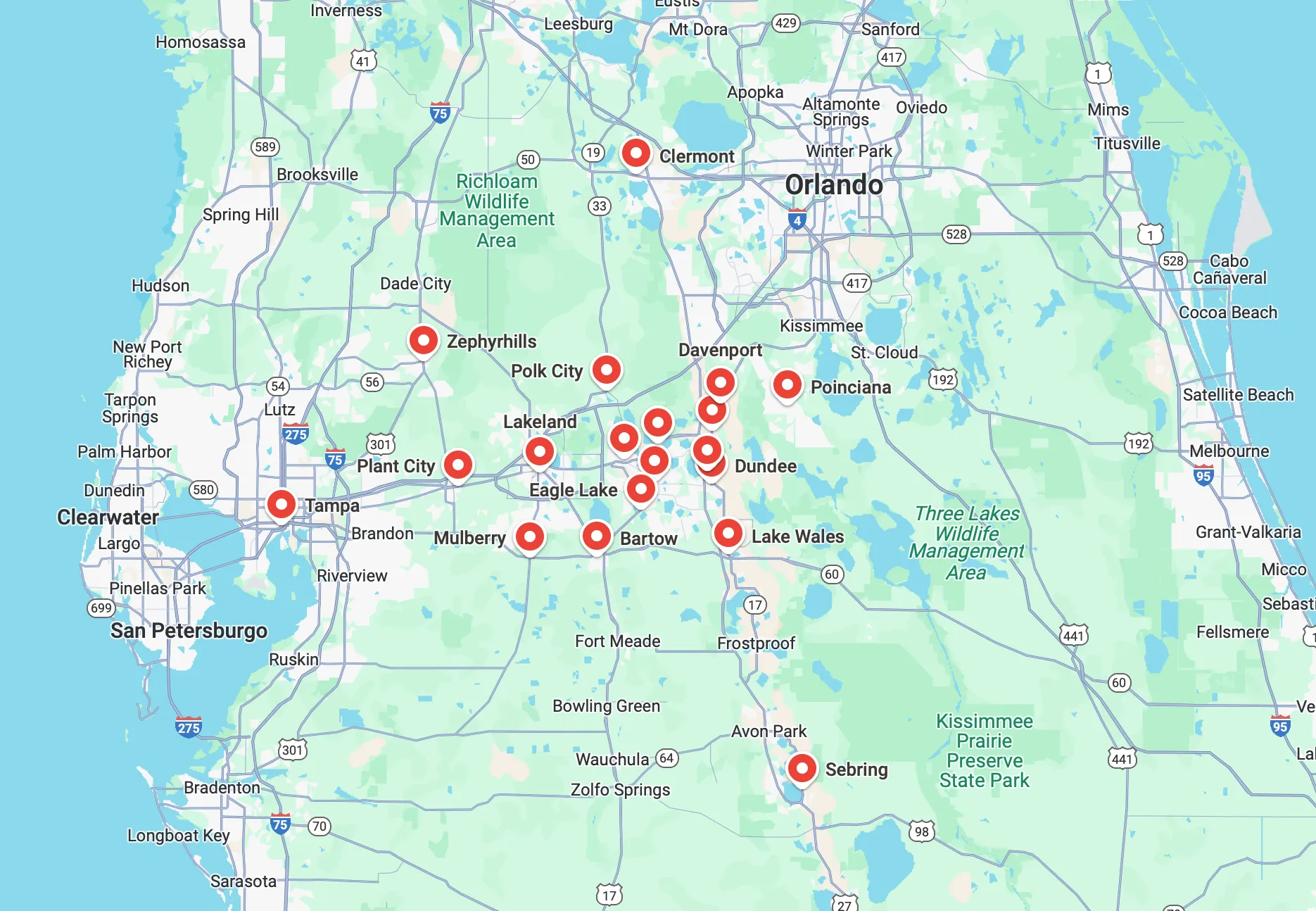
Service Areas