Commercial Services in Auburndale, FL
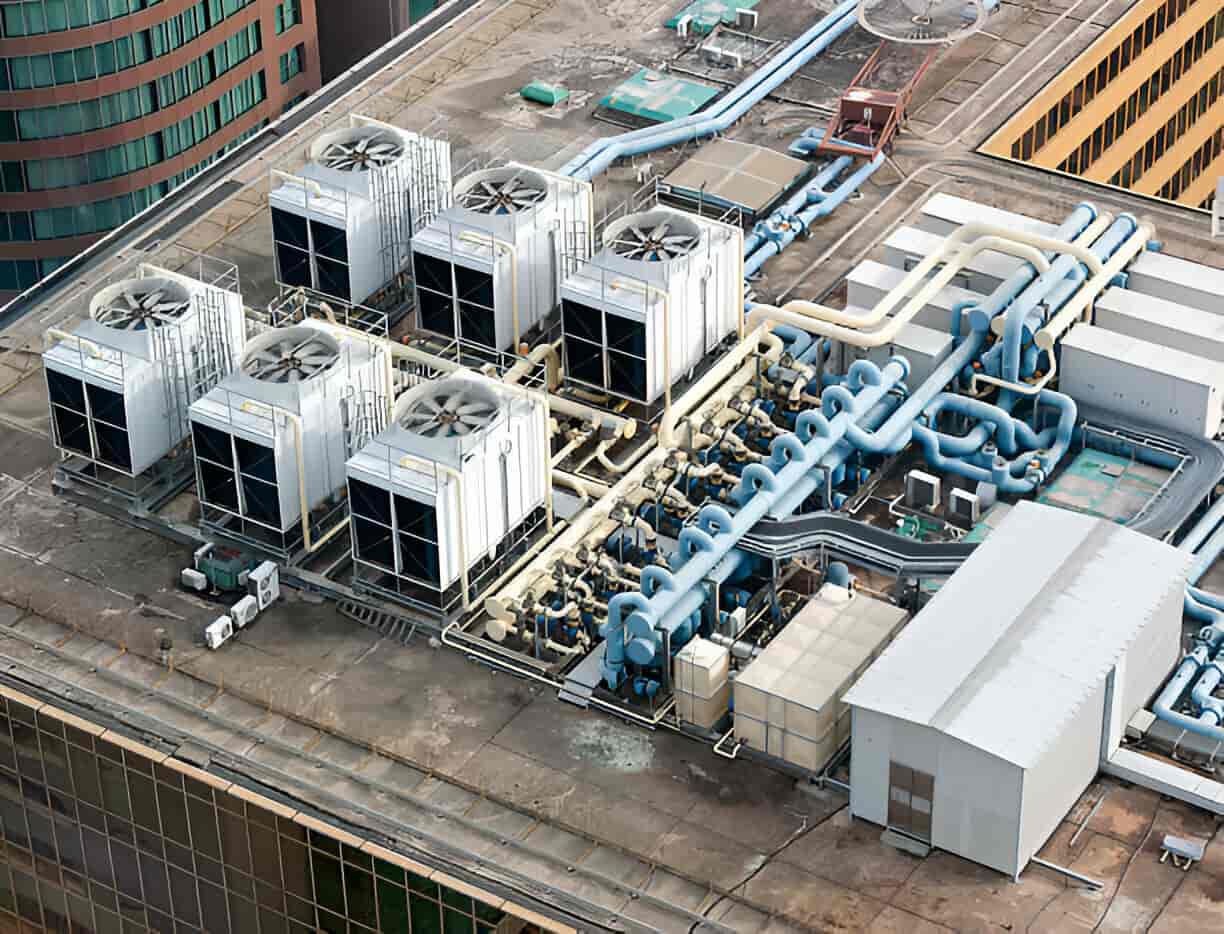
Commercial HVAC in Auburndale, FL matters more than ever. With Central Florida’s hot, humid summers, frequent heavy rain and seasonal storms, businesses face continuous cooling demand and strict local code requirements. Reliable rooftop units and packaged systems, timely repairs, and preventative maintenance are essential to protect comfort, indoor air quality, inventory, and business continuity. We explain the commercial HVAC solutions available in Auburndale, common problems local businesses encounter, the service and design process, and what to expect from maintenance and compliance support.
Commercial Services in Auburndale, FL
Commercial HVAC in Auburndale, FL matters more than ever. With Central Florida’s hot, humid summers, frequent heavy rain and seasonal storms, businesses face continuous cooling demand and strict local code requirements. Reliable rooftop units and packaged systems, timely repairs, and preventative maintenance are essential to protect comfort, indoor air quality, inventory, and business continuity. This page explains the commercial HVAC solutions available in Auburndale, common problems local businesses encounter, the service and design process, and what to expect from maintenance and compliance support.
Common commercial HVAC services for Auburndale businesses
- Rooftop unit (RTU) and packaged system installation: Full replacement or new installations for retail centers, offices, warehouses, restaurants, and multi-tenant buildings.
- Preventative maintenance contracts: Scheduled inspections and tune-ups designed for commercial schedules and occupancy patterns.
- Rapid-response repair services: Priority dispatch and same-day troubleshooting for systems impacting operations.
- Commercial system design: Load analysis, ventilation plans, duct design, and building controls integration for new construction or renovations.
- Compliance and permitting support: Documentation, permit submittals, and code compliance checks for Polk County and Florida Building Code requirements.
- Local case summaries: Project examples for nearby commercial clients across different building types (anonymized).
Why Auburndale’s climate and local codes change the approach
Auburndale’s high humidity and long cooling season mean HVAC systems run more hours than in temperate climates. That increases wear on compressors, fans, and controls, and raises the need for correctly sized equipment and moisture control strategies. Additionally, Florida’s building and wind-load requirements affect rooftop installations (secure curb mounts, wind restraints, and flashing). Energy code requirements also influence equipment selection and economizer strategies for commercial buildings.
Diagnosing common commercial HVAC problems
Commercial systems fail or underperform for predictable reasons. The most common issues seen in Auburndale businesses are:
- Poor cooling or uneven temperatures caused by undersized systems, duct leaks, or failing compressors.
- High humidity and condensation issues from inadequate ventilation, faulty controls, or poorly maintained coils.
- Repeated short cycles and frequent tripping traced to electrical faults, control board failures, or refrigerant problems.
- Rooftop unit damage and roof penetration leaks from poor curb flashing or lack of tie-downs during storms.
- Control and automation failures in aging building management systems (BAS) that reduce efficiency and occupant comfort.
Troubleshooting begins with a site walk, system documentation review, basic measurements (airflow, temperatures, static pressure), and targeted diagnostics such as refrigerant testing, electrical inspection, and controls checks. For rooftop equipment, technicians also inspect curb integrity, roof flashing, and wind restraint systems.
Installation and design: what decision-makers should expect
For replacement or new-build projects, the process focuses on accurate sizing, durability in a humid, storm-prone climate, and energy efficiency:
- Load and ventilation analysis: Commercial loads and ventilation requirements are calculated to ensure correct capacity and IAQ (indoor air quality).
- Equipment selection: Options include packaged rooftop units with economizers, high-efficiency packaged heat pump or split systems, and rooftop units with staged compressors for better control.
- Controls and integration: Integration with digital thermostats or BAS for scheduling, fault detection, and energy reporting.
- Roof interface and structural checks: Confirm curb sizing, roof load capacity, and wind-attachment systems to meet Florida Building Code expectations.
- Permitting and documentation: Prepare permit sets, equipment specs, and compliance paperwork for local authorities.
Designs emphasize longevity and operational cost control—correctly sized, well-sealed ductwork, appropriate condensing units with adequate clearances, and controls that reduce runtime during off-hours.
Preventative maintenance contracts: what they should include
A well-structured commercial maintenance contract reduces downtime and extends useful life:
- Scheduled inspections (typically quarterly or biannual for rooftop units)
- Filter replacement and coil cleaning
- Lubrication, belts, and motor checks
- Refrigerant pressure checks and leak detection
- Electrical connection tightening and control calibration
- Seasonal performance testing and efficiency reporting
- Priority response and emergency service windows
- Detailed service records for warranty and compliance documentation
For Auburndale businesses, seasonal pre-summer inspections and post-storm assessments are particularly important.
Rapid-response repair and reliability strategies
Fast repairs and minimizing operational impact require:
- Technicians trained on common commercial rooftops and packaged systems
- Diagnostic tools such as refrigerant leak detectors, thermal imaging, and accurate airflow measurement equipment
- Stocked parts and planned spare components for common failures
- Clear service level expectations including typical response windows for business-critical systems
A combination of proactive maintenance and a reliable repair plan keeps downtime to a minimum.
Compliance, permitting, and documentation
Commercial HVAC work must meet local and state codes. Support typically covers:
- Preparing permit applications for Polk County and ensuring compliance with the Florida Building Code
- Submitting equipment specifications and energy compliance documentation
- Ensuring rooftop attachments meet wind-load and hurricane restraint requirements
- Providing inspection-ready paperwork and as-built system documentation for future audits
Proper documentation simplifies inspections and helps maintain occupancy approvals.
Local project examples (anonymized)
- Replaced oversized rooftop units at a strip center with right-sized, higher-efficiency packaged systems and new economizer controls to improve tenant comfort and reduce operational noise.
- Installed dedicated packaged units for a small warehouse, adding night setback controls and improving runtime scheduling for lower energy bills during off-hours.
- Designed and permitted a multi-tenant office HVAC upgrade, coordinating roof curb modifications and providing complete permit submittal packages to local inspectors.
Long-term benefits for Auburndale businesses
Investing in commercial HVAC design, quality installation, and structured maintenance delivers:
- More consistent occupant comfort and better indoor air quality
- Lower energy and repair costs over a system’s lifetime
- Reduced risk of unexpected downtime during peak cooling season
- Compliance with local codes and smoother permit inspections
- Improved equipment longevity and predictable budgeting through preventative care
Frequently Asked Questions
Q: How often should commercial rooftop units be serviced in Auburndale?
A: Quarterly or biannual service is typical for rooftop units, with pre-summer inspections and post-storm checks recommended due to high seasonal cooling demand and potential storm damage.
Q: Will a new rooftop packaged unit reduce energy costs immediately?
A: A properly sized, high-efficiency packaged unit combined with modern controls and well-sealed ductwork typically reduces energy use compared to older equipment; savings depend on system condition, controls, and building usage patterns.
Q: What permits are required for commercial HVAC work in Auburndale?
A: Commercial HVAC work generally requires local building permits and compliance with the Florida Building Code; permit packages normally include equipment specs, load calculations, and roof attachment details for rooftop units.
Q: Can existing rooftop curbs be reused for replacement units?
A: Sometimes existing curbs can be reused if they are structurally sound and match the replacement unit’s footprint; otherwise, new curbs or modifications are recommended to ensure proper flashing and wind restraints.
Q: How quickly can rapid-response repairs be done for businesses?
A: Response time varies by service agreement and workload; commercial contracts commonly include priority dispatch with same-day or next-business-day response windows for critical systems.

Customer Testimonials

Service Areas