Heating Furnace Maintenance in Lake Hamilton, FL
Heating Furnace Maintenance in Lake Hamilton, FL
Keeping your heating furnace well maintained in Lake Hamilton, FL protects comfort, safety, and energy costs during the cooler months and across seasonal transitions. Even though central Florida winters are milder than northern climates, intermittent cold snaps, high humidity, and airborne pollen can still stress heating systems. Routine furnace maintenance tailored to local conditions prevents unexpected breakdowns, improves efficiency, and extends equipment life.
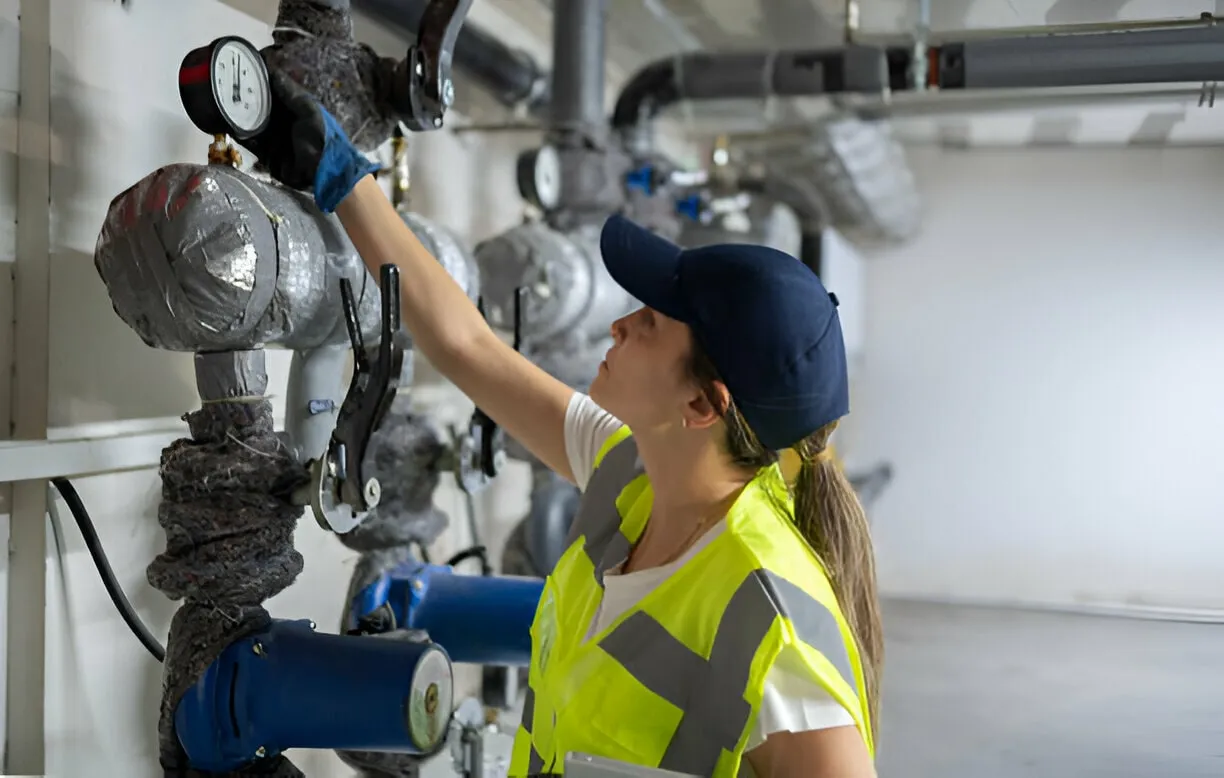
Why furnace maintenance matters in Lake Hamilton, FL
- Prevent unexpected failures during cold fronts when demand spikes.
- Reduce indoor air quality issues from humidity, pollen, and dust that build up in ductwork and filters.
- Ensure safe operation by inspecting gas lines, burners, and the heat exchanger for leaks or cracks that could release carbon monoxide.
- Maintain efficiency so your system uses less energy when it does run, important even with limited heating hours in Florida.
Common heating furnace issues in Lake Hamilton, FL homes
- Clogged or dirty filters from high pollen and indoor dust, causing reduced airflow and higher run times.
- Dirty burners and heat exchangers leading to poor combustion, uneven heating, and safety risks.
- Thermostat calibration and control errors after long idle periods or seasonal HVAC mode changes.
- Moisture-related corrosion in components in homes with elevated indoor humidity.
- Blower motor wear from dusty coils and extended cycling during transitional weather.
- Ignition and pilot failures on older gas furnaces after extended nonuse during warm months.
Typical maintenance services included
Routine furnace maintenance is a sequence of inspections, cleanings, adjustments, and safety checks. A thorough seasonal service commonly includes:
- Seasonal inspection and system diagnostic
- Visual check of furnace cabinet, burners, control wiring, vents, and ducts
- Operational test through a full heating cycle to observe performance
- Filter inspection and replacement
- Replace or clean filters according to manufacturer recommendations and local conditions (often every 1 to 3 months)
- Recommendations for filter type and MERV rating based on indoor air quality needs
- Burner and heat exchanger cleaning
- Remove debris and combustion residue from burners
- Clean or inspect heat exchanger for cracks, corrosion, or hotspots that can pose safety hazards
- Safety checks
- Test ignition system and flame sensor
- Check for gas leaks and proper gas pressure (for gas-fired units)
- Carbon monoxide sensor verification and venting integrity check
- Blower, motor, and airflow tuning
- Clean blower wheel and lubricate motor bearings if applicable
- Inspect and adjust blower belt tension or replace worn belts
- Measure airflow and make duct/vent adjustments to eliminate hot or cold spots
- Efficiency tuning
- Adjust fuel/air mixture and combustion settings for optimum efficiency
- Check electrical connections and controls to reduce parasitic losses
- System documentation and recommendations
- Record system status, observed issues, and suggested repairs or part replacements
- Provide a recommended maintenance schedule aligned with local climate factors
How inspections and diagnostics work
A routine inspection starts with a full walkthrough of the furnace and connected components. Technicians use visual inspection and basic diagnostic tools to assess combustion efficiency, electrical safety, and mechanical wear. In Lake Hamilton, inspectors pay special attention to:
- Signs of corrosion or moisture damage from high humidity
- Evidence of pest or rodent intrusion in ducts and vents
- Filter contamination from local pollen seasons
- Condensation lines and drainage on combination or packaged systems
If a deeper issue is found, diagnostic steps escalate to targeted testing—combustion gas analysis, motor amperage checks, or measuring duct leakage—so you understand the root cause and available solutions.
Common repairs and solutions explained
- Filter upgrades or more frequent changes: Switching to higher-efficiency disposable or washable filters reduces particulate load but may require more frequent monitoring to prevent airflow restriction.
- Heat exchanger repair or replacement: Cracked exchangers are a safety risk. Small cracks may be addressable in older, serviceable units, but replacement is often the safer long-term solution.
- Burner cleaning and adjustment: Restores proper combustion, reduces carbon buildup, and can improve startup reliability in older systems that sit idle much of the year.
- Blower motor servicing: Replacing worn bearings, belts, or the motor itself restores proper airflow and comfort while lowering energy consumption.
- Thermostat recalibration or replacement: Modern programmable and smart thermostats can improve comfort control and reduce unnecessary run time in variable Florida conditions.
Recommended maintenance schedule for Lake Hamilton homes
- Annual comprehensive tune-up in late fall before the first extended cold spell. Includes all major safety and efficiency checks.
- Filter checks every 1 to 3 months, more frequently during high pollen season or if pets are present.
- Mid-season visual check to verify condensate lines, vents, and thermostat settings after extended warm periods.
- Post-storm inspection if severe storms or flooding have occurred, to ensure venting and electrical connections remain intact.
Maintenance plans and what they usually include
Maintenance agreements offer predictable service and prioritized support without committing to a vendor-specific promotion. Typical plan elements are:
- Annual or bi-annual scheduled inspections and tune-ups
- Priority scheduling for service calls during peak periods
- Discounted labor or parts for covered repairs
- Documentation of service history to preserve warranty eligibility and resale value
- Personalized maintenance frequency recommendations based on system type and home usage
Long-term benefits of regular furnace maintenance
Consistent maintenance in Lake Hamilton leads to measurable outcomes: safer operation through early detection of hazards, improved comfort with less variability in indoor temperatures, longer equipment life by reducing wear, and steadier efficiency that keeps operating costs manageable even when the system runs intermittently in Florida winters. For homeowners, documented maintenance also supports home resale value and avoids last-minute emergency repairs during cold snaps.
Regular, locally informed furnace maintenance is an investment in safety, reliability, and comfort. Ensuring your system is tuned and checked before Florida’s cooler months helps avoid inconvenient breakdowns and keeps your heating system running efficiently for years.

Customer Testimonials

Service Areas