HVAC Tune Up in Lake Hamilton, FL
HVAC Tune Up in Lake Hamilton, FL
Keeping your home comfortable year-round in Lake Hamilton, FL starts with a professional seasonal HVAC tune up. With long, hot summers, high humidity, and heavy pollen seasons, residential systems here work harder than in many parts of the country. A well-executed tune up improves reliability, restores peak efficiency, reduces unexpected breakdowns during heat waves, and helps maintain healthy indoor air quality - all important for Lake Hamilton homes.
.jpeg)
Why a seasonal HVAC tune up matters in Lake Hamilton
Lake Hamilton's climate places continuous demand on cooling systems. Common local factors that increase wear and tear include:
- High summer temperatures and humidity that force extended run times
- Frequent spring pollen and organic debris that clog filters and coils
- Afternoon thunderstorms and occasional power fluctuations that stress electrical components
- Moist conditions that increase risk of mold in drain lines and corrosion on outdoor coils
Seasonal tune ups help prevent costly mid-summer failures, reduce energy waste, and address issues before they escalate into compressor or motor replacement.
Common HVAC issues in Lake Hamilton homes
- Reduced cooling capacity during heat waves due to low refrigerant or dirty coils
- Short cycling or constant running from thermostat or control problems
- Low airflow caused by clogged filters, blocked vents, or failing blower motors
- Water leaks or overflow from clogged condensate drains and pans
- Electrical faults after storm-related power surges, including bad capacitors or contactors
- Increased indoor dust, allergens, and musty smells from dirty evaporator coils or duct contamination
A seasonal tune up targets these typical problems with diagnostic inspections and preventive maintenance.
Standard seasonal tune up checklist
A comprehensive HVAC tune up in Lake Hamilton, FL typically covers the following items:
- Filter inspection and replacement (disposable or recommend media filters)
- Indoor evaporator coil cleaning to restore heat transfer and airflow
- Outdoor condenser coil and fan blade cleaning to improve efficiency
- Blower wheel and motor inspection and cleaning for proper airflow
- Refrigerant level check and inspection for obvious leaks (no refrigerant is added without diagnosis)
- Thermostat calibration and control checks to ensure accurate temperature control
- Electrical and safety inspections including capacitors, contactors, fuses, wiring, and safety switches
- Airflow testing and static pressure measurement to identify restrictions
- Compressor and condenser performance checks to verify operating pressures and temperatures
- Condenser pad and mounting inspection for proper clearance and vibration issues
- Condensate drain and pan inspection/cleaning to prevent clogs and water damage
- System performance optimization including refrigerant charge, fan speeds, and sequencing
- Indoor air quality quick checks for signs of mold or excessive dust in accessible areas
What to expect during the tune up (step-by-step)
- Walk-through and symptom review to capture homeowner concerns and recent performance issues.
- Visual inspection of indoor and outdoor units for damage, debris, or vegetation that restricts airflow.
- Replace or recommend filter replacement and record filter type and size for future service.
- Clean coils, evaporator and condenser fins, and accessible blower components to restore heat transfer and airflow.
- Measure refrigerant pressures and temperatures, compare to manufacturer specifications, and evaluate for leaks or undercharge.
- Test blower motor amperage and inspect fan operation to confirm proper airflow and electrical load.
- Calibrate thermostat and check control sequences to ensure accurate temperature response and staging.
- Perform electrical inspection: tighten connections, test capacitors and contactors, check safety devices and fuses.
- Measure static pressure and airflow to identify duct restrictions or blocked returns.
- Inspect and clear condensate drain, check float switches, and test emergency overflow protection.
- Final system run test to confirm optimized operation and record baseline performance data.
Benefits of regular tune ups for Lake Hamilton homeowners
- Improved reliability during peak cooling season when breakdowns are most disruptive
- Lower energy use through restored coil efficiency and proper refrigerant charge; tune ups often reduce energy use by measurable amounts depending on condition and age of equipment
- Extended equipment lifespan by preventing excessive wear on compressors, motors, and electrical parts
- Fewer emergency repairs and better predictability of replacement timelines
- Better indoor air quality after coil, blower, and filter maintenance, reducing dust and allergen circulation
- Early detection of refrigerant leaks, electrical hazards, or failing components before they cause major damage
Seasonal timing and recommended frequency
- For Lake Hamilton, schedule a major tune up in early spring before summer peak cooling demand. This ensures the system is ready for sustained heavy use.
- A second inspection in early fall can be beneficial for heat pump systems or for homeowners who run both heating and cooling—this also helps spot any issues caused by summer storms.
- Replace standard filters every 30 to 90 days depending on filter quality, household occupants, and pets. Higher-efficiency filters may need replacement on a different schedule; confirm with the technician.
Practical maintenance tips between tune ups
- Check and replace disposable filters regularly; restrictive filters are the most common cause of reduced airflow and frozen evaporator coils.
- Keep at least 2 feet of clear space around the outdoor unit and trim vegetation to maintain airflow.
- Ensure vents and returns are not blocked by furniture or rugs.
- Monitor condensate pans and indoor humidity; high indoor humidity can indicate coil or drainage problems.
- Install a surge protector at the air handler or outdoor disconnect if your area experiences frequent lightning or power spikes.

Customer Testimonials

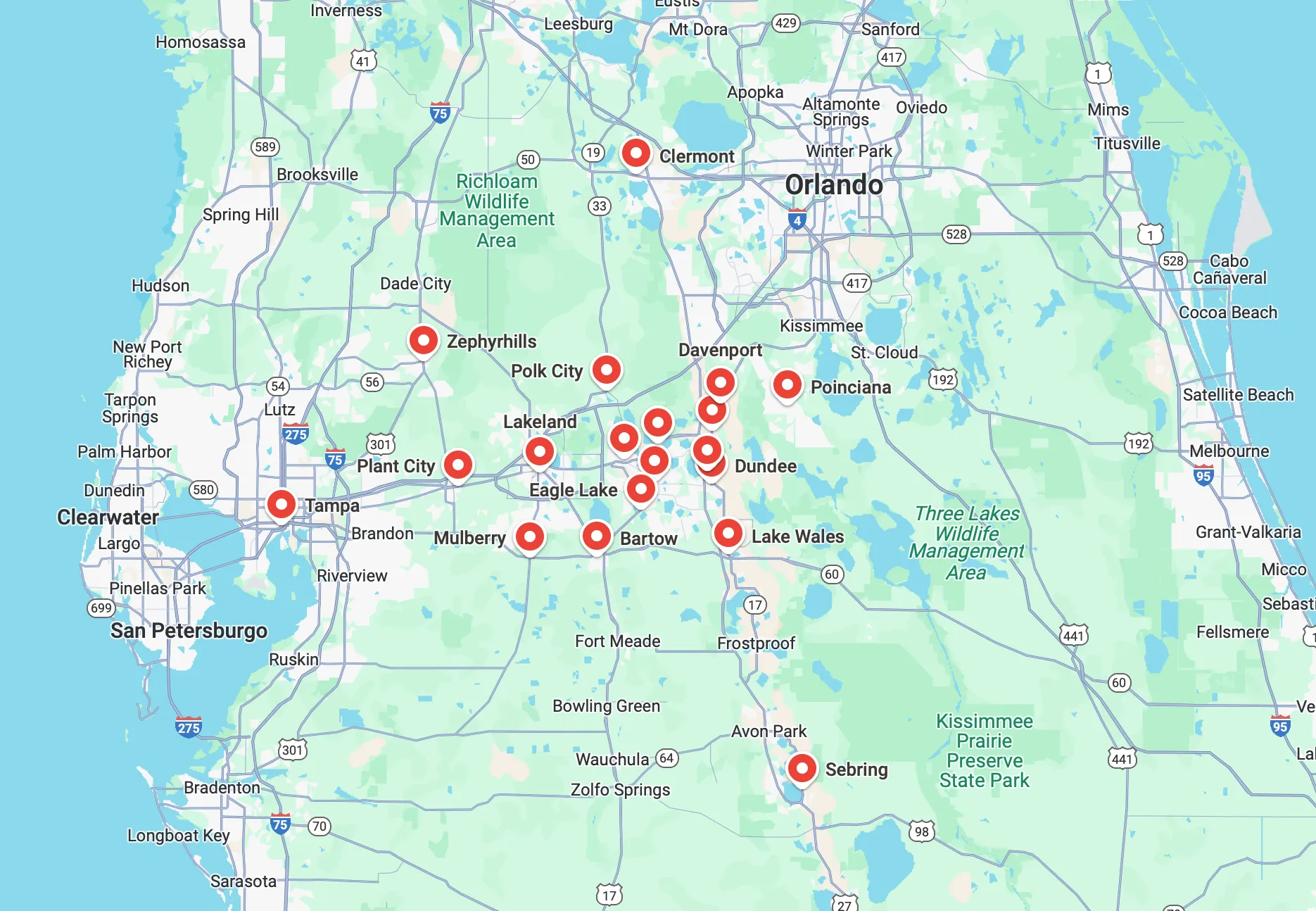
Service Areas