Mini Split Repair in Auburndale, FL
Mini Split Repair in Auburndale, FL
Keeping your mini split running reliably is essential in Auburndale, FL, where long, humid summers and frequent thunderstorms put heavy demand on cooling systems. Professional mini split repair in Auburndale, FL focuses on restoring comfort quickly while protecting system longevity and energy efficiency.
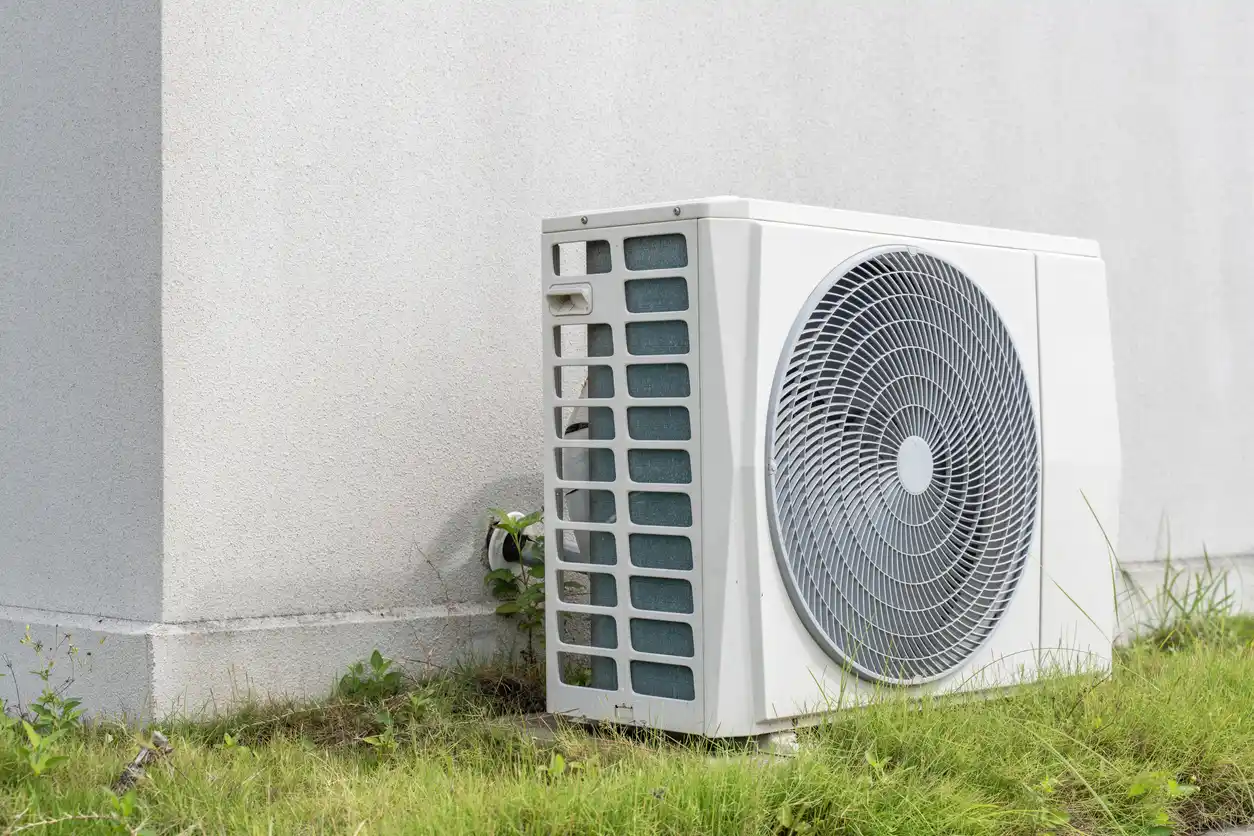
Why timely mini split repair matters in Auburndale, FL
Auburndale homes face months of high humidity and constant cooling load. That increased runtime accelerates wear on compressors, fans, and electrical controls. Power spikes from summer storms can cause electrical faults and control board failures. Left unaddressed, small issues escalate into major failures, higher energy bills, and indoor comfort problems such as uneven cooling or excess humidity. Prompt repairs restore comfort, prevent secondary damage (like mold growth from poor dehumidification), and maintain system efficiency.
Common mini split problems in Auburndale and what causes them
- Refrigerant leaks
Signs: weak cooling, ice on the evaporator coil, or system short-cycling. Causes include vibration damage, poor initial brazing, or corrosion on older copper lines. In humid climates like Auburndale, leaks reduce dehumidification as well as cooling capacity. - Compressor failures
Signs: outdoor unit not starting, loud humming or clicking, or frequent tripping of circuit protection. Causes range from electrical issues and lack of maintenance to motor burnout after prolonged heavy use. - Electrical faults and control failures
Signs: units not responding to thermostat, intermittent operation, or blown fuses. Florida storms and voltage fluctuations are common contributors. - Thermostat, remote, and control board issues
Signs: inaccurate temperature readings, lack of remote control response, or error codes. Faulty sensors and connectors are often the culprit. - Fan and motor problems (indoor and outdoor)
Signs: reduced airflow, rattling, or noisy operation. Debris buildup, worn bearings, or age-related motor wear can degrade airflow and heat transfer. - Drainage and condensate problems
Signs: water leaks inside, overflowing drain pans, or moldy odors. High indoor humidity can overwhelm blocked or sagging condensate lines.
Diagnostic process: how technicians pinpoint the fault
- Initial intake and symptom assessment - Technician documents visible symptoms, error codes, runtime history, and occupant observations specific to Auburndale climate patterns.
- Visual inspection - Check for signs of physical damage, corrosion, oil stains (indicating leaks), and obstructions to airflow.
- Electrical testing - Measure voltage, current draw, and continuity on compressors, motors, contactors, and control boards to detect shorts or failing components after potential storm-related events.
- Refrigerant system evaluation - Use leak detection tools, pressure gauges, and temperature differentials to locate leaks and determine system charge.
- Control and sensor verification - Test thermostats, remotes, and sensors for accurate operation; confirm communication between indoor and outdoor units.
- System performance baseline - Record temperatures, pressures, and airflow to determine if the system meets manufacturer performance expectations.
Typical repair procedures and parts replacements
- Refrigerant leak repair and recharge
Locate and repair the leak (soldering/brazing or replacing damaged line sets), evacuate and test the system, then recharge to manufacturer specification. Replace driers/filters as needed to protect the compressor. - Compressor replacement
Remove and replace the compressor, replace associated start/run capacitors and contactors as recommended, and perform a full evacuation and recharge. Compressor swaps may require reprogramming or system-specific adjustments. - Control board and thermostat repairs
Replace faulty PCBs, relays, or remotes; recalibrate sensors and confirm communication between indoor and outdoor units. - Fan motor and blower repairs
Replace motors, blades, or bearings; clean coils and verify proper airflow balance for optimal dehumidification — important in Auburndale’s humid environment. - Drain and condensate solutions
Clear or replace condensate lines, level pans, and install condensate safety switches if recurring overflow has caused water damage risk.
Estimated repair timelines
- Diagnostic visit - Often completed within 30–90 minutes depending on system accessibility and complexity of symptoms.
- Refrigerant leak location and repair - Typically several hours; complex or hidden leaks may require extended diagnostics or multiple visits for verification.
- Compressor replacement - Often half a day to a full day depending on matching parts and system configuration.
- Control board or fan motor replacement - Frequently 1–4 hours for most mini split models.
- Drainage and condensate work - Usually 1–3 hours, depending on access and extent of replacement.
Timelines vary based on parts availability, system age, and whether multiple failures are present. High-demand periods (mid-summer) and storm aftermaths can extend wait times for parts and technician availability.
Factors that influence repair cost
Rather than list prices, understand that costs depend on:
- Part rarity and manufacturer-specific components (OEM vs aftermarket)
- Extent of labor (simple swap vs extensive refrigerant evacuation and line repair)
- System age and whether multiple components failed as a result of an initial fault
- Need for additional safety measures or code-compliance work on older installations
- Emergency or off-hours service when an immediate response is required
Warranty and guarantee information
- Manufacturer warranties typically cover certain parts like compressors or coils for fixed terms, but often require proof of regular maintenance and proper installation. Refrigerant loss from leaks may be excluded unless defect-related.
- Parts and labor guarantees from service providers vary; many offer limited warranties on parts replaced and workmanship for a defined period. Confirm coverage specifics and exclusions such as preexisting damage or lack of maintenance.
- Maintaining warranty validity often requires documented routine maintenance. In Auburndale, annual or biannual inspections are recommended because heavy seasonal usage increases wear.
Scheduling emergency or routine repairs: what to expect
- Emergency responses prioritize systems that threaten health, safety, or will cause property damage (for example, severe drainage causing leaks, complete compressor failure during heatwaves, or electrical hazards after storms).
- Routine service appointments are often scheduled during regular business hours and include diagnostics, minor repairs, and maintenance tasks such as coil cleaning and refrigerant checks.
- For any appointment, have these ready: system model and serial number, a description of symptoms, any recent service records or warranty paperwork, and notes about recent weather events or power issues. Technicians will usually perform a thorough inspection, provide a clear explanation of findings, and outline recommended solutions and expected timelines.
Preventive maintenance and closing benefits for Auburndale homes
Regular maintenance in Auburndale reduces the chance of mid-summer failures, preserves dehumidification performance, and extends equipment life. Simple steps like keeping outdoor units clear of vegetation, replacing or cleaning filters, and scheduling periodic professional tune-ups will improve efficiency in high-humidity seasons and help avoid emergency repairs. Prompt, expert mini split repair in Auburndale, FL not only restores comfort quickly but also protects your investment against the region’s unique climate stresses.

Customer Testimonials

Service Areas