Heat Pump Installation in Auburndale, FL
Heat Pump Installation in Auburndale, FL
A properly installed heat pump delivers year-round comfort, lower energy bills, and reliable performance in Auburndale, FL homes. Because Auburndale sits in a humid subtropical climate with long cooling seasons, a correctly sized and commissioned heat pump is critical to control indoor humidity, extend equipment life, and maximize efficiency.
Why a tailored installation matters in Auburndale, FL
- Climate impact: High cooling demand and humidity make dehumidification and cooling capacity top priorities. Systems with variable-speed compressors and enhanced dehumidification deliver better comfort in this region.
- Storm and code considerations: Florida Building Code and Polk County regulations influence mounting, wind straps, and electrical work. Outdoor units may need anchoring or elevated pads in low-lying or flood-prone areas.
- Energy savings: Proper sizing and sealing of ductwork are essential to realize the efficiency gains heat pumps offer in hot, humid climates.
Common heat pump types for Auburndale homes
- Air-source, ducted heat pumps - Best for homes with existing duct systems; balances cooling and efficient heating.
- Ductless mini-split heat pumps - Ideal for additions, multi-zone control, or homes without ducts; excellent for targeted comfort and energy savings.
- Hybrid systems and multi-stage units - Combine heat pump operation with backup heating for cold snaps and improved humidity control.
Typical heat pump issues seen locally
- Oversized or undersized equipment causing short cycling or inadequate dehumidification
- Poorly sealed or undersized ducts reducing delivered cooling
- Old air handlers or mismatched components limiting efficiency
- Inadequate anchoring or improper electrical work leading to code violations
- Improper refrigerant charge or airflow issues reducing capacity and lifespan
Initial assessment and load calculation
- Site assessment: Inspect the home layout, ductwork condition, attic insulation, shading, and outdoor condenser location. Evaluate electrical service and panel capacity for new equipment.
- Manual J load calculation: A certified calculation estimates cooling and heating loads based on square footage, orientation, insulation, window types, and occupant patterns. This determines correct unit size.
- Duct and envelope review: Check duct leakage, insulation levels, and air sealing. Recommendations for duct repair or sealing are provided when needed to ensure system performance matches calculations.
Selecting the right unit
- Choose units based on correctly calculated tons, SEER rating for cooling efficiency, and HSPF or heating performance where relevant.
- In Auburndale, consider variable-speed compressors and two-stage systems for improved humidity control.
- Evaluate manufacturer warranties, parts availability, and system compatibility with smart thermostats or zoning if required.
Permitting and local code considerations
- Permits are required under Florida Building Code and Polk County building department rules. Permits cover electrical work, refrigerant handling, and structural anchor details.
- Installations must meet wind-load and anchoring requirements for coastal and inland Florida. Technicians should use code-compliant pad elevation, straps, or anchors as required.
- Technicians must comply with EPA refrigerant handling rules and hold appropriate certifications.
- HOA restrictions on outdoor unit placement and noise limits should be reviewed during the site assessment.
Step-by-step installation process
1. Pre-install preparation
- Finalize equipment model and collect necessary permits.
- Schedule any duct repairs, electrical upgrades, or pad work.
2. Old system removal (if applicable)
- Recover refrigerant per EPA rules and remove old equipment safely.
3. Pad and mounting
- Set a level, code-compliant pad or platform. Anchor the condenser for wind resistance if required.
4. Line sets and refrigerant piping
- Run insulated refrigerant lines and electrical conduit. For long runs consider line-size adjustments to avoid efficiency loss.
5. Electrical and disconnects
- Install correct disconnects, breakers, and verify panel capacity. Grounding and surge protection are reviewed.
6. Air handler or indoor unit installation
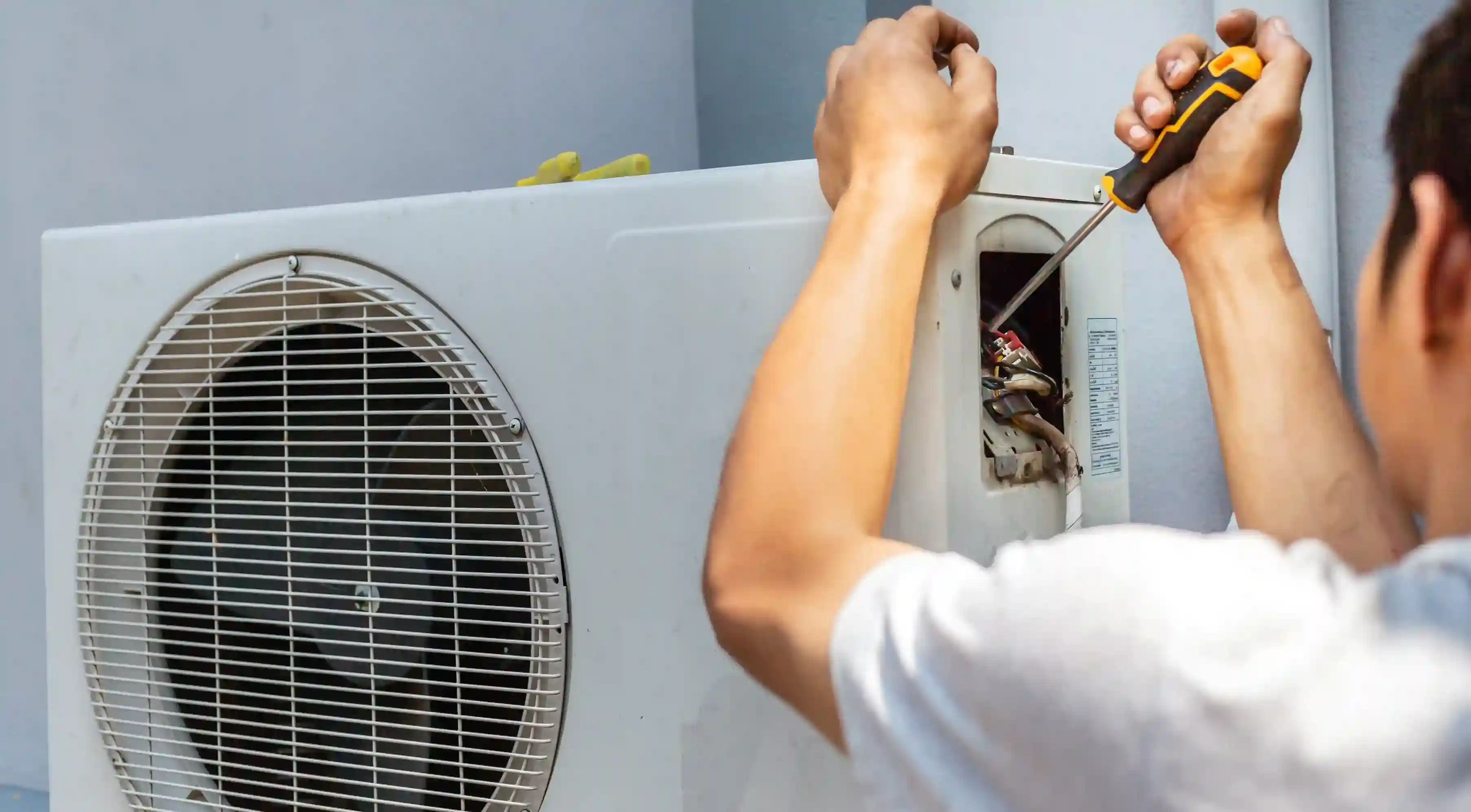
- Install or modify the air handler, evaporator coil, or indoor heads for ductless systems. Seal all connections.
7. Ductwork sealing and adjustments
- Seal joints, add insulation, and balance registers to match design airflow targets.
8. System evacuation and refrigerant charge
- Evacuate the system to remove moisture and verify correct refrigerant charge by weight and performance testing.
9. Startup and commissioning
- Run performance tests: airflow, static pressure, temperature split, and system diagnostics. Adjust controls and thermostats.
10. Final inspection
- Coordinate local inspection and satisfy permit sign-offs.
Typical timeline
- Simple like-for-like swap: 1 workday (6 to 10 hours)
- Replacement with duct modifications: 1 to 2 days
- New system with new ductwork or multi-zone ductless: 2 to 5 days
- Permit turnaround and inspections may affect final completion time
Warranty, registration, and documentation
- Most manufacturers offer limited parts and compressor warranties that vary by model. Common terms include 5-year parts and 10-year compressor warranties when registered.
- Register equipment with the manufacturer to activate full warranty benefits and retain all documentation for future service.
- Keep installation records, load calculations, and permit approvals for warranty claims and potential energy rebate applications.
Rebates, incentives, and financing options
- Federal incentives for high-efficiency heat pumps may be available depending on current programs and qualifying efficiency levels.
- Local utility providers and state programs sometimes offer rebates for high-efficiency equipment or heat pump conversions. Check Polk County or your utility for current offerings.
- Financing and energy-efficient loan options can spread installation costs over time; options vary by lender and program.
Post-install testing and homeowner orientation
- Technicians will demonstrate thermostat programming, zoning controls, and basic maintenance tasks such as filter changes and airflow checks.
- Expect a walk-through covering energy-saving thermostat schedules, humidity control tips, and recommended maintenance timelines.
- Post-install testing includes verifying refrigerant charge, airflow balancing, system capacity, and electrical safety checks.
Long-term performance and maintenance
- Schedule annual tune-ups, ideally before peak cooling season, to maintain efficiency and extend equipment life.
- Replace or clean filters regularly and keep outdoor coils clear of debris and vegetation.
- Address duct leaks or insulation issues promptly to preserve efficiency in Auburndale's humid climate.
A correctly planned and executed heat pump installation in Auburndale, FL ensures comfortable indoor temperatures, better humidity control, and long-term energy savings. Attention to load calculations, local code requirements, careful equipment selection, and professional commissioning are the keys to reliable performance in this region.

Customer Testimonials

Service Areas