Heating Maintenance in Lake Hamilton, FL
Heating Heating Maintenance in Lake Hamilton, FL
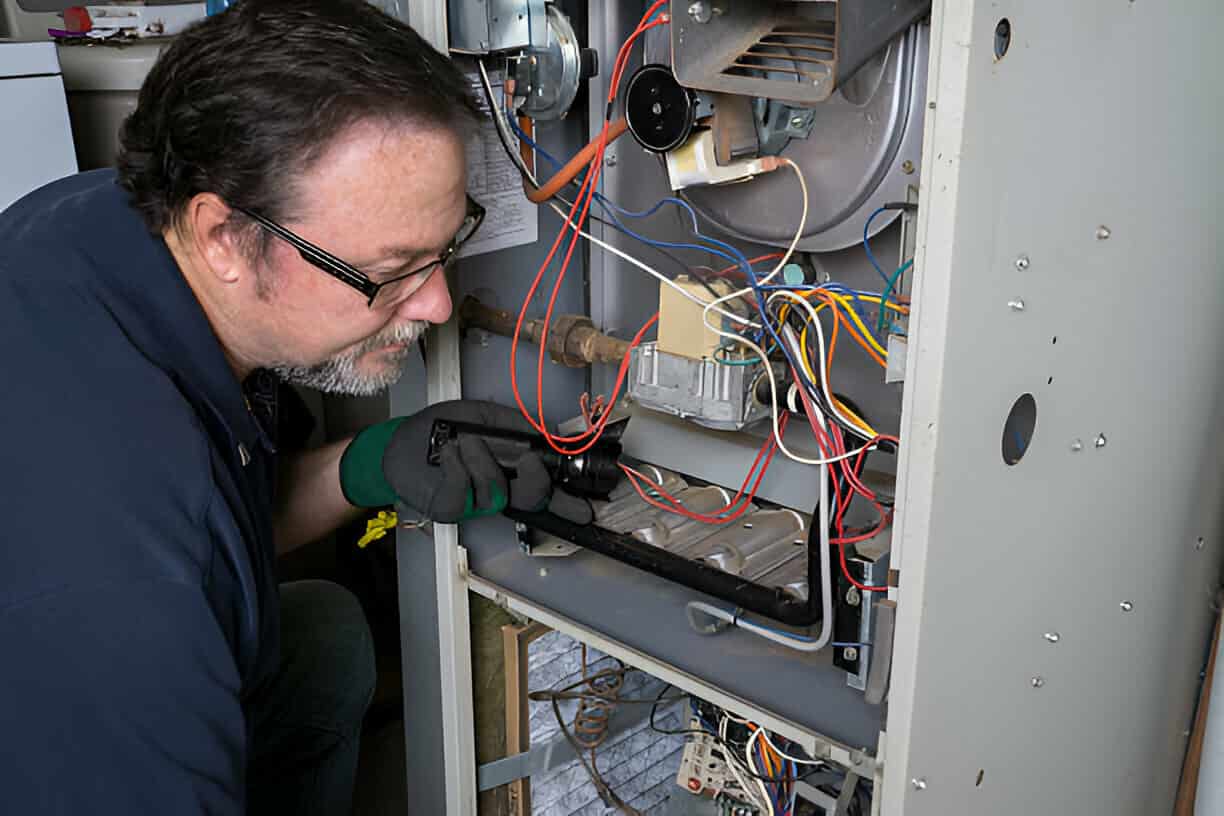
Keeping your heating system well maintained is essential for reliable winter comfort, lower energy bills, and longer equipment life. In Lake Hamilton, FL, where winters are mild but humidity and seasonal storms place unique demands on HVAC equipment, a comprehensive Heating Heating Maintenance program ensures your furnace or heat pump runs safely and efficiently when you need it.
Why routine heating maintenance matters in Lake Hamilton, FL
- Humidity and pollen: Central Florida’s humid air and high pollen loads increase stress on filters, coils, and indoor air quality components. Regular maintenance prevents buildup that reduces efficiency.
- Mild winters, high use of backup heat: Even though temperatures are moderate, heat pumps still cycle seasonally and can suffer wear from repeated on-off cycles. Preventive service reduces mid-season failures.
- Storm and storm debris risk: Seasonal storms can lead to power interruptions and debris that affect outdoor units and condensate paths. Inspections catch storm-related damage early.
- Warranty and resale considerations: Manufacturers often require regular maintenance for warranty compliance. Well-documented service records also preserve home value.
Common heating maintenance issues in Lake Hamilton, FL
- Dirty or clogged filters reducing airflow and efficiency
- Corroded or dirty coils and heat exchangers from humid, corrosive air
- Malfunctioning thermostats or miscalibration causing short cycling
- Restricted condensate drains and pan blockages that lead to water damage
- Worn blower motors, belts, or bearings reducing lifespan and increasing noise
- Pilot or ignition problems in gas systems leading to unreliable starts
- Refrigerant leaks or low charge in heat pumps causing poor heat output
What a comprehensive seasonal checklist includes
A thorough maintenance visit follows a seasonal checklist tailored to heating equipment type (gas furnace, electric furnace, or heat pump). Typical items include:
- Visual inspection of indoor and outdoor units for damage, corrosion, or debris
- Replacement or cleaning of air filters and assessment of filter needs between visits
- Cleaning of blower assembly, motor, and housing to restore airflow
- Inspection and cleaning of burners, pilot assembly, or ignition components
- Heat exchanger and combustion chamber inspection for cracks or soot
- Coil cleaning (evaporator and condenser) to improve heat transfer
- Verification and cleaning of condensate drain and pan to prevent backups
- Examination and testing of safety controls, limit switches, and pressure switches
- Lubrication of motors and moving parts where applicable
- Measurement of temperature rise across the system or heat pump temperature split
- Airflow and static pressure checks to identify duct or filter restrictions
- Refrigerant level check and leak detection for heat pumps
- Carbon monoxide and combustion efficiency check for gas heaters
- Thermostat calibration and control system function test
- Ductwork inspection for obvious leaks or insulation issues
Diagnostic steps and performance checks explained
Technicians follow a diagnostic process to confirm your system is operating within manufacturer specifications:
- Measure airflow and temperature rise: Ensures the system moves enough air and produces expected heat output.
- Test safety and control circuits: Confirms the system shuts down safely if a fault occurs.
- Check electrical loads: Verifies motors and compressors draw appropriate amperage, catching failing components early.
- Combustion and CO testing (gas systems): Detects inefficient combustion and dangerous CO levels before they become a hazard.
- Refrigerant and pressure tests (heat pumps): Low refrigerant reduces heating capacity and can damage compressors.
- System run cycle assessment: Observation of startup and shutdown behavior to detect short cycling or delayed ignition.
These checks provide objective data that helps prioritize repairs and determine if further diagnostic work is needed.
Cleaning procedures that improve efficiency
- Filter care: Replace disposable filters or clean reusable media to restore airflow and reduce strain on blowers.
- Coil cleaning: Removing dust, pollen, and road-film from coils restores heat transfer and reduces energy use.
- Burner and combustion chamber cleaning: Removes soot and deposits that reduce efficiency and create safety risks.
- Condensate cleaning: Clearing the drain path protects against water damage and microbial growth.
- Outdoor coil and area cleanup: Keeping the outdoor unit free from grass, leaves, and debris minimizes compressor stress.
Benefits of ongoing maintenance
- Improved energy efficiency and lower heating costs through optimized combustion and airflow
- Fewer emergency breakdowns during cold snaps and storm-related power events
- Extended equipment life by preventing premature failure of motors, compressors, and heat exchangers
- Safer operation by identifying combustion or electrical hazards early
- Better indoor air quality by reducing dust, pollen, and microbial growth in drain pans and ducts
- Documentation for warranty compliance and resale value
Subscription and plan options for regular service
Maintenance plans are structured to match your equipment and usage patterns. Typical plan features customized for Lake Hamilton, FL homes include:
- Frequency tiers: Annual tune-up for gas or electric furnaces; biannual visits for heat pumps (spring and fall) to cover cooling and heating seasons
- Priority scheduling windows for seasonal tune-ups and off-peak appointments
- Included inspections and preventive tasks: filter changes, safety checks, and performance measurements
- Discounted diagnostic labor rates and parts pricing for plan members
- Waived diagnostic fees for covered breakdowns identified during a maintenance visit
- Seasonal reminders and service history records to maintain manufacturer warranty compliance
- Optional add-ons: indoor air quality services, duct sealing evaluation, and system performance reports
Plans are designed to reduce total cost of ownership while providing predictable, documented service that keeps systems running efficiently year-round.
Maintenance schedule recommendations for Lake Hamilton households
- Heat pumps: Spring and fall inspections to prepare for peak cooling and heating demands
- Gas or electric furnaces: Annual fall inspection before heating season begins
- Filters: Check monthly during high pollen months; replace every 1-3 months depending on filter type and household factors
- Duct and air quality checks: Annually, more often if pets or allergy concerns exist

Customer Testimonials

Service Areas