HVAC Service in Lake Hamilton, FL
HVAC Service in Lake Hamilton, FL
Keeping your HVAC system reliable and efficient is essential for comfort and indoor air quality in Lake Hamilton, FL. With long, humid summers, frequent thunderstorms, and seasonal pollen, homeowners in this area rely on properly maintained heating, ventilation, and air conditioning equipment to stay comfortable year-round.
.webp)
Common HVAC issues in Lake Hamilton, FL
Florida weather creates a predictable set of HVAC problems. Understanding these helps you spot trouble early.
- Insufficient cooling or uneven temperatures: Often caused by low refrigerant, dirty coils, restricted airflow, or failing compressors. High outdoor temps and humidity make symptoms more noticeable.
- Short cycling: Frequent on/off cycles increase wear and energy use. Typical causes are oversized equipment, thermostat problems, or refrigerant issues.
- High humidity and poor indoor air quality: Systems not sized or maintained for humidity control can lead to mold, odors, and discomfort.
- Frozen evaporator coils: Restricted airflow or low refrigerant can cause freezing, then poor cooling when coils thaw.
- Condenser and fan issues: Outdoor units exposed to debris, grass clippings, and storm damage can lose efficiency or stop working.
- Aging equipment and refrigerant concerns: Older systems using R-22 refrigerant face higher repair costs and limited parts availability.
- Electrical failures and blower motor problems: Power surges from thunderstorms and wear on motors are common failure points.
HVAC service types offered in Lake Hamilton, FL
Professional HVAC service in Lake Hamilton, FL typically covers a full spectrum of offerings to address these local challenges.
- Routine inspections and seasonal tune-ups: Comprehensive checks of electrical, refrigerant levels, coils, airflow, thermostats, and safety controls to keep systems running efficiently.
- Diagnostics: Systematic evaluation using gauges, airflow testing, and electrical diagnostics to pinpoint root causes before repair.
- Repairs: Component-level repairs including capacitors, contactors, compressors, blower motors, refrigerant leak repair, and control replacements.
- Installations and replacements: Equipment sizing, load calculations (Manual J), ductwork evaluation, and professional installation of energy-efficient systems.
- Replacement assessments: Objective analysis that weighs repair cost, equipment age, efficiency gains, and warranty implications to recommend repair or replacement.
- Emergency service availability: Rapid triage and temporary fixes for system failures during peak heat or storm-related outages.
- Service plan options: Tiered maintenance plans that include scheduled tune-ups, priority scheduling, diagnostic discounts, and documentation to protect manufacturer warranties.
- Customer support and policies: Clear service summaries after each visit with documented findings, recommended next steps, and support policies for follow-up or warranty work.
What to expect during a service visit
A predictable, professional process reduces stress and clarifies outcomes.
- Arrival and assessment: A trained technician arrives on schedule, inspects indoor and outdoor units, checks filters, and reviews recent system history.
- Diagnostic tests: Refrigerant pressures, airflow, electrical load, temperature splits, and safety controls are measured to identify faults.
- Explanation and estimate: Findings are explained in plain language with options for repair or replacement and transparent pricing estimates where appropriate.
- Approval and repair: With customer approval, necessary repairs or adjustments are completed using quality parts; safety checks are performed before powering the system.
- Final testing and documentation: The system is run through a performance test, results are recorded, and the homeowner receives a summary of work, parts installed, and recommended follow-up.
- Support policies: Information about service warranties, follow-up visits, and plan benefits is provided to ensure clarity after the job.
Emergency HVAC service in Lake Hamilton, FL
Storms, power fluctuations, and extreme heat increase the need for emergency HVAC response. Emergency service focuses on safe restoration and stabilization of your system.
- Rapid triage to identify safety hazards (electrical or refrigerant leaks)
- Temporary cooling solutions or isolation of failed components to prevent further damage
- Clear explanation of permanent repair needs and timeline for parts or replacement
- Guidance on safe interim measures, such as turning off equipment if electrical damage is suspected or using portable cooling options for sensitive occupants
Household steps during an emergency: check breakers, change a heavily clogged filter, and keep doors and windows closed to preserve indoor conditions until a technician assesses the system.
Service plans and long-term benefits
Regular maintenance is the single best investment to reduce emergency repairs, lower energy bills, and extend equipment life—especially in Lake Hamilton’s climate.
- Priority scheduling and seasonal tune-ups ensure systems are ready before peak cooling months.
- Discounts on diagnostic fees and repairs often come with plan membership, lowering the total cost of ownership.
- Documentation for warranty compliance keeps manufacturer warranties valid and simplifies future claims.
- Energy and lifespan gains: Clean coils, proper refrigerant charge, and correct airflow restore rated efficiency and can add years to system life.
Replacement versus repair: decision factors
When evaluating repair or replacement, technicians consider these local-relevant factors:
- Age of equipment: Systems older than 10-15 years are often less efficient and more likely to need costly repairs.
- Efficiency gains: New units offer higher SEER ratings and improved humidity control—valuable in Lake Hamilton’s climate.
- Repair cost versus remaining useful life: If repairs approach or exceed 40-50% of a replacement cost for aging equipment, replacement often makes sense.
- Refrigerant type: Older units using phased-out refrigerants may face higher repair costs and limited part availability.
Practical maintenance tips for Lake Hamilton homes
Simple homeowner actions reduce stress on HVAC equipment between professional visits.
- Replace or clean filters every 1-3 months depending on use and pets
- Keep at least 2 feet of clear space around outdoor condensers and remove debris after storms
- Set thermostats to consistent, reasonable temperatures and use programmable or smart thermostats to reduce runtime
- Schedule pre-season tune-ups before summer and winter to catch issues early
- Consider whole-house humidity control or attic insulation improvements to reduce system workload
Proper HVAC service in Lake Hamilton, FL protects comfort, health, and property value. Regular maintenance, prompt diagnostics, and informed replacement decisions tailored to local climate conditions deliver better performance, lower energy costs, and fewer unexpected breakdowns.

Customer Testimonials

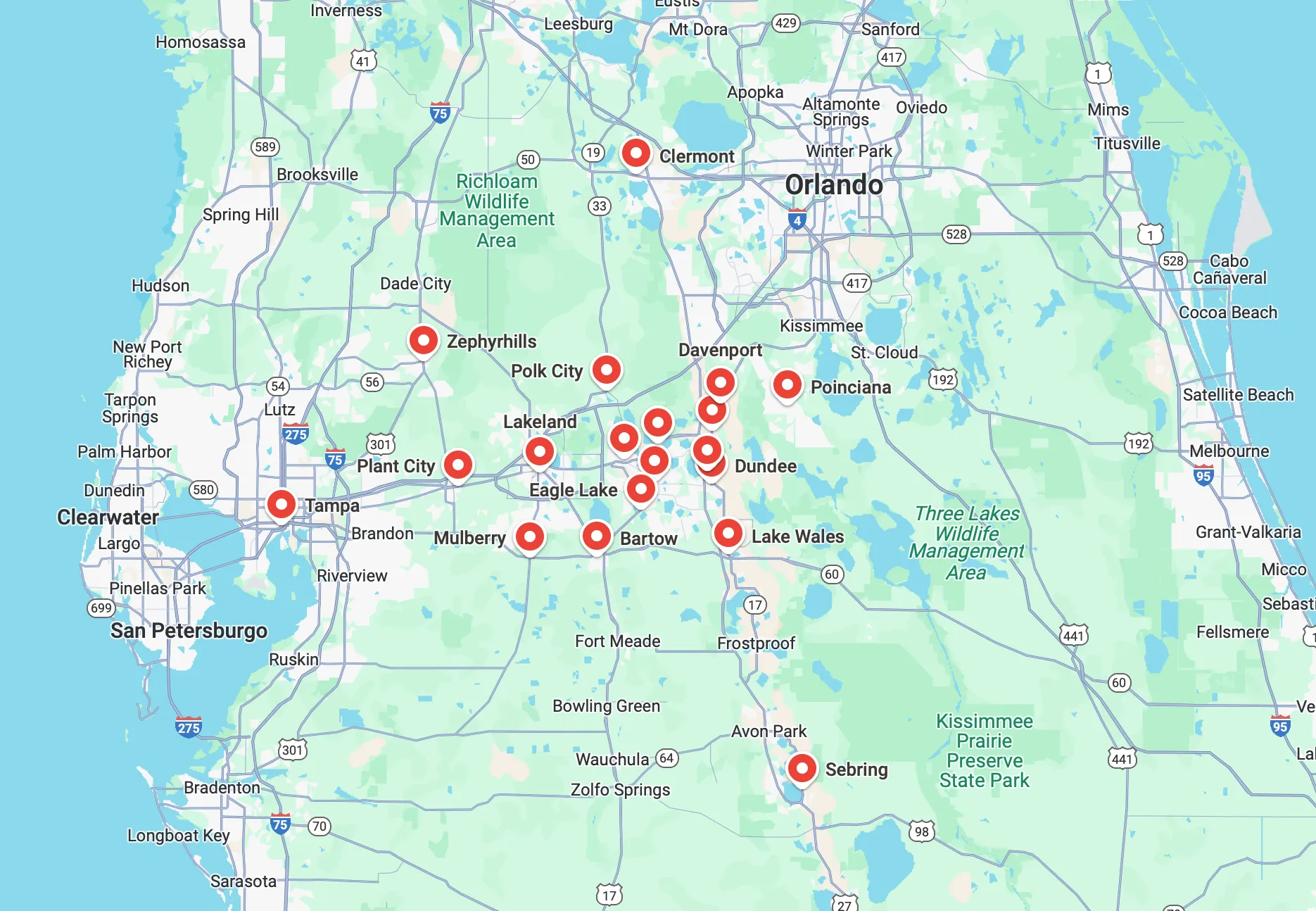
Service Areas