HVAC Installation in Lake Hamilton, FL
HVAC Installation in Lake Hamilton, FL
Replacing or installing an HVAC system in Lake Hamilton, FL is about more than comfort - it’s about matching equipment to a home that sees long, humid summers, frequent temperature swings, and occasional severe weather.
-min.jpeg)
Why professional HVAC installation matters in Lake Hamilton, FL
Florida’s climate drives high cooling loads and persistent humidity. An improperly sized or poorly installed system will:
- Run constantly without reaching set temperatures
- Produce uneven cooling and humidity problems that invite mold growth
- Waste energy and shorten equipment life
- Create indoor comfort complaints and higher maintenance needs
A professional installation focused on accurate load calculations, proper ductwork, and correct refrigerant charge solves these problems before they start.
Common HVAC installation types and issues in Lake Hamilton, FL
Homes in Lake Hamilton commonly need:
- Air conditioner (split-system) installations for central cooling
- Heat pump installations (efficient for mild Florida winters and summer cooling)
- Ductless mini-split systems for room additions or homes without ductwork
- Packaged rooftop units for certain home additions or small commercial properties
Common installation issues we address:
- Undersized or oversized equipment from rule-of-thumb sizing
- Leaky, poorly insulated, or undersized ducts
- Electrical service or breaker issues that don’t support modern systems
- Inadequate condensate drainage in humid conditions
- Lack of proper outdoor unit mounting or hurricane restraints
Load calculations and system sizing (what we do and why it matters)
We perform a full Manual J style load calculation-not a quick estimate-to determine the correct system size for your home. This includes:
- Square footage, orientation, and window types
- Insulation levels and attic conditions
- Local climate factors: long cooling season and humidity in Lake Hamilton
- Occupancy and appliance heat loads
Correct sizing maximizes efficiency, reduces short-cycling, improves humidity control, and extends equipment life.
Ductwork assessment and modifications
Ductwork often determines whether a new system will perform as expected. Our duct assessment covers:
- Leakage testing and seal recommendations
- Duct sizing relative to airflow requirements
- Insulation levels for ducts in attics or crawlspaces
- Return air configuration and filter placement for improved indoor air quality
Common duct upgrades:
- Sealing and insulating ducts
- Adding or resizing returns and supply runs
- Replacing damaged flex ducts or metal runs
- Balancing dampers and register adjustments
Step-by-step installation process
A typical full-service installation includes:
- Pre-install survey and load calculation
- System selection guidance based on efficiency, performance, and Lake Hamilton climate needs
- Permit application and coordination with local building officials
- Old system removal and safe disposal (refrigerant recovery)
- Ductwork repairs or modifications as needed
- Electrical upgrades and disconnects following code
- Condensate and drain routing with backup protection for humidity-heavy conditions
- Equipment set, refrigerant piping, and electrical connections
- Insulation, sealing, and weatherproofing outdoor units (hurricane restraint considerations)
- Start-up, refrigerant charge verification, airflow tuning, and thermostat setup
- Final testing and commissioning with homeowner walkthrough and documentation
Permits, code compliance, and local requirements
Installations in Lake Hamilton must comply with Florida Building Code and Polk County permitting rules. Typical compliance items:
- Proper HVAC contractor licensing and permit pull
- Equipment installation per manufacturer specifications and local mechanical codes
- Electrical permits and inspections when service upgrades are required
- Documentation for refrigerant handling and disposal
We ensure installations meet code and pass required inspections, including any hurricane strap or anchoring requirements relevant to Florida’s wind-load standards.
Post-installation testing and commissioning
Commissioning confirms performance and includes:
- Verifying refrigerant charge and pressures
- Measuring temperature split and airflow
- Confirming electrical connections and safety controls
- Checking condensate removal and drain integrity
- Calibrating thermostats and smart control integration
- Providing a final performance report and operational guidance
Proper commissioning reduces callbacks and ensures the system achieves rated efficiency.
Warranties, financing, and expected timelines
Warranties typically include manufacturer equipment warranties and contractor labor warranties. We explain the differences between standard and extended warranties and the importance of registering new equipment to preserve coverage.
Financing options may be available through third-party providers; we review typical structures so you can match payment plans to expected energy savings and budget needs.
Expected timelines vary by project complexity:
- Simple replacement (like-for-like): often completed within a day
- System changeouts with ductwork modifications: commonly 1–3 days
- Complex installs (new duct systems, electrical upgrades, permitting): several days to a week or more
Factors that affect timeline include permit turnaround, extent of ductwork work, structural modifications, and parts availability.
What influences installation cost
Instead of a single price, installation cost depends on:
- System type and efficiency level selected
- Ductwork condition and required modifications
- Electrical service upgrades or panel work
- Accessibility of installation locations (attic, crawlspace, roof)
- Required permits and inspection timing
- Additional indoor air quality products or controls
Understanding these factors helps set realistic expectations and ensures you buy the right system for long-term comfort and value.
Long-term benefits and maintenance advice
A properly installed HVAC system provides:
- Improved comfort and consistent indoor temperatures
- Better humidity control-important in Lake Hamilton’s humid climate
- Lower energy use and fewer repairs over the system’s life
- Healthier indoor air with correct filtration and ventilation
Maintenance tips to protect your investment:
- Schedule annual tune-ups and refrigerant/airflow checks
- Replace filters regularly and monitor condensate drains during humid months
- Keep outdoor units clear and properly anchored before hurricane season
- Insulate attic ducts and seal leaks to reduce energy loss
A well-planned installation combined with regular maintenance delivers the best performance and reliability for Lake Hamilton homes.

Customer Testimonials

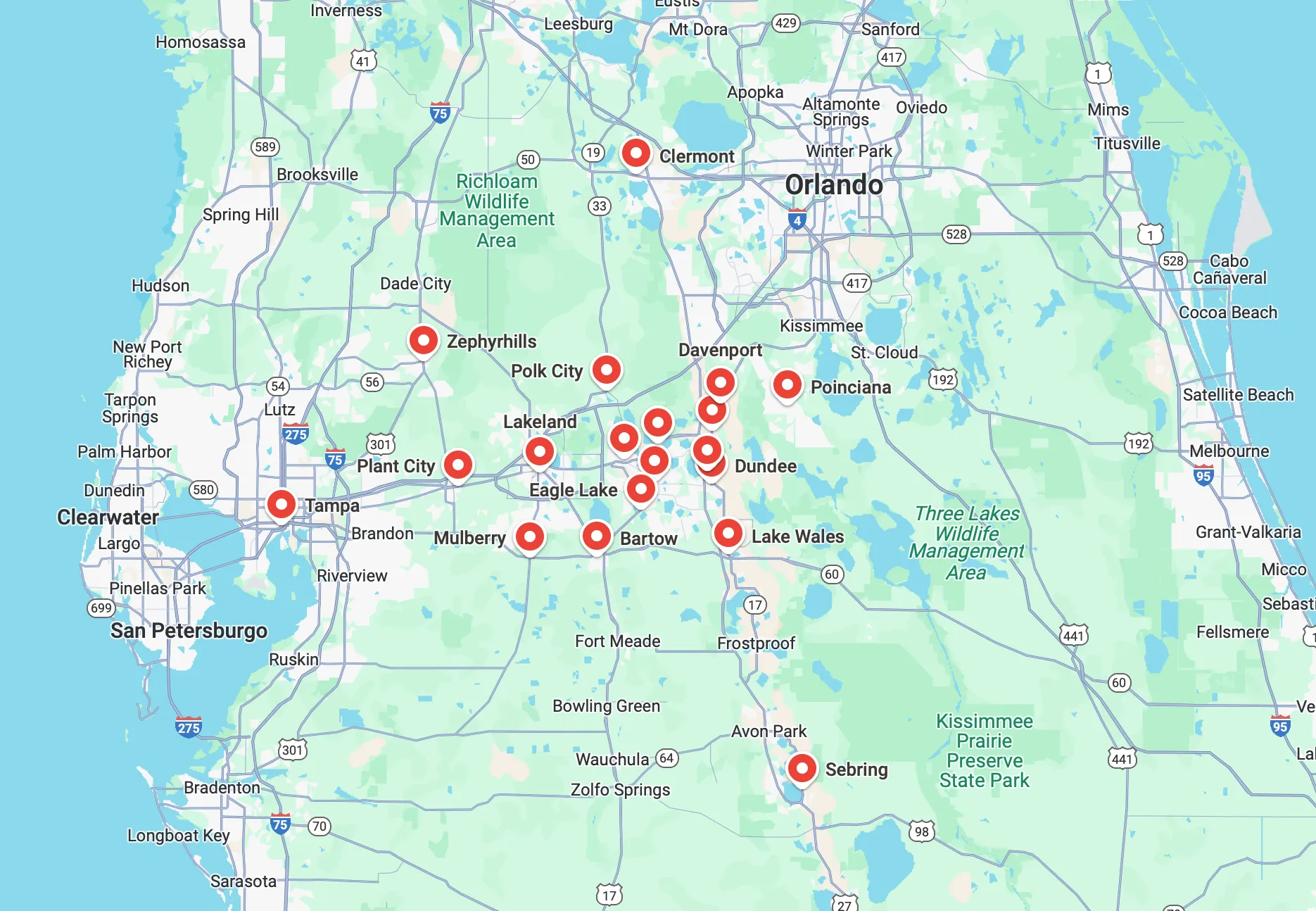
Service Areas