HVAC Maintenance in Lake Hamilton, FL
HVAC Maintenance in Lake Hamilton, FL
Keeping your HVAC system well maintained is essential for reliable comfort in Lake Hamilton, FL. High humidity, frequent heavy use during long warm seasons, and occasional severe storms put extra strain on heating and cooling equipment in this area. Proactive HVAC maintenance programs and preventative maintenance agreements reduce emergency breakdowns, improve indoor air quality, lower energy use, and help your system last longer - especially important for Florida homes that run air conditioning most of the year.
-min.webp)
Why regular HVAC maintenance matters in Lake Hamilton homes
- High humidity accelerates coil fouling, mold, and corrosion in outdoor and indoor components.
- Long cooling seasons mean systems accumulate more runtime hours than in cooler climates.
- Pollen, lake-area vegetation, and dust increase filter loading and reduce airflow.
- Storms and power fluctuations can stress electrical components and controls.
Left unchecked, these local factors lead to frequent failures, uneven cooling, higher energy bills, and shortened equipment life. A scheduled maintenance program addresses these issues before they become costly problems.
Common HVAC issues in Lake Hamilton, FL
- Reduced cooling capacity from dirty evaporator and condenser coils.
- Clogged condensate drains causing water backups and potential indoor moisture problems.
- Refrigerant leaks leading to inefficient cooling and compressor damage.
- Electrical failures (capacitors, contactors, relays) from heavy cycling and voltage fluctuations.
- Poor indoor air quality from neglected filters and duct contamination.
- Short cycling or uneven temperatures due to thermostat or airflow problems.
What a preventative maintenance agreement includes
A comprehensive maintenance program in Lake Hamilton is built around scheduled inspections, seasonal tune-ups, and documented service visits. Typical components include:
- Scheduled inspections: usually twice a year -M pre-summer (spring) and pre-winter (fall). For older systems, high-use homes, or properties with indoor air quality concerns, quarterly visits can be recommended.
- Priority scheduling for members: enrolled properties receive priority appointment windows during peak seasons and faster response for urgent issues.
- Standard inspection tasks:
- Replace or inspect air filters; recommend appropriate MERV level for your home and family needs.
- Clean and inspect evaporator and condenser coils for dirt and corrosion.
- Check refrigerant levels and inspect for leaks.
- Inspect and clean condensate drain lines and pans to prevent backups and mold growth.
- Test thermostat operation and calibrate controls.
- Inspect electrical connections, measure voltages and currents on key components, and test capacitors and relays.
- Lubricate motors and moving parts where applicable.
- Check blower assembly and airflow; measure static pressure when needed.
- Inspect ductwork for visible issues and recommend remediation when leaks or insulation problems are found.
- Verify safety controls and system startup/shutdown sequences.
- Assess outdoor unit for debris, vegetation clearance, and signs of corrosion.
Maintenance checklist (what you can expect after each visit)
- Date and time of service
- System model and serial numbers inspected
- Filter type used and replacement recommendation
- Items cleaned (coils, drains, blower) with condition notes
- Electrical measurements and any worn components identified
- Refrigerant status and any leak indications
- Thermostat settings and calibration results
- Recommended repairs or parts replacement with explanation of urgency
- Estimated remaining service life and efficiency observations
- Photos or notes documenting problem areas when applicable
Technicians document each visit so homeowners have a clear maintenance history that supports warranty requirements, future repairs, and resale value.
How maintenance saves money and extends equipment life
Regular upkeep reduces the likelihood of catastrophic failures and spreads repair needs into predictable, smaller investments. In plain terms:
- Clean coils and correct refrigerant levels allow the system to run less while delivering the same comfort, which lowers energy use.
- Addressing minor electrical wear before a failure prevents expensive compressor or control board replacements.
- Preventing condensate blockages and mold reduces indoor air quality complaints and avoids water damage repairs.
- Routine lubrication and adjustments reduce mechanical wear, often extending equipment life by several years compared to neglected systems.
Diagnostic approach during a tune-up
Technicians use a methodical process to diagnose and tune systems without confusing homeowners:
- Visual inspection of indoor and outdoor units for obvious issues.
- Replace or inspect filters and measure airflow.
- Test cooling/heating performance and compare to expected operation.
- Check refrigerant pressures when indicated and look for leaks.
- Measure electrical loads on major components to spot failing motors or capacitors.
- Verify thermostat accuracy and control settings.
- Run system through a full cycle while monitoring for unusual noises or vibration.
Each step is documented and translated into plain-language recommendations so you understand any needed follow-up.
Tailored recommendations for Lake Hamilton properties
- Schedule maintenance in spring before the heavy cooling season and again in fall to prepare for milder months.
- Lakefront and high-humidity homes may benefit from more frequent filter changes and quarterly condensate inspections to prevent mold.
- Homes with lots of trees or seasonal pollen may need higher-grade filtration or more frequent service during peak pollen months.
- Consider surge protection and proper electrical grounding for outdoor units to reduce storm-related control failures.
Ongoing benefits beyond repairs
Preventative maintenance is more than fixing problems; it is a plan to protect comfort, safety, and budget:
- Improved energy efficiency and more consistent indoor temperatures.
- Reduced risk of emergency breakdowns during the hottest days.
- Documentation that supports warranty claims and records for homebuyers.
- Better indoor air quality and reduced allergens for families sensitive to pollen and mold.
- Predictable maintenance schedule that helps prioritize long-term system investments.
Regular HVAC maintenance in Lake Hamilton, FL, aligns your system’s needs with the local climate realities. A structured preventative agreement provides peace of mind through scheduled inspections, priority service, clear documentation, and targeted solutions that keep your system running efficiently year after year.

Customer Testimonials

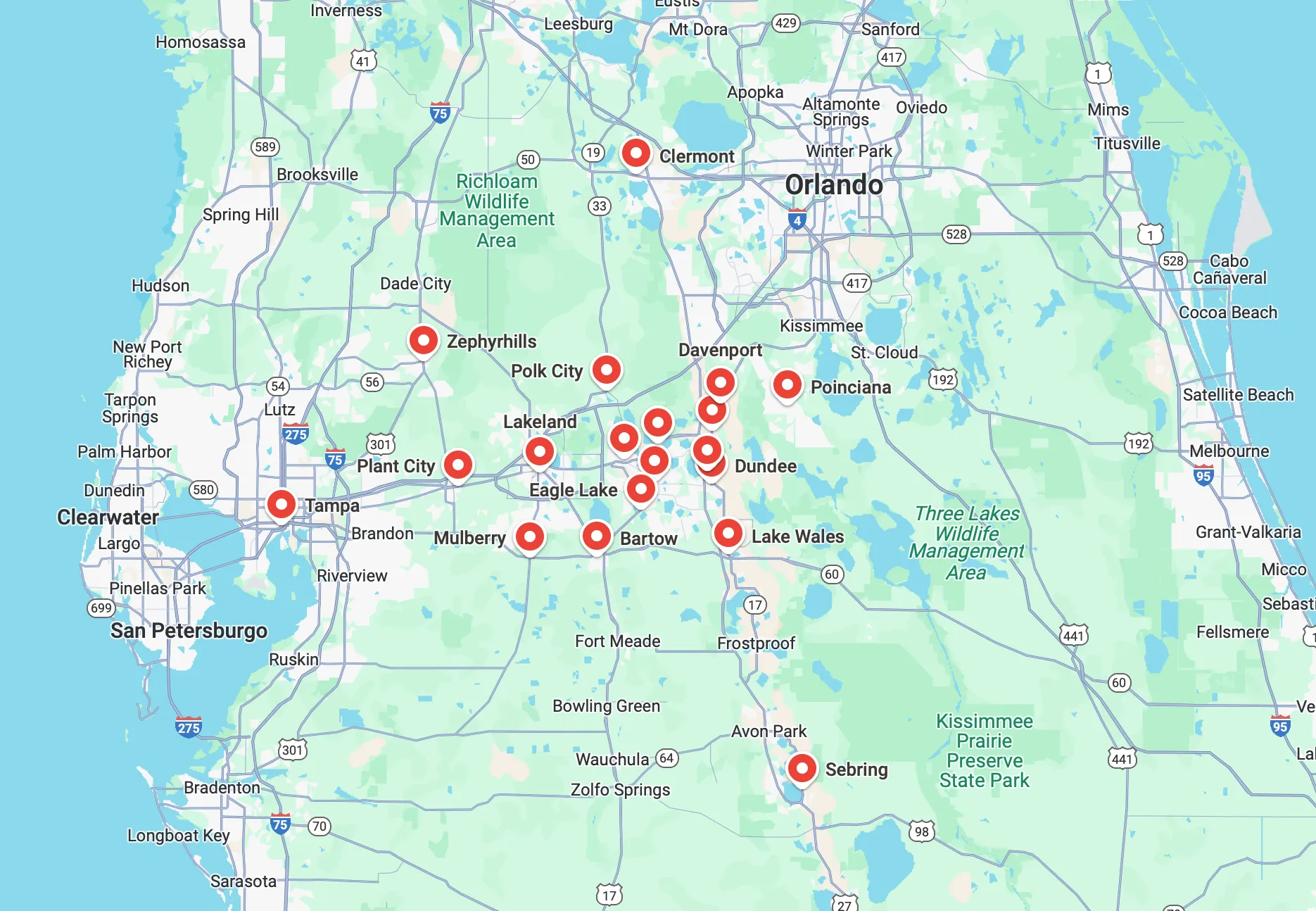
Service Areas