Heating Furnace Replacement in Lake Hamilton, FL
Heating Furnace Replacement in Lake Hamilton, FL
Upgrading your heating furnace is a decision that affects comfort, safety, and long-term energy costs. In Lake Hamilton, FL, winters are generally mild but when temperatures dip - or indoor humidity and airflow issues persist - an aging or underperforming furnace can leave your home uncomfortable and drive up utility bills.
.webp)
When to replace a furnace versus repair
Consider replacement when any of the following apply:
- The furnace is 15 years or older or near the end of its expected service life.
- Annual repair costs are adding up (commonly, when a single repair costs more than half the value of a new unit or when you’ve had multiple repairs in a year).
- System efficiency is low (high energy bills despite regular maintenance).
- Uneven heating, persistent cold spots, or poor airflow persist after basic repairs.
- Safety concerns such as cracked heat exchangers, frequent pilot outages, or carbon monoxide detection issues.
- You want modern features: variable-speed blowers, two-stage heating, or smart thermostat compatibility.
In Lake Hamilton, even though heating needs are less intense than in northern climates, these indicators still matter because inefficiency and safety issues can persist year-round and affect humidity control and overall comfort.
Common heating furnace issues in Lake Hamilton, FL
- Short cycling (turning on and off too frequently), often caused by incorrect sizing, airflow restrictions, or failing components.
- Rising energy bills from declining efficiency.
- Ignition or pilot problems leading to unreliable heating.
- Noisy operation from aging motors or loose components.
- Uneven warmth due to duct leakage or improper airflow balance.
- Rust, corrosion, or damage in homes near water bodies or with higher indoor humidity.
Evaluation process: how we determine repair vs replacement
A thorough evaluation focuses on three primary areas:
- Age and expected remaining life: Furnaces have a typical lifespan of 15–20 years depending on use and maintenance. Age is a major factor in replacement decisions.
- Efficiency and operating cost: We compare your current Annual Fuel Utilization Efficiency (AFUE) rating and typical fuel costs to modern high-efficiency models to estimate savings.
- Repair history and condition: Frequency, severity, and cost of recent repairs, plus an inspection of the heat exchanger, combustion chamber, blower motor, and controls.
Additional checks include ductwork condition, combustion safety testing, venting integrity, and compatibility with existing HVAC components (air conditioner, heat pump, thermostat). In Lake Hamilton homes, we also evaluate moisture-related corrosion and the potential benefit of combined solutions that improve both heating and dehumidification.
High-efficiency models and sizing considerations
- Modern high-efficiency furnaces offer AFUE ratings typically in the mid-90s. Benefits include lower fuel use, quieter operation, and improved indoor comfort control.
- Variable-speed blowers and two-stage burners provide more even temperatures and better humidity management - useful in Florida’s humid climate.
- Proper sizing is critical: oversized furnaces short-cycle (wasting energy and increasing wear), while undersized units can’t maintain comfort. A Manual J load calculation accounts for home size, insulation, window orientation, local climate patterns in Lake Hamilton, and airtightness.
- Consider compatibility with your present ductwork. Some high-efficiency models require different venting or condensate management; others integrate seamlessly with multi-stage thermostats and zoning systems for large or open-concept Lake Hamilton homes.
Removal and disposal of old equipment
Safe, compliant removal includes:
- Shutting off gas and electrical services and performing combustion safety checks.
- Disconnecting and capping gas lines per code, removing the flue or venting connection, and isolating electrical connections.
- Responsible disposal and recycling of old materials: metal recycling, proper handling of insulation or asbestos-containing components if encountered in older installations, and recycling of any recyclable metals and parts.
- Documenting disposal and providing required paperwork for permits or utility rebate applications when necessary.
Disposal practices comply with local and state regulations and aim to minimize environmental impact for Lake Hamilton communities.
Installation steps and expected timelines
Typical installation process:
- Pre-installation assessment and Manual J load calculation (may be done on-site or during the estimate).
- Permitting and scheduling as required by local codes.
- Removal of the old furnace and preparation of the installation area.
- Installation of the new furnace, including gas piping modifications, venting, condensate management for high-efficiency models, electrical hook-up, and thermostat integration.
- System startup, combustion testing, safety checks, and commissioning (airflow balancing, temperature rise verification).
- Customer walkthrough covering operation, maintenance tips, and warranty details.
Timeline expectations:
- Most straight-forward furnace replacements are completed in one full workday (6–10 hours) for single-family homes, assuming no major duct or venting modifications.
- Complex installations requiring duct modifications, multiple permits, or structural access can take 2–3 days.
- If a heating system is being paired with other upgrades (zoning, air quality equipment, or duct sealing), plan for additional time.
Financing and rebate options
- Many homeowners finance furnace replacements through home-improvement loans, HVAC-specific financing programs, or payment plans offered by lenders. Terms vary by provider and credit profile.
- Energy-efficiency incentives may be available from federal programs, state energy offices, and local utility rebate programs for qualifying high-efficiency equipment or heat pump alternatives. Incentives change periodically, so check current program eligibility and documentation requirements.
- Manufacturer rebates and seasonal promotions can offset upfront costs for selected high-efficiency models; eligibility often requires specific model numbers and proof of professional installation.
Long-term energy and comfort benefits of upgrading in Lake Hamilton
- Lower operating costs: High-efficiency furnaces use less fuel and reduce monthly heating expenses during cooler months.
- Improved comfort: Variable-speed and multi-stage systems create more consistent indoor temperatures, reduce drafts, and improve humidity control — important in Florida’s humid climate.
- Fewer repairs and downtime: New equipment comes with modern components and warranties that reduce unexpected service calls.
- Increased home value and marketability: Updated HVAC systems are recognized by buyers and appraisers as value-adds.
- Safety and air quality: Replacing a failing furnace eliminates common safety risks and can be combined with filtration or ventilation upgrades to improve indoor air quality — beneficial for households with allergies or respiratory concerns.

Customer Testimonials

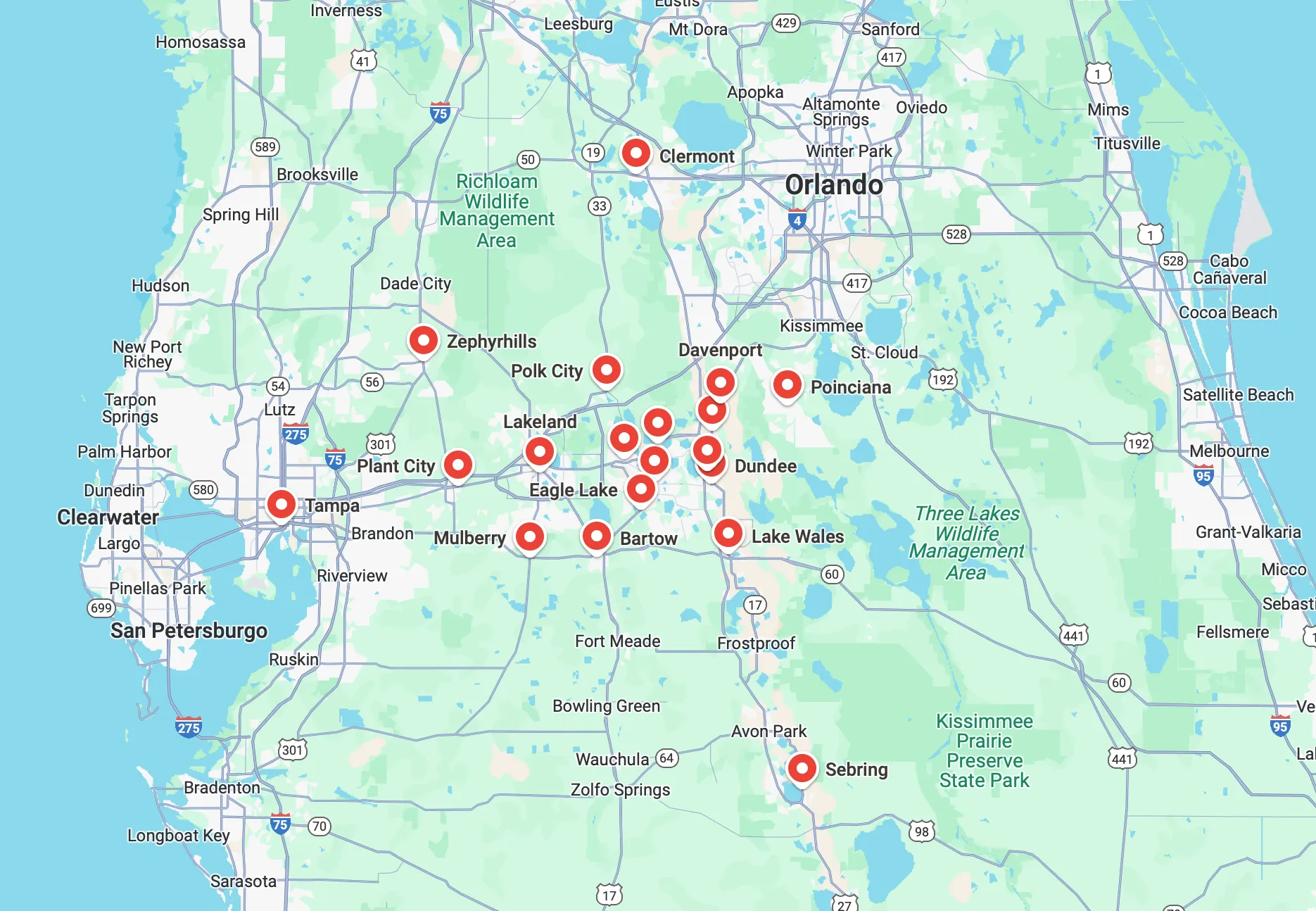
Service Areas