Residential Services in Auburndale, FL
A comfortable, reliable HVAC system is essential in Auburndale, FL where long, hot, humid summers and frequent thunderstorms put heavy demand on home cooling and dehumidification. Residential services in Auburndale, FL in Auburndale, FL cover everything homeowners need to keep systems running efficiently: installation and replacement, seasonal maintenance and tune-ups, emergency repairs, energy-efficiency upgrades, troubleshooting tips, and clear expectations for service visits. We will explain the common problems local homeowners face, how technicians diagnose and fix them, and what to expect when a service professional arrives.
Residential Services in Auburndale, FL in Auburndale, FL
A comfortable, reliable HVAC system is essential in Auburndale, FL where long, hot, humid summers and frequent thunderstorms put heavy demand on home cooling and dehumidification. Residential services in Auburndale, FL in Auburndale, FL cover everything homeowners need to keep systems running efficiently: installation and replacement, seasonal maintenance and tune-ups, emergency repairs, energy-efficiency upgrades, troubleshooting tips, and clear expectations for service visits. This page explains the common problems local homeowners face, how technicians diagnose and fix them, and what to expect when a service professional arrives.
Common residential HVAC issues in Auburndale homes
- Reduced cooling capacity during summer peak heat due to low refrigerant, dirty coils, or failing compressors
- High indoor humidity and mold growth from clogged condensate drains or undersized systems
- Short cycling and frequent on/off cycles from improper sizing, bad capacitors, or thermostat problems
- Uneven temperatures and hot or cold spots from leaky ducts, poor insulation, or imbalanced airflow
- Strange noises, burning smells, or frequent tripped breakers indicating electrical or motor issues
- Aging systems beyond their useful life leading to frequent breakdowns and rising energy bills
Residential service types and what they include
- System installation and replacement: professional load calculation, equipment selection (central AC, heat pump, ductless mini-split), ductwork assessment and any required modifications, refrigerant handling, electrical connections, and startup testing. Installations include efficiency and comfort optimization for Florida climate needs.
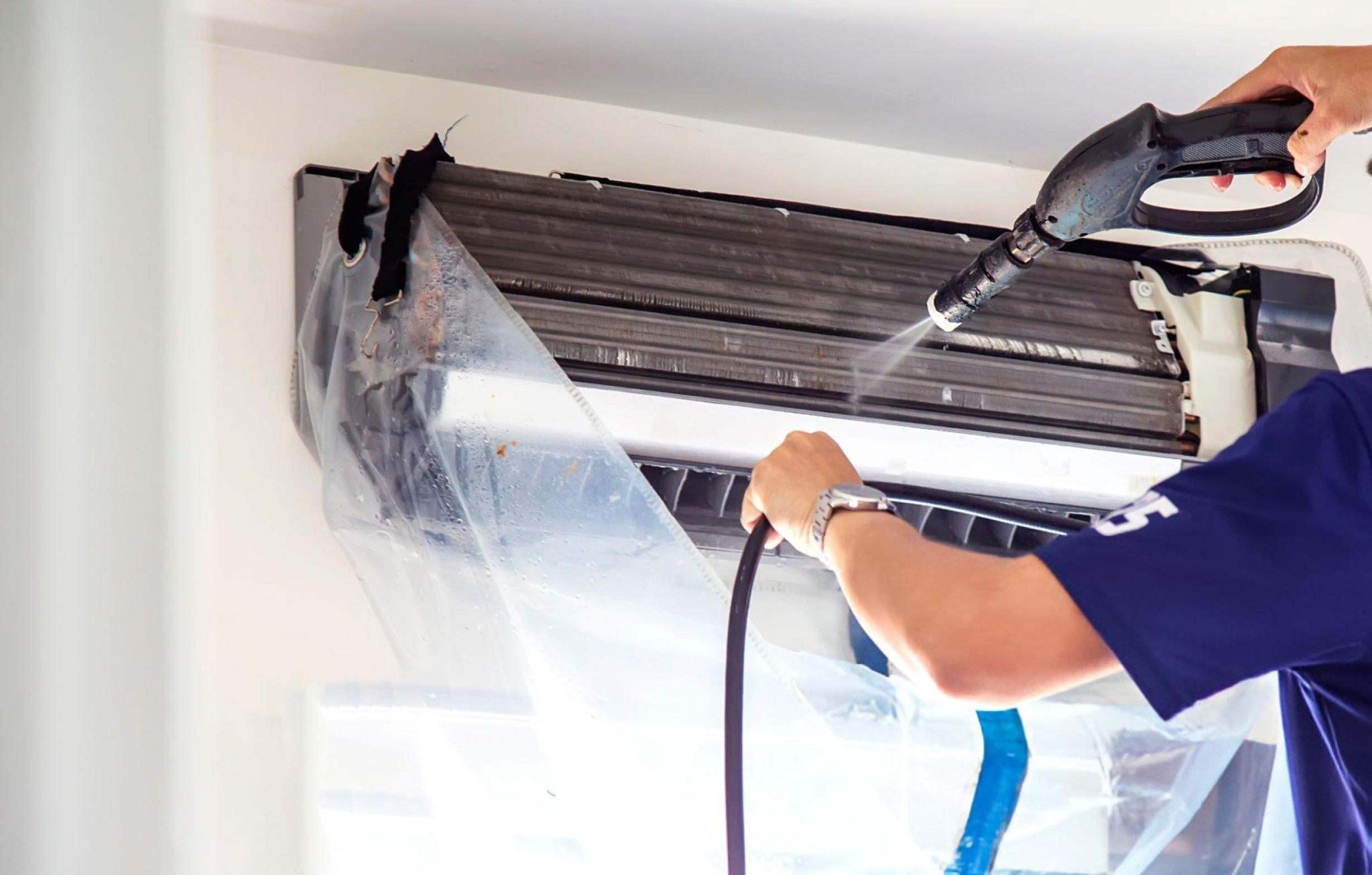
- Seasonal maintenance plans and tune-ups: scheduled spring and fall visits to clean coils and drains, change filters, check refrigerant pressure, test safety controls, inspect electrical components, lubricate moving parts, and verify thermostat accuracy. Plans often include priority scheduling and documented checklists.
- Emergency repair response: diagnosis and same-day or next-available repair of failed components, refrigerant leaks, compressor issues, or system shutdowns caused by storms or power problems. Technicians prioritize safety and restoring cooling quickly in extreme heat.
- Energy-efficiency upgrades: high-SEER replacements, variable-speed blowers, smart thermostats, zoning systems, duct sealing, insulation improvements, and ductless solutions for room additions or remodeled spaces. Upgrades are sized and selected to reduce runtime and control humidity.
- Indoor air quality services: UV lights, whole-home air purifiers, humidifiers/dehumidifiers, and filter upgrades to address pollen, mold, and humidity concerns prevalent in Central Florida.
Diagnostic and service process explained
- Arrival and safety check: technician confirms ID, reviews system history, and performs safety checks before power is applied.
- System inspection: visual and instrument-based evaluation of outdoor and indoor units, refrigerant pressures, electrical components, airflow, and thermostat operation.
- Diagnostics and estimate: clear explanation of findings, repair options versus replacement when appropriate, and an itemized recommendation for parts and labor.
- Repair or installation: skilled technicians perform necessary repairs or install new equipment to manufacturer specifications, including proper refrigerant charging, duct connections, and electrical wiring.
- Testing and cleanup: post-service performance tests verify operating temperatures, airflow, and humidity control. Work area is cleaned and service documentation provided.
Typical repairs and solutions
- Refrigerant leaks: locate and repair leak, evacuate and recharge system to correct charge, and test system under load.
- Electrical failures: replace capacitors, contactors, relays, or circuit protection devices; secure wiring and correct loose connections.
- Compressor or motor failures: replace components with properly matched parts and verify proper lubrication, alignment, and voltage.
- Drain blockages and water issues: clear condensate lines, inspect and replace PVC traps or float switches, and test drainage to prevent overflow and mold.
- Duct issues: seal leaks, add insulation, rebalance dampers, and modify airflow paths to eliminate hot spots and improve efficiency.Energy-efficiency upgrades that matter in Auburndale
- High-SEER air conditioners and heat pumps sized to local cooling loads for shorter run times and lower electric bills.
- Variable speed blowers and inverter-driven compressors that maintain steady temperatures and reduce humidity.
- Smart thermostats with scheduling and remote monitoring to cut wasted run time during peak pricing or when homes are unoccupied.
- Duct sealing and improved attic insulation to reduce heat gain common in Florida attic spaces.
- Ductless mini-splits for additions and rooms that need independent control without major ductwork.
Warranty and financing basics
- Most new equipment includes a manufacturer warranty covering parts for a specific period; labor warranties vary and may be offered separately. Extended and transferable warranties can add protection beyond the base term.
- Financing options for replacements and upgrades are commonly available through lenders and installers to spread costs over time. Typical arrangements include fixed monthly payments, deferred interest plans, or low-rate financing. Homeowners should review contract terms, length of financing, and warranty impact before committing.
What to expect during a service visit
- A professional technician arrives within an agreed window, identifies themselves, and reviews the service plan or inspection checklist.
- The technician inspects both indoor and outdoor components, performs diagnostic testing, and explains findings in plain language.
- If repairs are needed, the homeowner receives clear options and any necessary paperwork. For installations, the process includes removal of old equipment, system setup, duct and electrical work as needed, and performance testing.
- Technicians leave the home clean, record work performed, and provide maintenance recommendations tailored to the home and local climate.
Quick troubleshooting tips homeowners can try
- Check and replace the air filter every 1 to 3 months to prevent airflow restrictions.
- Verify thermostat settings and change batteries if the display is blank or unresponsive.
- Make sure outdoor unit has 2 to 3 feet of clearance and is free of debris after storms or landscaping work.
- Reset tripped breakers and check that disconnect switches near the outdoor unit are on.
- If you notice water under the indoor unit, shut off the system to avoid water damage and investigate condensate drain lines.
Final notes on long-term comfort and savings
Regular maintenance, correct sizing, and timely repairs extend the life of HVAC equipment and maintain comfortable indoor conditions in Auburndale homes. Given Central Florida humidity and summer heat, prioritizing humidity control and efficiency will reduce operating costs and limit moisture-related problems. A planned approach combining seasonal tune-ups, targeted upgrades, and informed repairs keeps systems reliable when you need them most.
Q: How often should I schedule maintenance for my HVAC system?
A: Plan for at least two tune-ups per year—spring for cooling and fall for heat pump checks—plus filter changes every 1 to 3 months depending on use and household factors.
Q: When should I replace instead of repair my HVAC system?
A: Consider replacement when repair costs are high relative to system value, the unit is more than 10 to 15 years old, efficiency is low, or frequent breakdowns disrupt home comfort.
Q: Will a new high-SEER unit reduce my humidity problems?
A: Yes, modern high-SEER units with variable speed compressors and properly sized systems control humidity better than older single-speed units, especially when combined with correct ductwork and airflow.
Q: Are financing and extended warranties necessary?
A: Financing helps spread the cost of major replacements; extended warranties can protect against unexpected expenses. Review terms carefully to match coverage with your risk tolerance and budget.
Q: What should I do if my system stops cooling during a heatwave?
A: Check filters, thermostat settings, breaker panels, and outdoor unit airflow. If those are normal, seek professional diagnosis to address refrigerant, compressor, or electrical failures quickly to avoid heat stress and further damage.

Customer Testimonials

Service Areas