Whole House Air Filtration in Lake Hamilton, FL
IAQ Whole-House Air Filtration in Lake Hamilton, FL
Keeping indoor air clean in Lake Hamilton homes requires solutions built for Florida’s climate: high humidity, year‑round air conditioning use, seasonal pollen, and occasional storm-driven particulates. An IAQ whole-house air filtration system treats all conditioned air moving through your HVAC, reducing allergens, dust, mold spores, and odors throughout the living space.
.webp)
Why whole-house filtration matters for Lake Hamilton, FL
Lake Hamilton’s subtropical climate influences common indoor air quality (IAQ) problems:
- High humidity encourages dust mites and mold growth in ducts, attics, and building materials.
- Spring and fall bring high pollen counts from oak, pine, and grasses that penetrate homes.
- Proximity to lakes can contribute organic odors and higher humidity loads that worsen air quality.
- Hurricane season and summer storms can introduce dust, debris, and increased moisture into HVAC systems.
A properly specified whole-house filtration system treats all conditioned air, not just the air near one portable purifier. That reduces allergen loads, helps prevent mold colonization in the HVAC system, and limits dust and odor distribution throughout the home.
Common IAQ issues in Lake Hamilton homes
- Persistent musty or “lake” odors and mildew smells
- Seasonal allergy flare-ups from pollen and spores
- Rapid dust buildup on surfaces despite regular cleaning
- Reduced HVAC performance from clogged filters and coils
- Post-storm dust and particulate intrusion after high winds or construction
Understanding the local patterns helps select the right combination of filtration media and maintenance schedule.
Types of whole-house filtration and filter ratings
Whole-house filtration options vary by particle size removed, pressure drop, and compatibility with your HVAC system. Key types and ratings:
- MERV-rated media filters (MERV 8–13 are common)
- MERV 8: Effective for pollen, dust, and lint; low pressure drop; good as a baseline.
- MERV 11–13: Capture finer particles, including smaller pollen, some mold spores, and pet dander. MERV 13 approaches the performance needed for smoke and fine particulates.
- True in-duct HEPA systems
- HEPA removes 0.3 micron particles at 99.97% efficiency but requires systems designed for higher static pressure or a bypass/recirculation duct to avoid overloading the blower.
- Activated carbon or catalytic media
- Targets odors, VOCs, and organic gases—useful for lake odors, cooking smells, and off-gassing from new materials.
- UV-C and photocatalytic systems
- Reduce biological growth on coils and in drain pans; UV is not a particle filter but complements filtration to control microbial sources in humid climates.
- Electronic air cleaners and electrostatic precipitators
- Effective for a wide range of particle sizes; require periodic cleaning of collector cells and assessment for ozone generation.
Filter selection balances capture efficiency with acceptable static pressure so your HVAC blower operates efficiently without strain.
Diagnostic process and integration with existing HVAC
A professional assessment ensures the whole-house filter integrates safely and effectively:
- System inspection: measure existing filter size, cabinet space, coil condition, and blower capacity.
- Duct evaluation: check for leaks, insulation gaps, and microbial growth; sealing and insulation often improve IAQ and efficiency.
- Static pressure and airflow testing: ensure the selected filter or HEPA solution won’t create excessive pressure drop that reduces airflow or damages the blower.
- Equipment matching: determine if you need a media retrofit, a dedicated HEPA bypass, UV installation, or activated carbon modules.
Integration is typically done at the return-air plenum or inside the air handler. In Lake Hamilton homes that run AC most of the year, ensuring minimal pressure penalties is critical to maintain comfort and system life.
Installation, commissioning, and maintenance
Typical installation steps:
- Pre-installation assessment and filter/media selection
- Duct sealing and basic coil cleaning if required
- Installation of filter frames, media cartridges, or HEPA/bypass units
- Adding carbon modules or UV where needed
- Commissioning: measure airflow, static pressure, and verify correct sealing and orientation
Maintenance essentials for Florida homes:
- Check prefilters monthly during high AC use; replace or clean as needed
- Change primary media filters on a schedule (see next section)
- Clean HVAC coils and drain pans annually or more often if you see biological growth
- Replace UV bulbs annually and clean electronic cells per manufacturer guidance
- Keep a maintenance log to track changes, observed dust loads, and any odor or symptom improvements
Filter ratings and replacement schedules (Lake Hamilton guidance)
Replacement frequency depends on filter type, household factors, and local conditions:
- Basic fiberglass or MERV 6–8 pleated filters: replace every 60–90 days, more often if pets or heavy pollen.
- MERV 11 filters: typical replacement every 3 months; in high pollen season or heavy use, check monthly.
- MERV 13 media filters or whole-house pleated cartridges: replace every 6–12 months depending on load and runtime; inspect quarterly during pollen season.
- In-duct true HEPA systems: HEPA media typically inspected annually; final replacement intervals depend on system design—pre-filters usually replaced every 3–6 months to protect the HEPA.
- Activated carbon cartridges: replace every 3–6 months for odor control, depending on exposure levels.
- Electronic air cleaner cells: clean every 1–3 months; frequency increases with dust and pollen loads.
Because Lake Hamilton homes often run air conditioning most of the year, expect filters to load faster than in climates with intermittent use.
Warranty and service expectations
Manufacturer warranties vary by component:
- Filters and media: typically covered against defects; no guarantee on service life since it depends on environmental load.
- Mechanical components and housings: warranties commonly range from 1–5 years depending on brand.
- UV lamps and electronic cells: usually have limited warranties; bulbs often excluded due to consumable nature.
Professional installation often preserves full warranty coverage for equipment. Keep records of installation, commissioning, and routine maintenance to support warranty claims. Regular service visits also prolong system life and maintain IAQ performance.
What improvements to expect
A professionally specified IAQ whole-house filtration system in Lake Hamilton commonly delivers:
- Measurable reduction in household dust and visible particulates
- Fewer allergy symptoms and less visible pollen on surfaces during peak seasons
- Reduced odors and VOC levels when carbon media is included
- Lower risk of biological growth on coils when UV is paired with filtration
- Improved HVAC efficiency and longer component life when filters are sized and replaced correctly
Results vary by home construction, occupancy, pets, and outdoor exposure, but homeowners in Lake Hamilton typically observe noticeable improvements within weeks after installation.

Customer Testimonials

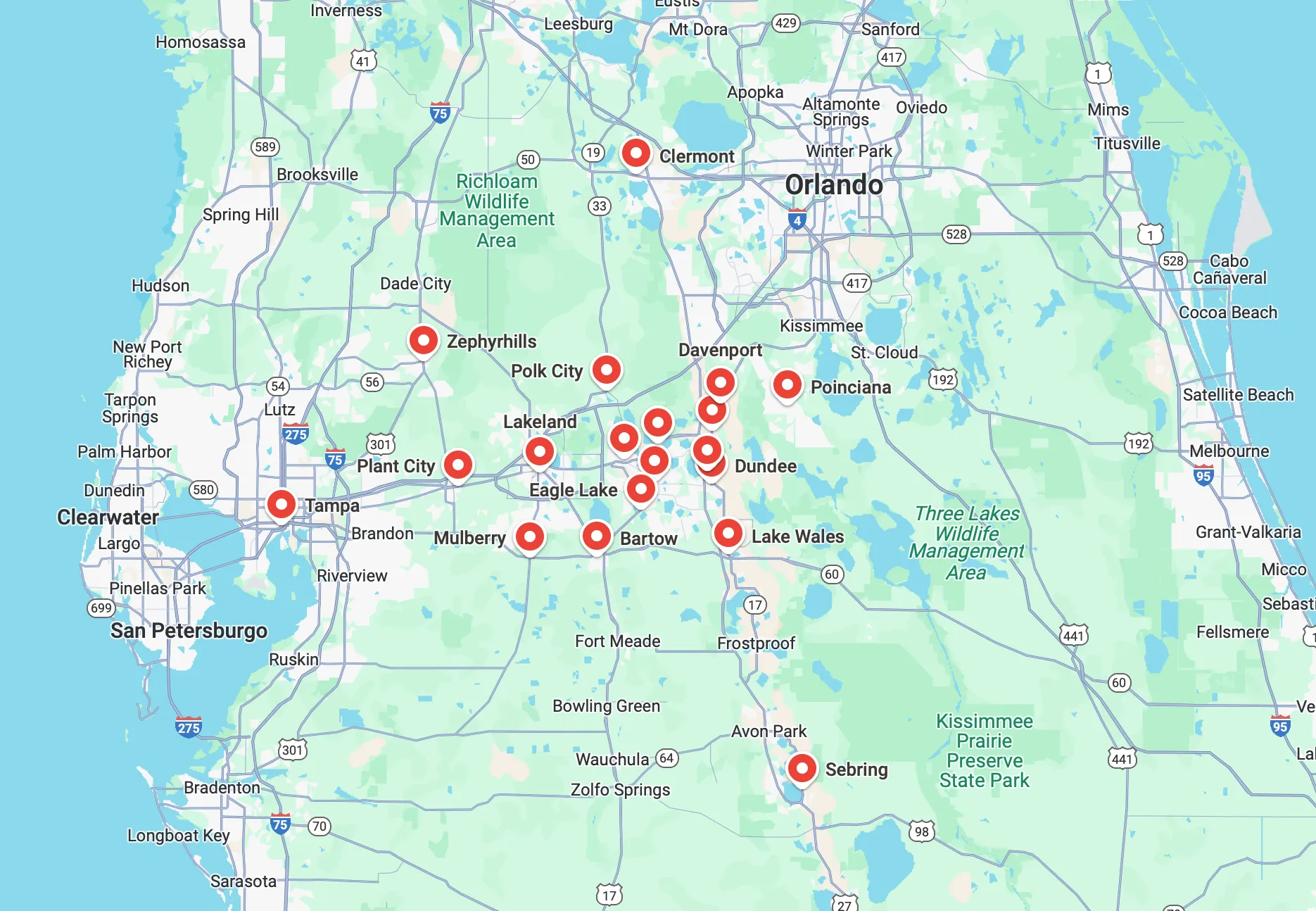
Service Areas