Whole House Dehumidification in Tampa, FL
IAq Whole-House Dehumidification in Tampa, FL
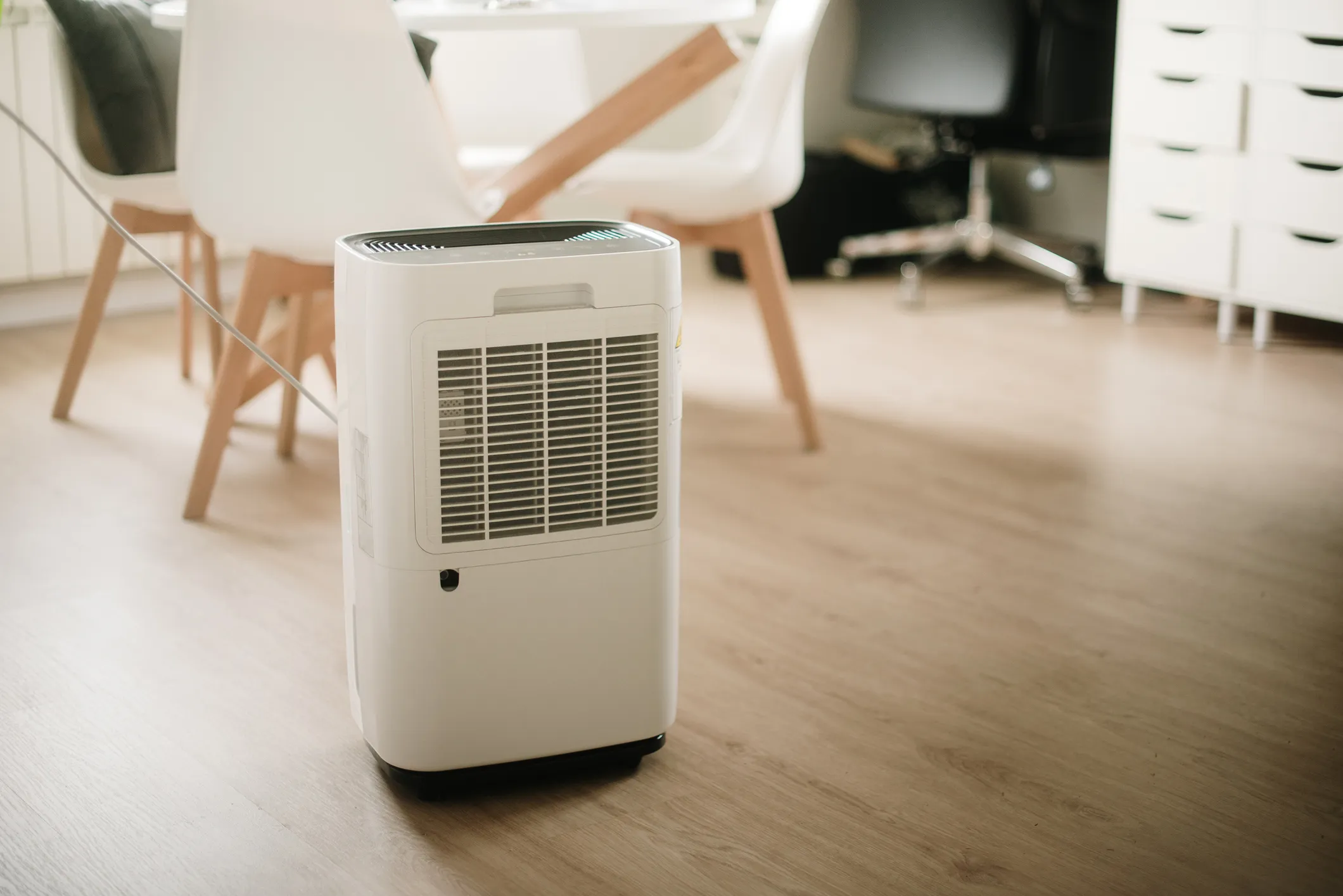
High humidity is one of the biggest comfort and health problems for Tampa homes. An IAq whole-house dehumidification system reduces indoor humidity, lowers mold and allergy risk, improves comfort, and helps your HVAC run more efficiently.
Why whole-house dehumidification matters in Tampa, FL
Tampa has a subtropical climate with high humidity most of the year, especially during summer and the extended rainy season. Outdoor dew points are often high, and even with air conditioning, indoor relative humidity (RH) can stay elevated. High indoor RH in Tampa homes leads to:
- Increased mold and mildew growth on walls, attics, and in closets
- Musty odors and damaged wood, finishes, and stored goods
- Poor comfort even when temperature is controlled
- Longer AC runtimes and higher energy use as systems remove latent load inefficiently
- Greater risk of dust mite proliferation and allergy symptoms
An IAq whole-house dehumidifier targets these issues by controlling indoor moisture across every room, not just localized areas. For Tampa homes that experience persistent humidity above 60 percent RH, whole-house solutions are a practical, long-term risk reduction strategy.
Common IAq whole-house dehumidification issues in Tampa homes
Homeowners in Tampa typically see the following signs that dehumidification is needed:
- Condensation on windows, especially in the morning
- Persistent musty smells in basements, attics, or closets
- Visible mold spots or mildew on drywall, grout, or baseboards
- Feeling clammy indoors despite cool air
- HVAC short-cycling or long run times without reaching comfort
- High humidity readings on a hygrometer (above 55 to 60 percent RH)
These problems are often driven by high outdoor humidity, inadequate ventilation, poor attic or crawlspace moisture control, and undersized or poorly configured AC systems.
How IAQ whole-house dehumidification works and HVAC integration
IAQ whole-house dehumidifiers remove moisture from the air using refrigeration-based coils, desiccant systems, or integrated heat-pump designs, then distribute drier air through your home’s existing ductwork. Key integration points include:
- Duct-mounted or bypass-mounted installation with the central air handler
- Dedicated dehumidifier unit connected to condensate drain and electrical supply
- Smart or standalone humidistat control that responds to set RH levels independently of thermostat temperature
- Compatibility with HVAC controls so the dehumidifier works with cooling cycles for maximum efficiency
In Tampa, an integrated approach-where the dehumidifier is matched to the HVAC system and controlled by a humidistat or IAQ controller-prevents the common problem of the air conditioner cooling but not sufficiently removing moisture.
Typical installation steps
Installation for IAQ whole-house dehumidification generally follows a predictable, inspection-driven process to ensure proper sizing and performance:
Pre-install assessment
- Measure square footage, ceiling height, and existing duct layout
- Check attic and crawlspace conditions, insulation, and sources of infiltration
- Take baseline humidity readings and identify moisture sources
Sizing and selection
- Select a unit sized by moisture load, not just home size, accounting for Tampa climate and occupancy patterns
- Choose a unit with appropriate drainage, electrical requirements, and integrated control options
Mechanical installation
- Mount the unit at the air handler or in a central duct location
- Connect to condensate drain, ensure slope and trap-free routing
- Wire controls and humidistat to work with or alongside the main thermostat
Commissioning and balancing
- Calibrate the humidistat, verify setpoints, and test operation during cooling and non-cooling modes
- Balance airflow so dehumidified air reaches living spaces evenly
- Provide homeowner training on controls, setpoints, and maintenance items
A professional install avoids common mistakes such as undersized drain lines, poor airflow balance, or inappropriate humidistat placement.
Maintenance, troubleshooting, and lifespan
Routine care keeps an IAQ whole-house dehumidifier operating efficiently and extends service life. Typical maintenance items include:
- Clean or replace air filters every 3 months or per manufacturer recommendations
- Inspect condensate drain and trap quarterly for clogs; clear and sanitize drip pans annually
- Verify humidistat calibration and adjust RH setpoint seasonally for comfort and mold prevention
- Annual professional inspection to check refrigerant levels (for refrigeration-based units), coil cleanliness, and electrical connections
Common troubleshooting items specific to Tampa:
- Clogged condensate drains after heavy storms or when outdoor dirt infiltrates systems
- High indoor RH despite operation due to open doors/windows during humid weather or attic/crawlspace moisture sources
- Short cycling if airflow is restricted by dirty coils or filters
Expect a well-maintained whole-house dehumidifier to last 10 years or more, depending on use intensity and unit quality.
Energy considerations for Tampa homes
Energy is a major factor when deciding on whole-house dehumidification. Key points to evaluate:
- Dehumidification reduces the latent load on your AC, often allowing the system to achieve comfort at a slightly higher thermostat setting, which can save cooling energy overall.
- Look for high-efficiency units with energy-efficient fans and variable-speed compressors or ECM motors. Seasonal energy factor (SEF) or similar ratings can help compare performance.
- Optimal RH setpoint in Tampa is typically between 45 and 55 percent. Keeping RH lower than 45 percent can feel dry and is rarely necessary; aiming at 50 percent balances comfort, mold prevention, and energy use.
- Properly sized dehumidifiers avoid excessive run time and inefficiency. Oversized units can short cycle; undersized units will run continuously without reaching setpoint.
- Consider integrated controls that maximize run-time during off-peak hours when local electricity costs are lower and use smart humidity scheduling to reduce runtime during milder months.
A correctly specified IAQ whole-house dehumidifier can lower overall HVAC costs in Tampa by reducing the need for prolonged cooling cycles driven by latent load.
Benefits summary and what to expect
An IAQ whole-house dehumidification system in Tampa, FL delivers measurable benefits for homes dealing with high humidity:
- Lower mold and mildew risk and better indoor air quality
- More consistent comfort and reduced clamminess at higher thermostat settings
- Protection for woodwork, electronics, and stored items from moisture damage
- Better HVAC efficiency by addressing latent load directly
- Centralized humidity control for the whole home rather than relying on portable units

Customer Testimonials

Service Areas