Home Air Filtration in Tampa, FL
IAQ Home Air Filtration in Tampa, FL
Clean indoor air is a health and comfort priority for Tampa homes. IAQ Home Air Filtration in Tampa, FL explains how whole-home filtration systems remove pollen, mold spores, sea-salt aerosols, cooking smoke, pet dander, and volatile organic compounds (VOCs) that are common in the region.
Why whole-home filtration matters in Tampa
Tampa’s warm, humid climate combined with abundant landscaping and coastal air creates unique indoor air challenges:
- High humidity encourages mold, mildew, and dust mites.
- Pollen season produces heavy allergen loads for many residents.
- Salt air and coastal aerosols can carry corrosive particles into HVAC systems.
- Occasional wildfire smoke or seasonal grilling increases fine particulate matter.
A whole-home IAQ filtration system treats the entire house through the central HVAC, delivering consistent filtration to every room and reducing reliance on portable units. Benefits include improved respiratory comfort, reduced allergy symptoms, less dust build-up, and slower accumulation on HVAC coils and duct surfaces.
Common IAQ Home Air Filtration issues in Tampa
Homeowners in Tampa commonly face:
- Rapid filter loading due to pollen, coastal dust, and high particulate counts.
- Mold or musty odors from moisture in ductwork and poorly drained attic units.
- Corrosion or reduced lifespan of sensitive components in coastal homes.
- Ineffective filtration when improperly sized filters create excessive pressure drop and reduce airflow.
- VOCs and odors from cleaning products, paints, or off-gassing building materials.
Understanding these local risks helps choose the right system and maintenance plan.
Filtration technologies and what they remove
Choosing the right technologies depends on the pollutants you want to target. Common options used in whole-home systems include:
- MERV-rated mechanical filters (MERV 8 to MERV 13+)
- MERV 8: Good for large particles like dust and pollen.
- MERV 11-13: Recommended for Tampa homes aiming to reduce fine particles like smoke, pet dander, and many pollen fragments.
- Higher MERV ratings can capture finer particles but may increase system pressure drop if the HVAC system isn’t sized for them.
- HEPA-grade filtration
- True HEPA removes 99.97% of particles 0.3 micron and larger. Typically requires a dedicated bypass unit or retrofit to prevent excessive airflow restriction in standard HVAC systems.
- Activated carbon filters
- Adsorb odors and VOCs from cooking, paints, and off-gassing. Useful in homes with persistent smells or chemical sensitivities.
- UV-C germicidal lamps
- Installed at the coil or air handler to reduce microbial growth on coil surfaces and in the drain pan, lowering mold spore release into supply air.
- Electronic air cleaners and electrostatic precipitators
- Capture particles through electrostatic attraction. They can be effective for fine particles but require regular cleaning and choose corrosion-resistant materials in coastal areas.
- Whole-house ventilators and energy recovery ventilators (ERVs)
- Provide controlled fresh-air exchange while managing humidity and energy use, helpful in Tampa’s humid climate when balanced ventilation is desired.
Note: Avoid ozone-generating “air purifiers” for occupied homes. They can cause respiratory irritation and are not recommended for residential IAQ solutions.
Installation and sizing considerations for Tampa homes
Proper sizing and installation are critical to performance and equipment longevity:
- HVAC compatibility and airflow
- Verify the existing system’s fan capacity and static pressure tolerance. High-efficiency or HEPA-level filters can increase resistance; professional measurement of system CFM and static pressure helps avoid airflow loss.
- Filter location and integration
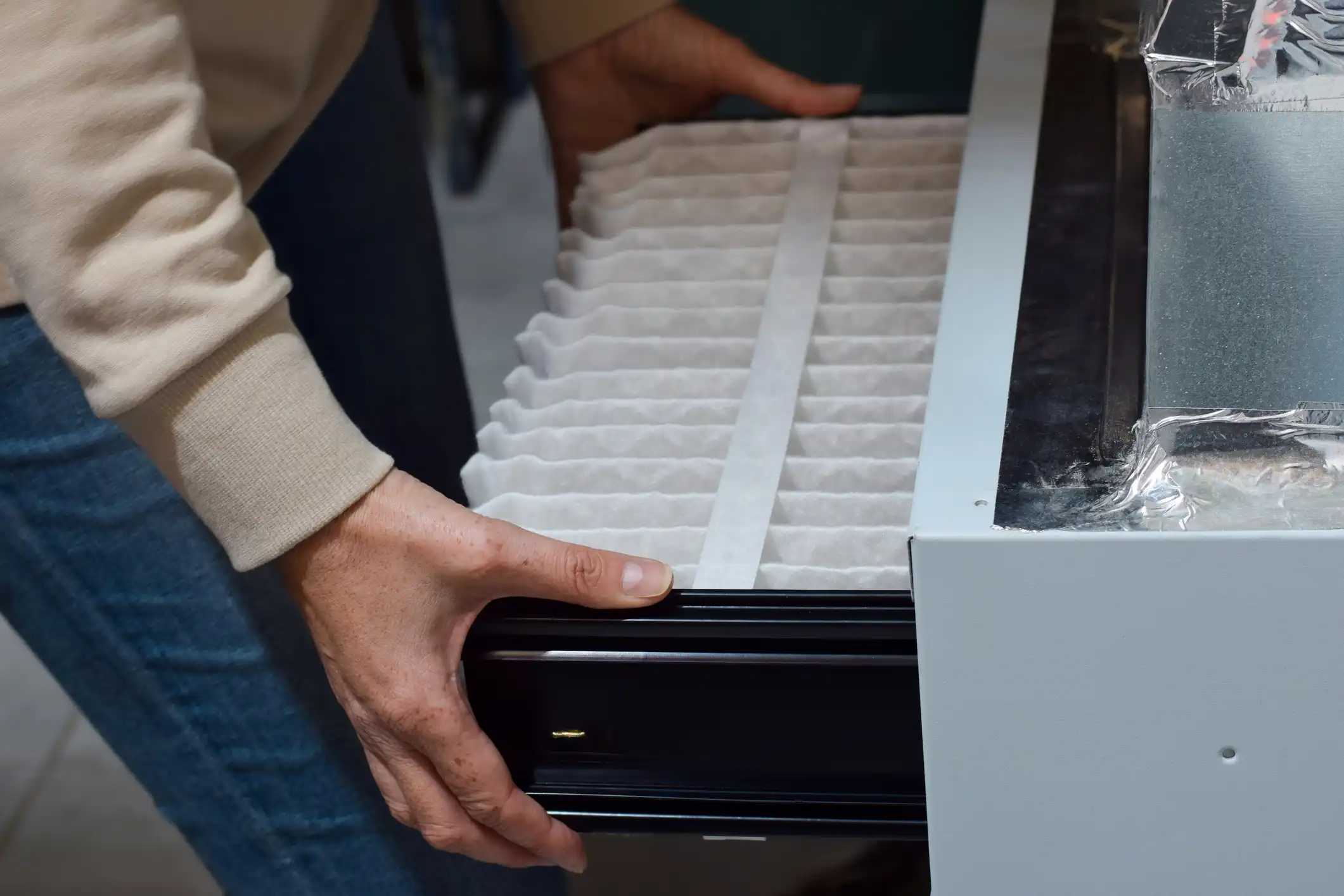
- Whole-home filters are typically installed at the return plenum or at the air handler. Some advanced systems require a bypass duct or standalone in-duct unit to maintain proper airflow.
- Duct sealing and layout
- Leaky ducts reduce system effectiveness. Sealing and insulating ducts, especially in humid attics common in Tampa, prevents moisture intrusion and energy waste.
- Corrosion-resistant components
- Choose materials and coatings rated for coastal air to avoid premature failure of metal parts and electronic components.
- Load assessment and ACH goals
- A professional load and air exchange assessment determines the number of air changes per hour (ACH) appropriate for your home, guiding filter and fan selection.
Typical installation process:
- Evaluate existing HVAC capacity, duct condition, and indoor pollutant sources.
- Measure static pressure and airflow to determine acceptable filter specifications.
- Select filtration technologies (mechanical, carbon, UV) tailored to pollutant profile.
- Integrate system with minimal leakage and verify performance post-installation.
Maintenance and filter replacement in Tampa conditions
Maintenance keeps performance high and warranties valid. In Tampa’s climate expect:
- More frequent filter changes: High pollen, humidity, and particulate loads often require replacing mechanical filters every 1 to 3 months for MERV 8-11; higher-efficiency filters may need monitoring and replacement on a schedule recommended by the manufacturer or professional installer.
- Activated carbon media: Replace per manufacturer guidance, often every 6 to 12 months depending on odor load.
- UV-C lamps: Replace annually or per lamp life specifications to ensure germicidal effectiveness.
- Electronic air cleaners: Clean collector cells or plates regularly (monthly to quarterly) and inspect for salt buildup; rinse and dry per manufacturer instructions.
- Duct and coil inspections: Annual duct and coil checks reduce mold risk; in humid climates, ensure drain pans are clear and sloped for drainage.
Install a maintenance log and follow manufacturer procedures. In Tampa, proactive service prevents microbial growth and extends equipment life.
Warranty considerations
Warranties vary by manufacturer and model, but common terms include:
- Coverage for defects in materials and workmanship for a specified period, with longer warranties for major components.
- Requirements to use specified filter types and adhere to maintenance schedules to keep warranties valid.
- Voiding conditions: improper installation, use of non-recommended filters, failure to follow maintenance schedules, and unauthorized modifications.
To preserve warranty coverage:
- Register equipment with the manufacturer when required.
- Keep records of professional installation and routine maintenance.
- Replace filters and consumables with approved parts.
Long-term benefits for Tampa homeowners
A properly designed and maintained IAQ Home Air Filtration system:
- Reduces allergy and asthma triggers common in Tampa.
- Lowers cleaning frequency by trapping airborne dust and dander.
- Protects HVAC equipment and improves system efficiency when pressure drop is managed.
- Reduces odors and VOCs that can accumulate in humid, coastal environments.
- Helps preserve indoor comfort and health, particularly during high-pollen seasons and periods of elevated smoke or pollution.
Choosing the right whole-home filtration solution for a Tampa residence requires balancing particle removal, airflow, corrosion resistance, and routine maintenance. With correct sizing, technology selection, and upkeep tailored to Tampa’s climate and pollutant profile, whole-home IAQ filtration delivers measurable improvements in comfort and indoor air quality.

Customer Testimonials

Service Areas