Whole Home Humidifiers in Tampa, FL
IAQ Whole-Home Humidifiers in Tampa, FL
Whole-home humidification with IAq systems stabilizes indoor humidity across every room by working with your central HVAC. In Tampa, FL, where coastal weather, high seasonal humidity, and year-round air conditioning create unique indoor moisture dynamics, an IAQ Whole-Home Humidifier helps maintain comfortable, healthy air while protecting woodwork, electronics, and family respiratory comfort.
.webp)
Why IAQ Whole-Home Humidifiers matter in Tampa
- Tampa summers are humid outdoors but heavy air conditioning often drives indoor relative humidity below the ideal 30–50% range. Low indoor humidity causes dry skin, irritated sinuses, static shocks, and increased susceptibility to respiratory viruses.
- Coastal salt air and fluctuating temperatures can accelerate wear on wood floors, trim, and musical instruments. Proper indoor humidity protects these assets.
- IAQ humidifiers distribute moisture evenly through ductwork so every room gets balanced humidity, unlike portable humidifiers that are noisy, high-maintenance, and limited in coverage.
Common IAQ Whole-Home Humidifier issues in Tampa, FL
- Low or uneven humidity in certain rooms: Often caused by duct imbalances, zoning, or improper humidistat placement.
- Mineral buildup and white dust: Tampa’s water hardness can cause scale in media or steam models if not addressed with proper water treatment or regular maintenance.
- Condensate or drainage problems: High outdoor humidity and AC runoff can complicate drainage lines near the furnace or air handler.
- Corrosion and component wear: Coastal salt exposure and humid climates can accelerate corrosion on exposed parts if non-resistant materials are used.
- Control and integration faults: Miswired humidistat, conflicts with smart thermostats, or improper sequencing with dehumidification can cause on/off cycling or ineffective control.
Types of IAQ Whole-Home Humidifiers and which fits Tampa homes
- Bypass humidifiers: Use the HVAC blower and fresh airflow through a water-soaked pad to evaporate moisture. Best when you have a reliable continuous airflow and existing ducting. Energy-efficient and quiet.
- Fan-powered humidifiers: Include an internal fan to force air through the wetted element. They provide faster humidification and are better for larger homes or when the HVAC fan cycles intermittently.
- Steam humidifiers: Electrically produce steam and inject it directly into the duct; ideal for rapid, precise control in larger or tightly sealed homes, or where outdoor conditions or zoning require faster response.
- IAQ-compatible smart control modules: Humidistats and integrated controls that communicate with your thermostat let you set target humidity and account for outdoor conditions, preventing over-humidification on muggy Tampa days.
Installation and integration with existing HVAC systems
- Site assessment: A technician measures current indoor relative humidity with a calibrated hygrometer, inspects duct layout, checks airflow, and evaluates water supply and drain access. In Tampa, particular attention is paid to AC condensate routing and any corrosion-prone areas.
- Sizing and selection: Proper humidifier sizing depends on home square footage, airtightness, and HVAC capacity. Undersized units underperform; oversized units can stress controls.
- Mounting and ductwork connection: IAQ humidifiers typically mount on or near the air handler or the main trunk duct. Installation includes a water feed line with a shutoff valve, a condensate/drain connection if applicable, and electrical or low-voltage wiring to the humidistat and HVAC control.
- Controls and sequencing: Humidistats are placed where they measure representative indoor air, not too close to vents or exterior walls. Smart integration configures the humidifier to work with thermostat schedules and dehumidification systems so humidification only runs when appropriate.
- Water quality and treatment: In Tampa, where tap water may cause mineral buildup, the installer may recommend anti-scale pads, a water softener line, or a humidifier model with easy-replace media to reduce maintenance.
Diagnostic checklist technicians use in Tampa homes
- Measure baseline indoor humidity and record outdoor conditions.
- Inspect humidistat placement and control wiring for faults or misconfiguration.
- Check humidifier pad/matrix for scale and replace if clogged.
- Verify water inlet pressure and look for leaks at fittings.
- Confirm condensate drains flow freely and are routed to appropriate drains that won’t back up during heavy AC use.
- Inspect surrounding ductwork and air handler for corrosion or moisture pooling.
- Review HVAC fan runtime and zoning behavior to ensure consistent airflow.
Maintenance schedule and best practices
- Monthly: Visual inspection during peak use; confirm humidifier is cycling correctly and there are no leaks or water pooling.
- Every 3–12 months: Replace or clean humidifier pads/media depending on model and water hardness. In Tampa, plan for closer to every 3–6 months if water is hard or if you run the system constantly during winter or transitional seasons.
- Annually: Complete system inspection before the cooler months when you may need humidification most. Include cleaning, checking electrical connections, testing humidistat calibration, and verifying drainage integrity.
- Water treatment: Use manufacturer-recommended anti-scale cartridges or consider point-of-use treatment if mineral buildup is persistent.
- Control checks: Recalibrate or reposition humidistats if occupants report uneven humidity between rooms or unexpected cycling.
Expected comfort, health, and home-benefit outcomes
- Improved respiratory comfort: Maintaining indoor humidity in the 35–45% range reduces dry throat and sinus irritation and helps mucous membranes better resist viruses and allergens.
- Better sleep and reduced static: Stable humidity lessens night-time throat dryness and decreases static shocks that can bother electronics and fabrics.
- Preserved home materials: Wood floors, doors, trim, and musical instruments are less likely to crack or warp when humidity is controlled, extending their lifespan and reducing repair costs.
- Energy harmony with HVAC: Proper humidification can allow slightly lower thermostat settings in winter while maintaining comfort, potentially improving perceived comfort without excessive heating.
- Reduced reliance on portable devices: Whole-home IAQ systems eliminate the noise, refill chores, and uneven coverage of single-room humidifiers.
Why professional IAQ humidifier service matters in TampaIAq Whole-Home Humidifiers are effective only when sized, installed, and maintained correctly. Tampa’s climate and coastal environment bring specific challenges-potable water mineral content, frequent AC use, and corrosive salt air-that skilled installation and a tailored maintenance plan address. Regular professional inspections prevent scaling, drainage problems, and control conflicts while keeping humidity in the optimal range for health and home preservation.
Maintenance summary
- Inspect monthly, service media every 3–12 months based on water quality, and schedule an annual full-check before peak use seasons.
- Use manufacturer-approved parts and treatments to avoid premature failure.
- Ensure humidistat placement and HVAC integration are optimized for even coverage and efficient operation.
An IAQ Whole-Home Humidifier tuned for Tampa homes stabilizes indoor humidity, protects your home and belongings, and improves comfort and health without the hassles of portable units. Proper installation, routine maintenance, and control integration are the keys to consistent performance in Tampa’s unique climate.

Customer Testimonials

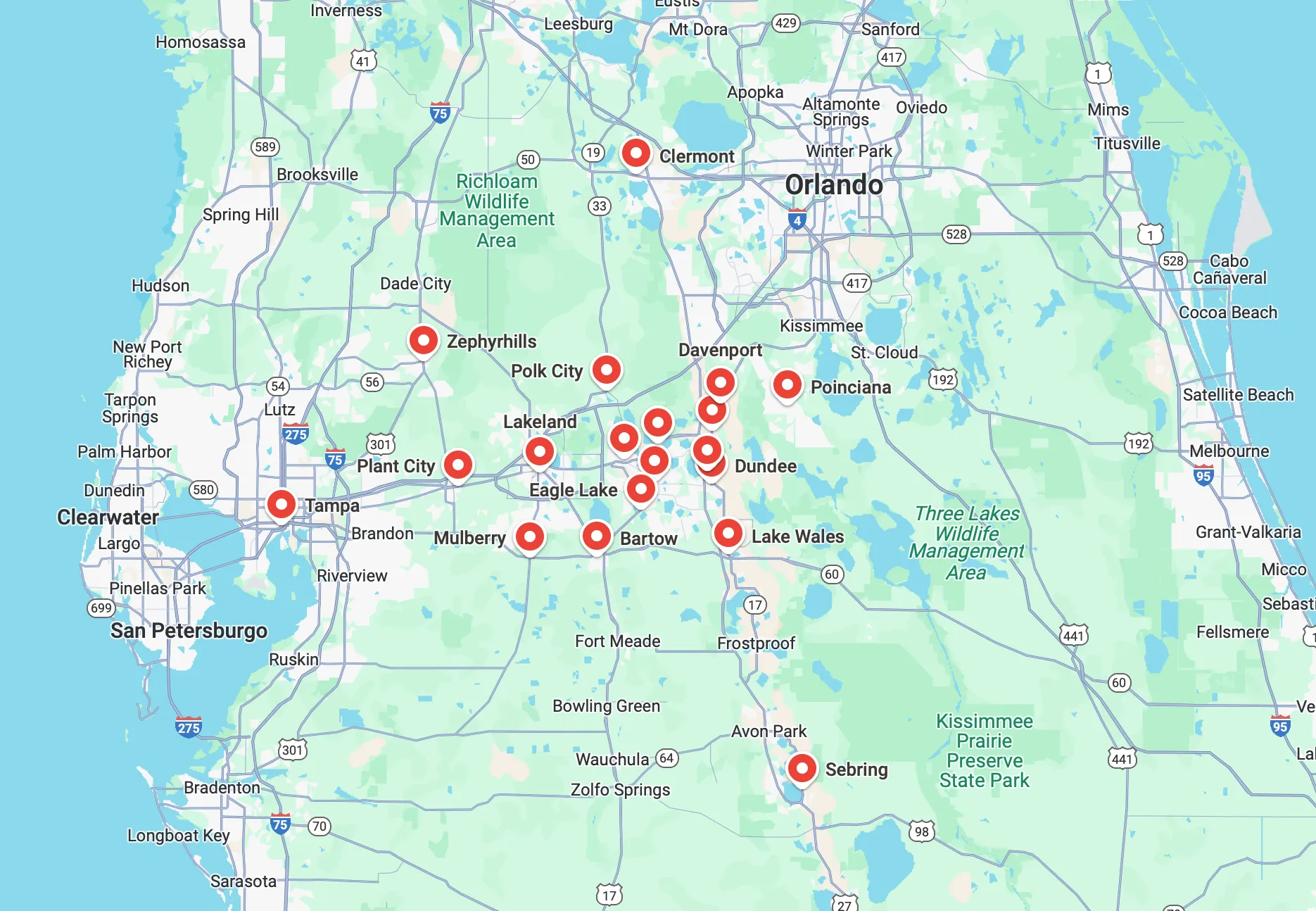
Service Areas