Household Air Quality Testing in Tampa, FL
IAq Air Quality Testing in Tampa, FL
Indoor air quality (IAQ) testing in Tampa, FL is essential for homeowners who want clear, evidence-based answers about what they and their families are breathing. Tampa's warm, humid climate, frequent storms, and salt air combine with local allergens and older building stock to create common indoor air challenges: elevated humidity and mold, high particulate levels during wildfire or construction events, and VOCs from building materials and household products. IAq Air Quality Testing in Tampa, FL focuses on measuring the key contaminants that affect comfort, health, and property value, then translating results into practical, prioritized improvements tailored to Tampa homes.

What IAQ tests are performed
- Particulates (PM2.5 and PM10)
- Continuous monitoring of particulate matter to capture short-term spikes and daily averages. PM2.5 is especially important for respiratory and cardiovascular health.
- Volatile Organic Compounds (VOCs)
- Air sampling for total VOCs (TVOCs) plus targeted analysis when needed for formaldehyde, benzene, and other common indoor chemicals from paints, adhesives, composite wood, and cleaning products.
- Humidity and CO2
- Continuous logging of relative humidity and carbon dioxide to evaluate moisture control and ventilation effectiveness. Elevated humidity and CO2 are common drivers of mold growth and poor ventilation in Tampa homes.
- Optional/add-on tests
- Mold spores through air or surface sampling when visible mold, musty odors, or recent flood/water intrusion is suspected.
- Allergen screening (pollen, pet dander) and targeted contaminant testing when specific concerns are present.
Common IAQ issues in Tampa homes
- High indoor humidity leading to mold and dust mite growth, especially after summer rainstorms or in homes with inadequate dehumidification.
- Elevated particulate levels during local construction, yard burning, or regional wildfire smoke events that drift in and infiltrate homes near major roads.
- VOCs from recent renovations, new cabinetry, carpet, and furnishings; Florida homes often use composite materials that can off-gas under heat and humidity.
- Poor ventilation indicated by high CO2 readings during occupied periods, common in energy-efficient or tightly sealed homes without balanced ventilation systems.
- Salt-laden air and coastal moisture that accelerate material degradation and can complicate mold containment and remediation.
The IAQ testing process in Tampa, FL
1. Initial intake and walkthrough
- A brief on-site walkthrough documents building layout, recent water events, visible mold or damage, HVAC type, and occupant concerns. This context guides sensor placement and sampling strategy.
2. Sensor placement and continuous monitoring
- Real-time monitors for PM2.5/PM10, CO2, and relative humidity are placed in living spaces for 24 to 72 hours to capture typical occupancy cycles, cooking events, and HVAC operation. Longer monitoring may be recommended after storms or remediation.
3. Targeted air sampling
- VOC samples are collected using sorbent tubes or canisters and sent to a certified lab for compound-specific analysis. When mold is suspected, air spore traps and surface swabs can be taken.
4. Lab analysis and quality control
- Samples are processed by accredited labs. Results are compared to benchmark guidance (EPA, ASHRAE, and public health guidelines) and contextualized for Tampa conditions.
5. Reporting and recommended next steps
- A clear, written report presents findings, plain-language interpretation, prioritized recommendations, and suggested verification testing after any remediation or upgrades.
Typical testing windows and turnaround
- Continuous monitoring: 24 to 72 hours on-site.
- Lab-based VOC and mold results: commonly available within 3 to 7 business days after sampling.
- Final interpreted report: delivered after lab results are received, with an executive summary and data appendices.
How results are reported
- Executive summary
- Quick snapshot of whether indoor air falls within typical guidance levels and what poses the highest immediate risk.
- Data and trends
- Graphs and tables showing particulate, humidity, and CO2 trends over the monitoring period with notes on likely sources for spikes (cooking, cleaning, HVAC cycles, outdoor events).
- Comparative benchmarks
- Readings compared to commonly used benchmarks (for example, EPA PM2.5 guidance, recommended indoor humidity ranges, and CO2 thresholds for ventilation).
- Prioritized action list
- Practical, location-specific recommendations to reduce exposure and improve air quality in Tampa homes.
- Verification plan
- Suggested follow-up testing after remediation or upgrades to confirm improvements.
Recommended improvements for Tampa homes
- Control humidity first
- Maintain indoor relative humidity around 40 to 50 percent to limit mold and dust mites. In Tampa, active dehumidification (whole-house dehumidifiers or properly sized portable units) is often required, especially during summer and after storms.
- Improve ventilation and manage CO2
- Evaluate and tune HVAC ventilation to meet recommended outdoor air rates. Consider adding balanced ventilation with energy recovery ventilators (ERVs) to bring in fresh air without excessive humidity gain.
- Upgrade filtration and local air cleaning
- Use HVAC filters rated MERV 8 to MERV 13 depending on system compatibility; add HEPA portable air cleaners in bedrooms and high-use rooms for particulate reduction during smoke or high pollen days.
- Source control for VOCs
- Replace high-emitting products with low-VOC alternatives, allow new materials to off-gas in a ventilated space before bringing them indoors, and store household chemicals in ventilated or outdoor areas.
- Moisture management and building envelope improvements
- Address roof leaks, poor attic ventilation, gutter and grading issues, and consider crawl space encapsulation where applicable. After storms, prioritize drying and remediation to prevent lingering mold.
- Targeted mold remediation
- Confirmed mold growth should be remediated by qualified professionals following containment and drying protocols; IAQ re-testing helps verify success.
- Maintenance best practices
- Regular HVAC servicing, timely filter changes, use of exhaust fans in kitchens and bathrooms, and routine inspection after heavy rains or hurricanes reduce recurring issues.
Benefits of IAQ testing for Tampa homeowners
- Objective evidence to guide repairs and prioritize fixes that protect health and property.
- Improved comfort and sleep quality by resolving humidity and ventilation problems common in Tampa.
- Lower long-term costs by identifying hidden moisture or pollutant sources before they cause structural damage or chronic health issues.
- Verification that remediation or upgrades made after storms, renovations, or mold events actually resolved the problem.
IAQ Air Quality Testing in Tampa, FL gives homeowners actionable data and a clear roadmap to healthier indoor air tailored to Tampa climate realities. Proper testing, thoughtful interpretation, and targeted remediation reduce exposure to particulates, VOCs, mold, and the ventilation issues that are most common in Tampa homes. Regular monitoring after major changes or severe weather helps keep indoor air safe and comfortable year-round.

Customer Testimonials

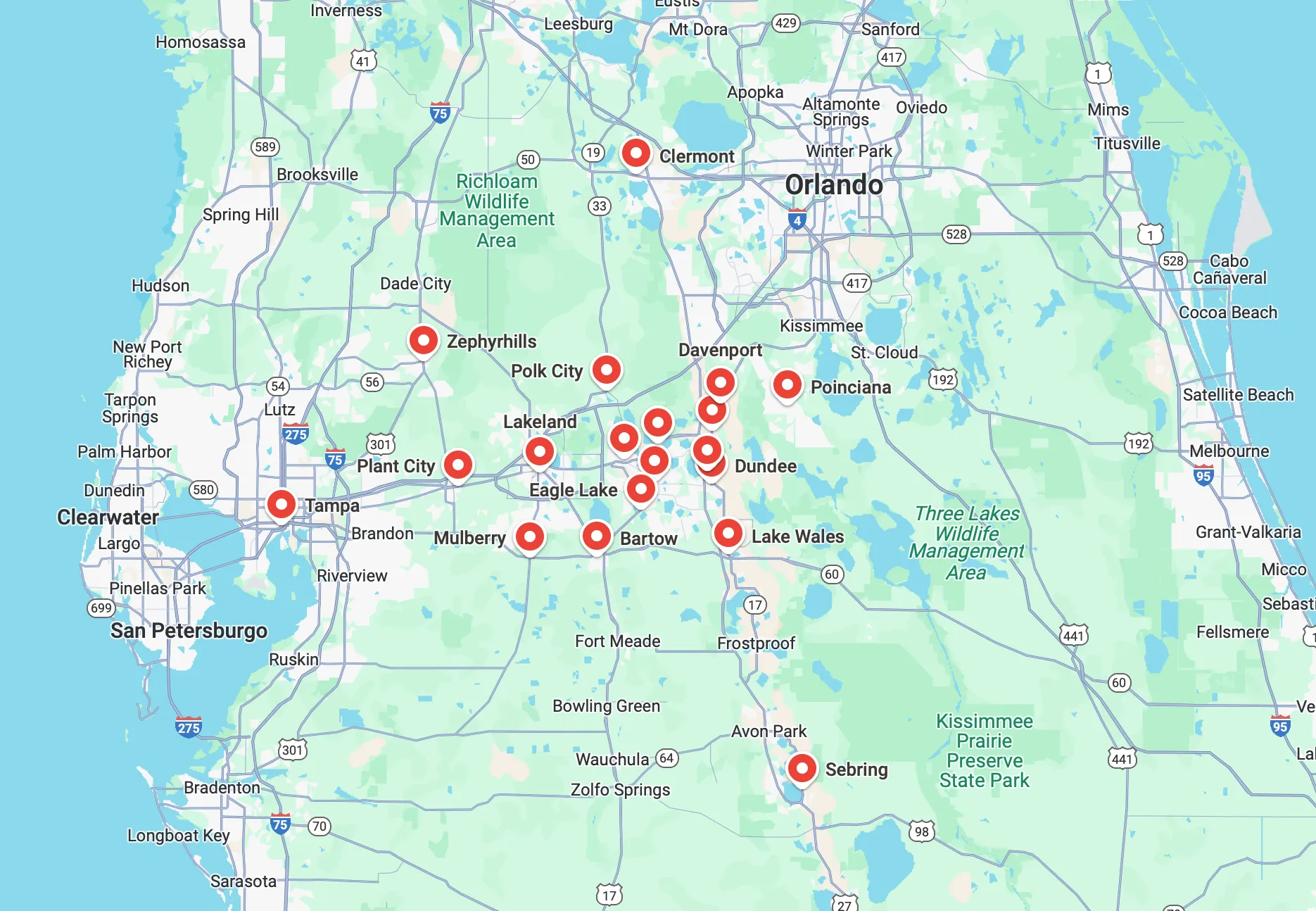
Service Areas