Heating Service in Tampa, FL
Heating Heating Service in Tampa, FL
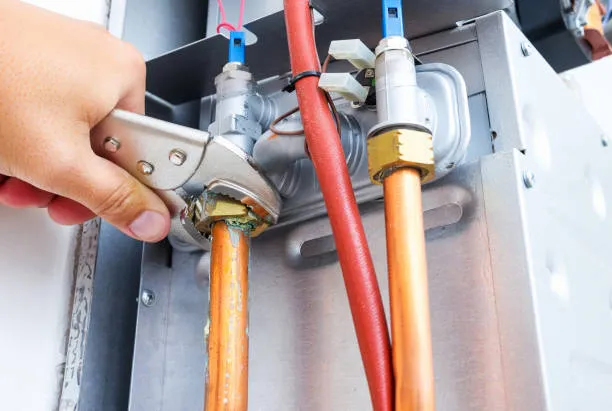
Keeping a reliable heating system in Tampa, FL may not feel urgent year-round, but when temperatures dip or humidity control becomes necessary, a properly maintained heater makes a big difference in comfort, indoor air quality, and energy use. This Heating Heating Service in Tampa, FL overview explains the diagnostics, repairs, installations, tune-ups, maintenance plans, emergency response options, and typical warranty expectations Tampa homeowners should expect when they choose professional heating care.
Why heating service matters in Tampa, FL
Tampa’s subtropical climate means heating systems run less than in northern states, but they face unique challenges:
- Heat pumps and hybrid systems are common because they provide both heating and cooling efficiently.
- Coastal salt air increases corrosion risk on outdoor components and connections.
- Infrequent heating use can hide problems until cold snaps make them obvious, causing sudden failures.
- High humidity can affect comfort at lower temperatures and contribute to mildew in ductwork and filters.
Proper service prevents inconvenient breakdowns, preserves system life, improves efficiency, and helps maintain healthy indoor air in Tampa homes.
Common heating issues in Tampa, FL
Homeowners in Tampa typically see these issues more often:
- Inefficient heating from dirty coils, clogged filters, or failing fans
- Heat pump short-cycling or loss of capacity after long cooling seasons
- Corroded outdoor components and electrical connections from salt air
- Thermostat calibration or sensor failures causing uneven comfort
- Duct leaks and poor insulation reducing system output
- Frozen or obstructed condensate drains and moisture-related problems
- Pilot/integrated ignition or gas valve issues in homes with gas backup systems
Recognizing these problems early through diagnostics and seasonal inspections reduces repair cost and restores comfort faster.
Diagnostics and inspection process
A thorough diagnostic process identifies root causes and recommended solutions:
- Visual inspection of indoor and outdoor units for corrosion, debris, and physical damage.
- System startup and monitoring to observe performance, cycling, and noise.
- Electrical checks on capacitors, contactors, wiring, and safety devices.
- Refrigerant level and leak checks for heat pumps and split systems.
- Airflow assessment including filter, coil, blower, and duct inspection.
- Thermostat and sensor calibration checks and temperature differential testing.
- Combustion and venting checks where gas systems exist.
Reports typically outline findings, estimated repair needs, and options for repair or replacement with clear explanations of expected benefits and energy implications.
Repairs and common solutions
Repairs in Tampa often focus on restoring efficiency and preventing recurrence:
- Cleaning or replacing air filters, coils, and drain lines to restore airflow and heat transfer.
- Repairing or replacing capacitors, motors, reversing valves, and control boards on heat pumps.
- Sealing and insulating ductwork, balancing airflow, and adding return pathways where needed.
- Replacing corroded outdoor components and applying corrosion-resistant hardware when appropriate.
- Refrigerant leak repair, recharge, and testing to ensure proper charge and pressures.
- Addressing thermostat or sensor replacements for accurate temperature control.
- Repairing ignition systems or gas components according to safety codes.
Each repair is explained in plain language with tradeoffs between repair and replacement when systems are older or inefficient.
Installation and system selection for Tampa homes
When replacement is the best option, system selection should match Tampa’s climate and your home’s needs:
- Heat pumps: Most energy-efficient year-round option in Tampa. Modern variable-speed heat pumps provide smooth temperature control, dehumidification, and strong cooling and heating performance.
- Mini-splits / ductless systems: Ideal for additions, zoned control, or homes without ductwork. They offer high efficiency and targeted comfort.
- Hybrid systems: Combine a heat pump with a high-efficiency gas furnace for occasional cold snaps while maximizing efficiency during milder weather.
- Proper sizing and airflow design: Correct load calculations and duct sizing are essential to avoid short-cycling and comfort issues.
- Corrosion-resistant installation: Using protective coatings, stainless fasteners, and proper placement reduces salt air damage on coastal properties.
Installations include equipment selection based on performance, long-term operating cost estimates, and details on efficiency ratings (SEER/HSPF) so homeowners understand operating cost implications.
Tune-ups and preventive maintenance
Regular tune-ups are the most cost-effective way to avoid early failures and maintain efficiency:
- Seasonal inspections focusing on refrigeration system health, electrical safety, and airflow.
- Cleaning coils, condensate pans and drains, and changing or cleaning filters.
- Lubricating moving parts, checking belts, and verifying proper refrigerant charge.
- Verifying thermostat performance and recalibrating sensors.
- Duct inspection and basic cleaning as needed to improve air quality and airflow.
In Tampa, a fall tune-up before the cooler months and a spring check to prepare for the cooling season are common recommendations. Regular maintenance preserves warranties and reduces energy bills.
Service plans and enrollment options
Service plans are structured to provide predictable, prioritized care for busy homeowners:
- Typical plan features:
- Scheduled seasonal tune-ups and priority scheduling
- Discounted diagnostic fees or reduced labor rates for covered repairs
- Filter delivery or scheduled filter checks
- System performance reports and recommended maintenance items
- Emergency service priority during off-hours or cold snaps
- Enrollment process (typical steps):
- Choose a plan level that matches coverage needs and frequency (basic to comprehensive).
- Provide system information - equipment make, model, and age - to tailor tune-up schedules.
- Receive a schedule of included visits and explanations of what is covered.
- Opt for auto-renewal or annual review to adjust coverage as systems age.
Service plans improve lifecycle management and reduce the chance of unexpected failures at inconvenient times.
Emergency response and safety
Emergency availability is crucial when heating failure impacts safety or health:
- Emergency options often include after-hours dispatch for heating failures during cold snaps and systems that threaten pipes or indoor safety.
- Rapid diagnostic prioritization and temporary measures (such as space heating guidance or temporary heaters) may be provided while permanent repairs are scheduled.
- Safety-first approach: Gas leak, carbon monoxide, or electrical faults are treated as immediate hazards with established safety protocols and shutdown procedures.
Expect clear communication about response windows, triage steps, and prioritization during widespread weather events.
Warranties, guarantees, and quality standards
Understanding warranties helps set expectations for repairs and new equipment:
- Manufacturer warranties: Typically cover major components and vary by brand and model. Homeowners should register new equipment to preserve warranty entitlement.
- Labor warranties: Service providers commonly offer limited labor warranties for repairs (for example, 30 to 365 days depending on the repair type and company policy). Verify the length and what parts are covered.
- Service guarantees: Many professional services provide workmanship guarantees ensuring repairs address the diagnosed issue and restore safe operation.
- Documentation: Clear estimates, work orders, and post-service reports help preserve warranty claims and track maintenance history.
Ask for warranty and guarantee terms in writing at the time of service or installation to understand coverage windows and responsibilities.
Long-term benefits and maintenance tips for Tampa homeowners
Regular, professional heating care delivers several lasting benefits in Tampa homes:
- Better year-round comfort and humidity control with properly tuned heat pumps
- Lower energy costs through improved efficiency and reduced runtime
- Extended equipment life and fewer emergency repairs
- Improved indoor air quality through timely filter and duct maintenance
- Protection from corrosion-related damage with appropriate preventive measures
Simple homeowner tips between professional visits:
- Change or clean filters monthly during heavy use and at least quarterly otherwise.
- Keep outdoor units clear of debris, salt spray buildup, and vegetation.
- Monitor for unusual noises, odors, or short-cycling and document when issues occur.
- Maintain consistent thermostat settings to reduce stress on the system.
A proactive approach to heating service in Tampa, FL minimizes surprises and preserves comfort when you need it most.

Customer Testimonials

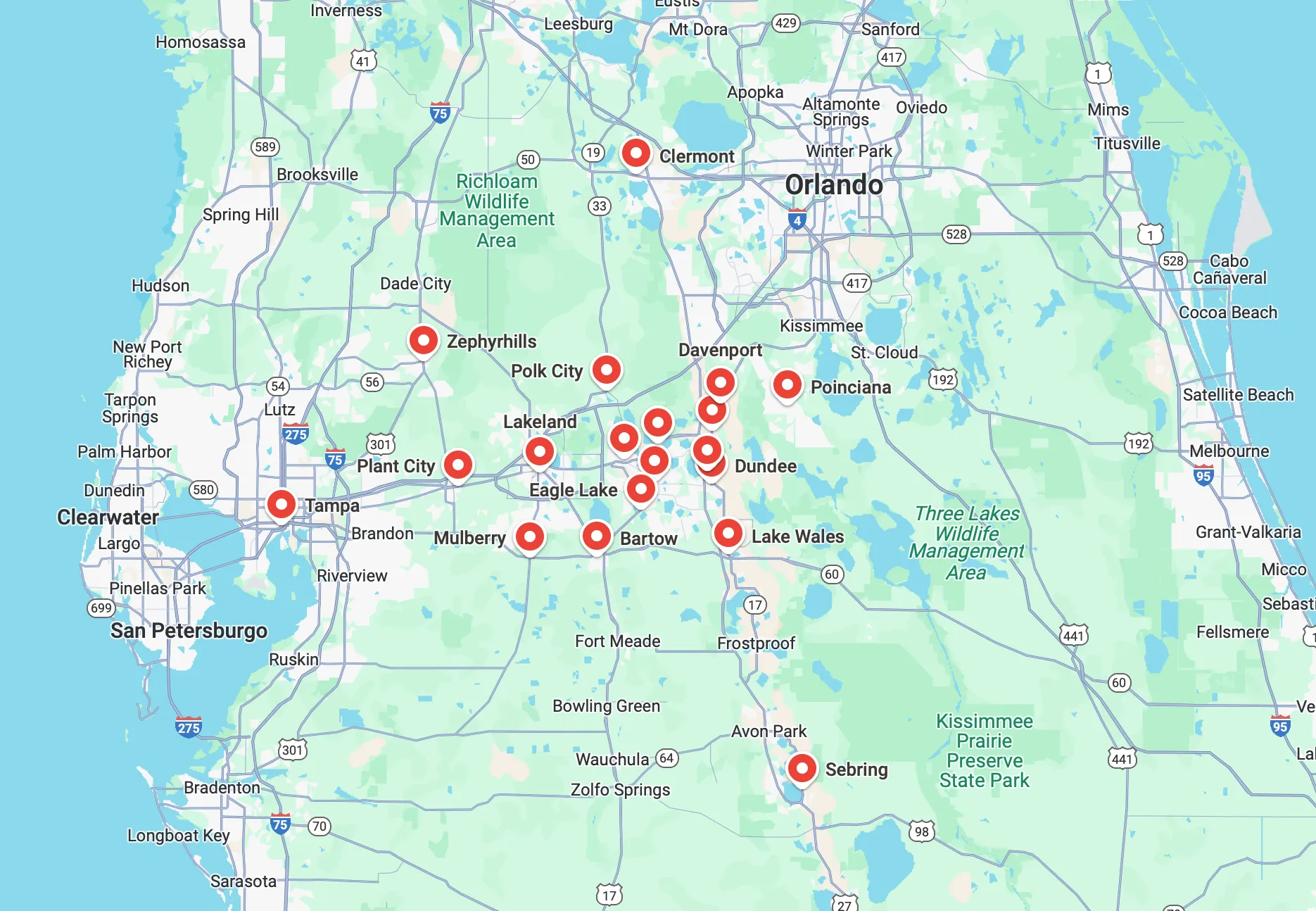
Service Areas