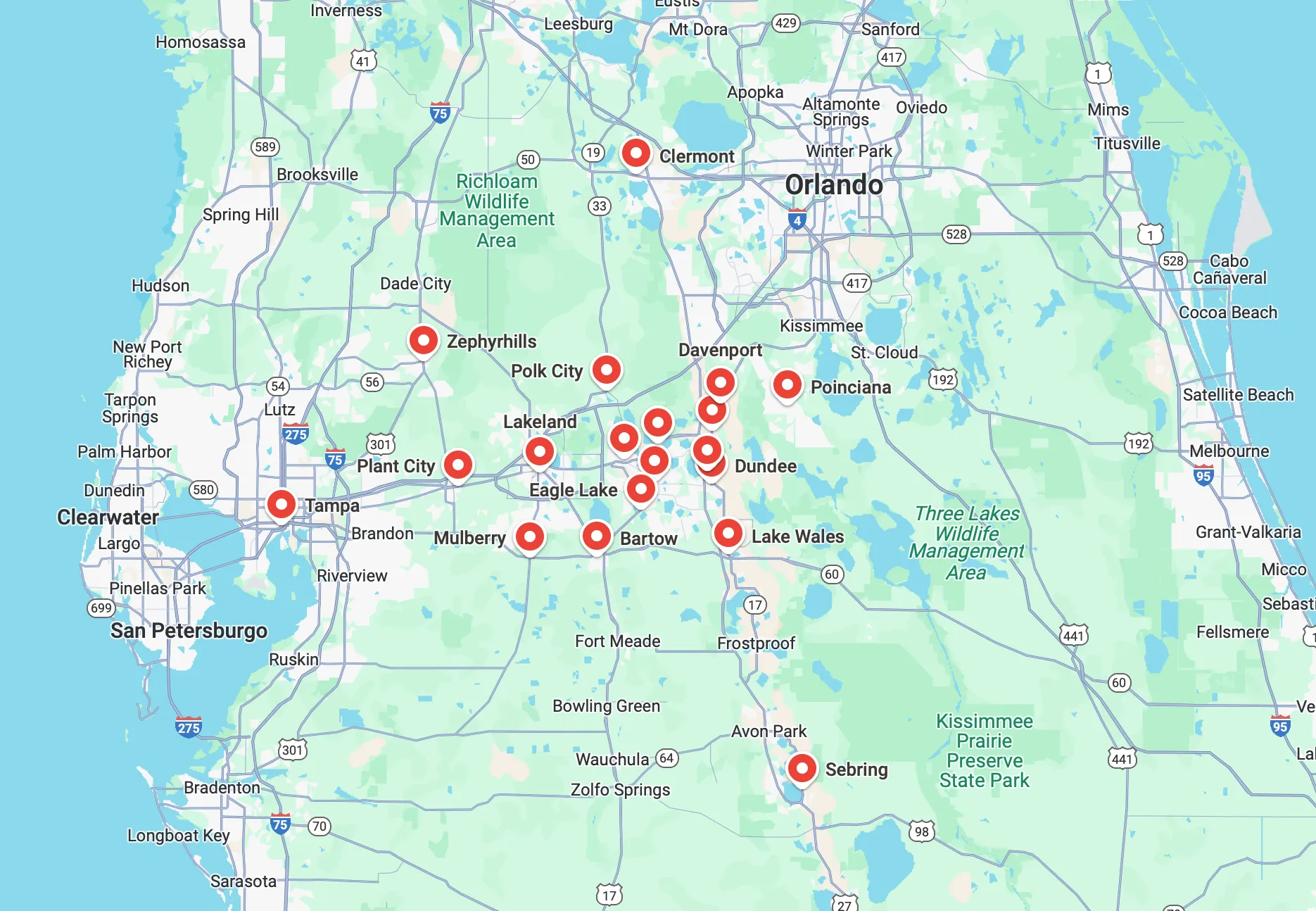
Heating Maintenance in Tampa, FL
Heating Heating Maintenance in Tampa, FL
Keeping your heating system reliable and safe in Tampa, FL requires a maintenance approach tuned to local conditions. Even though Tampa winters are mild, humidity, salt air, pollen, and occasional cold snaps create specific wear patterns for furnaces, heat pumps, and ductless systems. Regular heating maintenance in Tampa improves comfort, reduces the chance of midseason breakdowns, and helps your system run more efficiently when you need it.
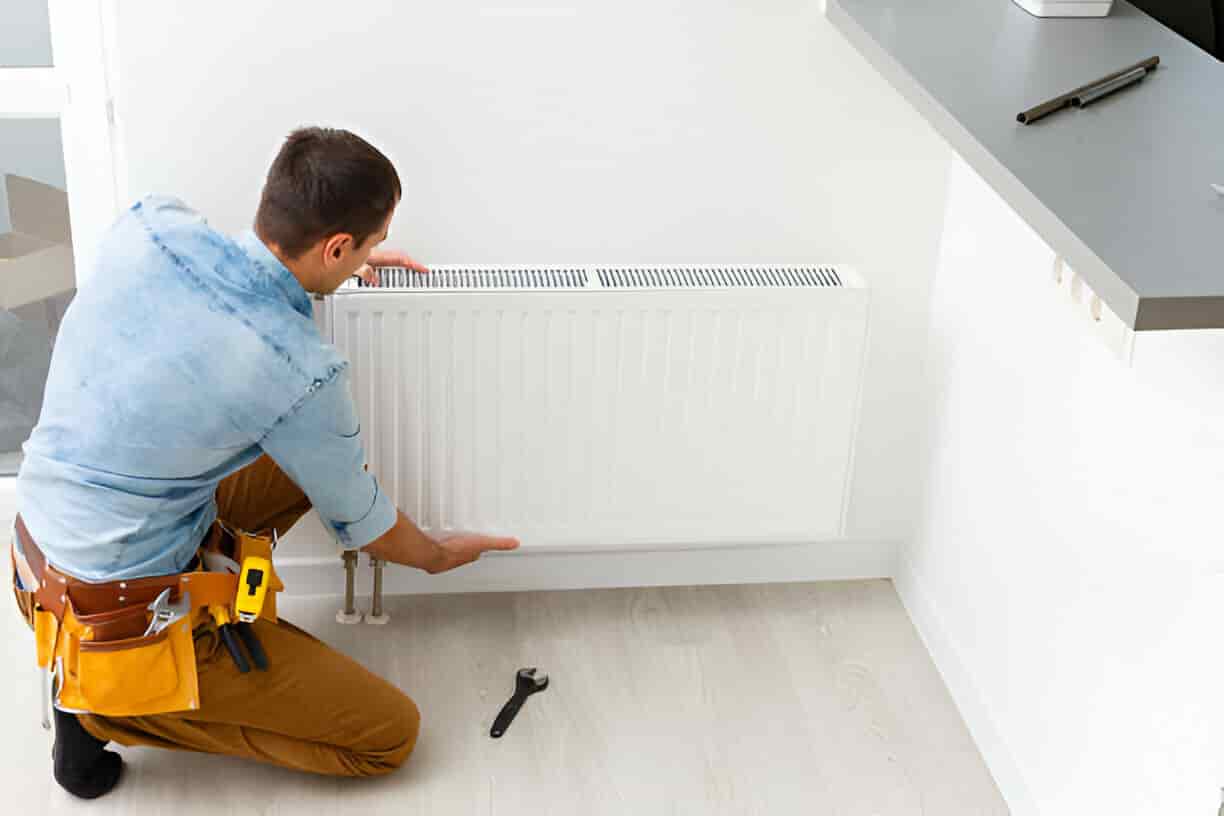
Why regular heating maintenance matters in Tampa, FL
Homes in Tampa rely heavily on heat pumps and combined HVAC systems that run year-round for cooling and seasonal for heating. That constant use, combined with coastal humidity and salt exposure, accelerates corrosion, clogs filters, and encourages moisture-related problems in drains and ductwork. Routine heating maintenance addresses these Tampa-specific issues before they become emergency repairs.
Key local benefits:
- Improved reliability during unexpected cold snaps and overnight cool periods
- Prevention of corrosion and component failure from salt and humidity
- Reduced energy use during the few months heating runs, and better overall year-round efficiency
- Safety checks for gas and combustion systems where present, protecting against leaks and carbon monoxide risks
Common heating systems and typical issues in Tampa
- Heat pumps (including packaged and split systems): common issues include low refrigerant, reduced defrost performance, compressor strain from year-round cooling use, and corrosion of outdoor coils.
- Gas furnaces (less common but in some homes): problems can include dirty burners, cracked heat exchangers from infrequent use, and ignition or pilot issues.
- Ductless mini-splits: indoor unit clogging, drain pan blockages, and refrigerant leaks exacerbated by coastal humidity.
- Ductwork and air handlers: mold or mildew in ducts, degraded insulation, loose connections, and reduced airflow from dirty filters.
Common signs your Tampa home needs heating maintenance:
- Uneven heating between rooms
- Short cycling or frequent on/off cycles
- Higher energy bills during cooler months
- Strange odors when the system runs (musty, burning, or gas smells)
- Visible corrosion on outdoor equipment or condensate lines
- Carbon monoxide detector alerts or signs of poor combustion
What a scheduled heating maintenance visit includes
Scheduled inspections and tune-ups focus on cleaning, adjustment, testing, and preventive care. Typical tasks performed during a heating maintenance visit in Tampa include:
- Visual inspection of outdoor unit and indoor components for corrosion, leaks, and damage
- Cleaning or replacing air filters and advising on filter schedule based on local pollutants
- Cleaning coils, blower wheels, and condensate drains to prevent mold and blockages
- Checking and tightening electrical connections and controls
- Testing thermostat calibration and control response
- Inspecting burners, ignition systems, heat exchangers, and flue/venting for gas systems
- Measuring refrigerant charge and inspecting for leaks on heat pumps and ductless systems
- Evaluating airflow and duct connections; removing light debris and recommending deeper duct cleaning if needed
- Performing safety checks: carbon monoxide testing on combustion systems, checking for gas leaks, verifying safety switches
- Documenting performance metrics (temperature splits, amperage draws, operating pressures) and providing a clear service summary
Diagnostic and performance testing explained
Technicians use a combination of visual inspection and instrument testing to assess system health. In Tampa, common diagnostic tests include:
- Refrigerant pressure and superheat/subcooling checks for heat pumps
- Combustion analysis for gas burners to confirm proper fuel-to-air ratio and safe exhaust
- Motor amperage and voltage testing to detect electrical strain that leads to premature failures
- Static pressure and airflow checks to identify duct restrictions or failing blowers
- Thermostat and control verification to ensure accurate temperature control
These tests identify marginal parts and conditions that often cause mid-season failures, allowing targeted repairs that are less expensive than emergency replacements.
Maintenance plan tiers (what each tier typically includes)
Below are common tiered plans designed to match different homeowner needs. Pricing varies, but every tier focuses on extending system life and preventing emergencies.
- Basic Maintenance Plan
- Annual heating inspection and basic tune-up
- Filter check/replace (standard filter)
- Safety checks for combustion and electrical components
- Written visit summary and recommended repairs
- Standard Maintenance Plan
- Everything in Basic, plus
- Coil and blower cleaning
- Refrigerant charge check for heat pumps
- Priority scheduling and seasonal reminders
- Basic calibration and thermostat optimization
- Comprehensive Maintenance Plan
- Everything in Standard, plus
- Two annual visits (pre-winter and spring), beneficial for Tampa heat pump systems used year-round
- Drain line treatment and detailed duct inspection
- Advanced diagnostics (combustion analysis, airflow balancing)
- Parts inspection with discounts on commonly replaced components
How regular maintenance prevents costly emergency repairs
Routine maintenance finds small problems before they cascade. Examples relevant to Tampa:
- Cleaning coils and filters prevents compressor overheating and failure, a costly repair on heat pumps.
- Catching refrigerant leaks early avoids oil contamination and compressor damage.
- Inspecting and sealing ducts improves airflow, reducing blower motor strain and avoiding premature motor replacement.
- Combustion and venting checks on gas systems detect unsafe conditions early, preventing hazardous failures.
Maintenance also preserves manufacturer warranties and maintains system efficiency, which lowers operating costs over the equipment’s life.
Recommended schedule and seasonal tips for Tampa homeowners
- Heat pumps and combined HVAC systems benefit from dual checks: spring for cooling and fall for heating. This approach addresses year-round use and reduces risk of summer or winter failures.
- For furnace-only systems, an annual fall inspection before the cooler months is recommended.
- Replace basic filters every 1 to 3 months; Tampa’s humidity and pollen often require more frequent changes.
- Keep outdoor equipment clear of salt spray buildup and debris; rinse outdoor coils gently if coastal salt accumulation appears.
- Ensure condensate drains are clear before and after the rainy season to prevent backups and mold growth.

Customer Testimonials

Service Areas