Heating Repair in Tampa, FL
Heating Repair in Tampa, FL
Keeping your home comfortable during Tampa’s cool snaps depends on a reliable heating system. Even though winters are mild, many Tampa homes rely on heat pumps, packaged systems, or occasional furnace and boiler use - and corrosion, humidity, and seasonal changeover can create problems that need prompt expert repair.
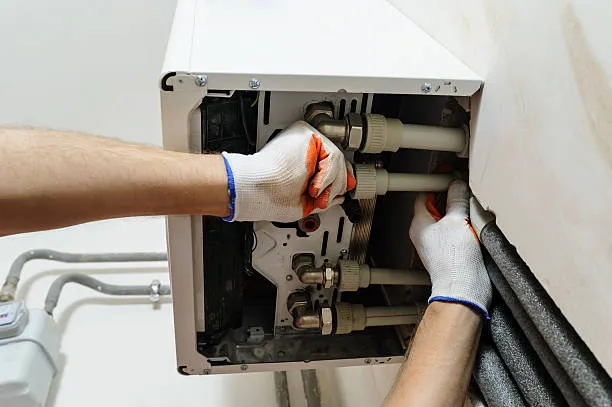
Why heating repair matters in Tampa homes
Tampa’s subtropical climate means heating systems run less frequently but still face unique stresses: high humidity promotes mold and electrical shorting, coastal salt air speeds corrosion on outdoor components, and intermittent use can hide developing faults until a cold morning. Addressing heating issues early preserves comfort, prevents secondary damage (like frozen pipes in rare cold snaps), and maintains system efficiency to reduce energy waste.
Common heating systems we service
- Heat pumps (air-source, ductless mini-splits)
- Furnaces (gas and electric)
- Boilers (hydronic systems)
- Packaged HVAC units and hybrid systems
- Controls, thermostats, and zone systems
Typical symptoms that indicate need for heating repair
- Uneven heating or cold spots in rooms
- Heat pump short-cycling or failing to switch to heating mode
- Weak airflow from vents or inconsistent fan operation
- Strange noises: banging, rattling, grinding, or high-pitched squeals
- Frequent pilot outages or ignition failures (furnaces and boilers)
- Yellow or flickering pilot light (possible combustion issue)
- Visible corrosion or refrigerant leaks on outdoor units
- Rising utility bills without a change in use
- Thermostat not communicating or incorrect temperature readings
When you spot these symptoms, a prompt diagnostic helps avoid larger failures and keeps your system running safely.
On-site diagnostic process
A qualified technician will follow a structured diagnostic routine to pinpoint the root cause:
- Visual inspection: Check exterior unit, electrical connections, condensate drains, and visible corrosion or damage.
- Controls and thermostat verification: Confirm thermostat settings, wiring, and call-for-heat signals.
- Electrical testing: Measure voltage, amperage, and safety switch function to detect failing motors or capacitors.
- Refrigerant and pressure checks (for heat pumps): Identify leaks and assess compressor performance.
- Combustion and venting tests (for gas appliances): Ensure correct flame quality, safe venting, and CO risk mitigation.
- Airflow and duct assessment: Inspect filters, blowers, and duct leakage that reduce heat delivery. After diagnostics, the technician explains findings, outlines repair options, and provides an estimate.
Common repairs and part replacements
- Thermostat recalibration or replacement
- Capacitor and contactor replacement for motors and compressors
- Compressor repair or replacement for failing heat pumps
- Refrigerant leak repair and recharge (heat pumps)
- Condensate drain clearing and condensate pump replacement
- Fan motor and blower wheel repair or replacement
- Ignitor, flame sensor, and gas valve repair for furnaces and boilers
- Heat exchanger inspection and repair (safety critical)
- Control board replacement and safety switch repairs
- Duct sealing and insulation improvements. Parts are selected for compatibility and longevity; Tampa technicians often recommend corrosion-resistant components for outdoor exposure.
Emergency repair availability and response considerations
Heating issues that risk safety (gas smell, abnormal combustion, carbon monoxide symptoms, or electrical sparking) require immediate attention. In Tampa, localized weather events or utility fluctuations can also precipitate urgent failures. Reliable repair services offer emergency diagnostics and temporary safe-mode solutions when full repairs cannot be completed on first visit. Expect technicians to secure the home, isolate hazards, and provide a clear plan for full restoration.
Technician expertise and safety standards
Qualified technicians bring:
- EPA certification for refrigerant handling
- Training in combustion analysis and CO safety for gas appliances
- Experience with heat pumps and ductless systems popular in Florida
- Knowledge of coastal material degradation and best-practice corrosion mitigation
- Use of factory-level diagnostic tools and OEM replacement parts when appropriate Technicians should follow manufacturer service guidelines and local code requirements to ensure repairs preserve warranties and safety.
Repair versus replacement: how to decide
Consider repair when:
- The system has a specific, isolated fault with a cost-effective part replacement
- The unit is within its typical lifespan and otherwise reliable (heat pumps ~10-15 years, furnaces 15-20 years depending on type)
- Efficiency losses are minor and repair restores performance Consider replacement when:
- Repair costs exceed 50% of the estimated remaining value of the system
- The system is near or past expected lifespan with recurring failures
- Significant safety issues exist (cracked heat exchanger, repeated ignition failures)
- You want a major efficiency upgrade, smarter zoning, or a switch to a heat pump or ductless system better suited to Tampa’s climate. A technician will balance upfront cost, expected future repairs, energy savings, and local climate suitability when recommending replacement options.
What affects service estimates (what to expect on pricing transparency)
Actual rates vary by system type, part complexity, and labor time. Factors that influence estimates include:
- Type of equipment (heat pump, furnace, boiler)
- Accessibility of the unit and time required for diagnostics
- Cost and availability of replacement parts
- Extent of ductwork or electrical work required
- Need for safety testing or permit-required work. Expect transparent, itemized estimates that separate diagnostic fees, labor, and parts so you can weigh repair vs replacement with clear information.
Maintenance and prevention tips for Tampa homeowners
- Schedule annual heating-season tune-ups for heat pumps and boilers to catch issues early
- Change or clean filters every 1-3 months during use periods to maintain airflow
- Keep outdoor units clear of vegetation and rinse salt buildup to reduce corrosion
- Seal and insulate ducts to improve delivery and reduce energy waste
- Check condensate drain lines and traps regularly during humid months
- Install CO detectors and test them periodically if you have gas appliances
Timely maintenance reduces emergency repairs and keeps systems efficient in Tampa’s humid, coastal environment.

Customer Testimonials

Service Areas