Heating in Auburndale, FL
When winter nights drop into the 40s and 50s, reliable home heating keeps your family comfortable and safe. In Auburndale, FL, heating needs are different from northern climates: homes typically rely on heat pumps, ductless mini-splits, or electric/gas furnaces for brief cold periods, and humidity control remains important even when heating. This page explains diagnostics, repair and replacement options, seasonal maintenance and safety inspections, efficiency upgrades, common problems and solutions, and the value of service agreements for homeowners in Auburndale, FL.
Heating in Auburndale, FL
When winter nights drop into the 40s and 50s, reliable home heating keeps your family comfortable and safe. In Auburndale, FL, heating needs are different from northern climates: homes typically rely on heat pumps, ductless mini-splits, or electric/gas furnaces for brief cold periods, and humidity control remains important even when heating. This page explains diagnostics, repair and replacement options, seasonal maintenance and safety inspections, efficiency upgrades, common problems and solutions, and the value of service agreements for homeowners in Auburndale, FL.
Why targeted heating service matters in Auburndale, FL
- Milder winters mean heating systems run intermittently but still require regular attention to avoid failure during sudden cold snaps.
- High humidity can mask heating issues and increase the risk of mold and indoor air quality problems if systems are not maintained.
- Heat pumps and mini-splits are widely used in Central Florida; they require different diagnostics than cold-climate furnaces, especially for defrost cycles and refrigerant performance.
Common heating systems in Auburndale homes
- Heat pumps (air-source) - the most common solution for year-round climate control.
- Ductless mini-splits - popular for room-by-room control and retrofit situations.
- Gas or electric furnaces - found in some homes, especially where existing ductwork was installed.
- Packaged rooftop or split systems - used in some older or commercial buildings.
Typical heating problems we diagnose and how we approach them
Common heating problems in Auburndale often present subtly because systems run less frequently. Typical issues include:
- Insufficient heat or uneven temperatures across rooms
- Short cycling (system turns on and off too quickly)
- Heat pump freezing or failing to defrost properly
- Noisy operation or unusual sounds from air handlers or compressors
- Thermostat or control malfunctions
- Poor airflow due to clogged filters or duct issues
- Ignition or combustion problems on gas furnaces
- Rising energy bills or reduced efficiency
Diagnostic process (what a thorough heating inspection includes)
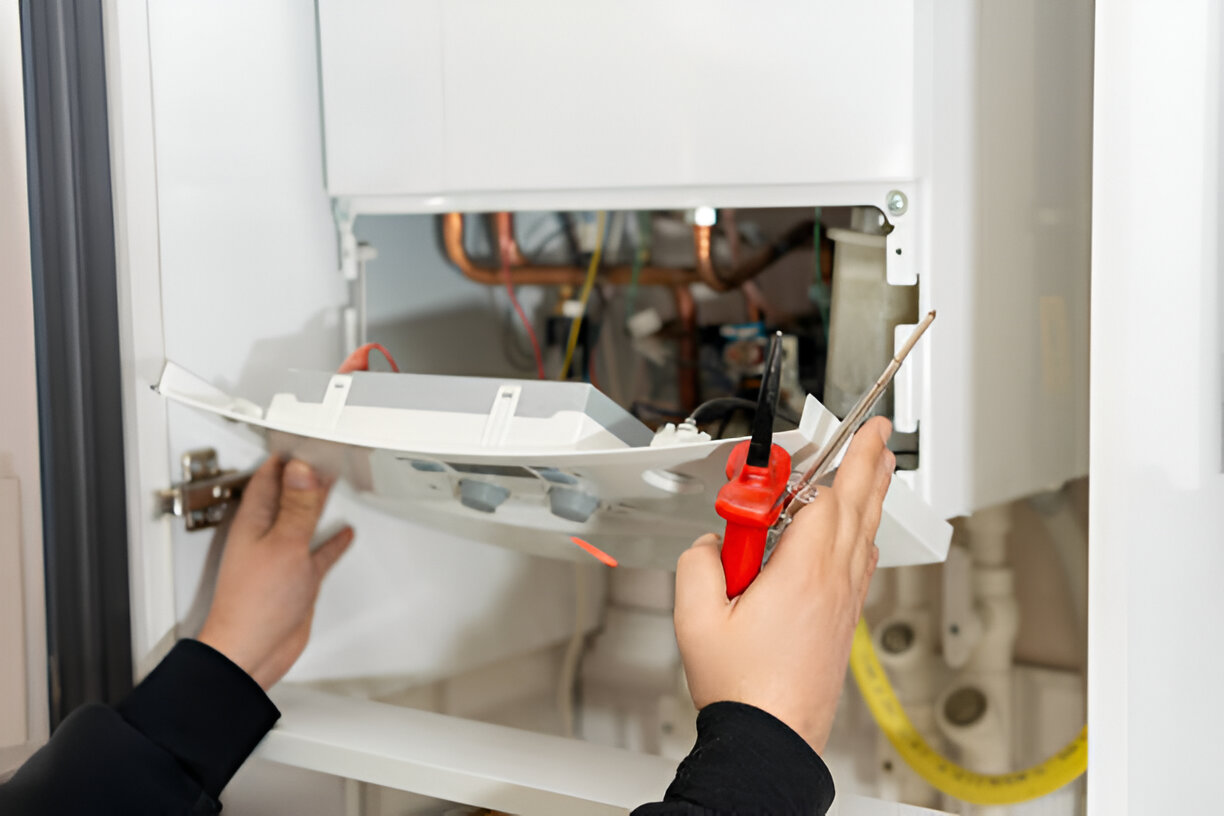
- Visual and operational check of the indoor and outdoor units while equipment is running
- Thermostat calibration and control diagnostics
- Measurement of supply and return air temperatures and static pressure to assess airflow
- Electrical inspection including breakers, contactors, capacitors, and wiring condition
- Refrigerant level check and compressor performance testing for heat pumps and mini-splits
- Inspection of defrost cycle and reversing valve on heat pumps
- Combustion, venting, and heat exchanger inspection for gas furnaces, plus carbon monoxide screening
- Duct inspection for leaks, blockages, and insulation issues
Repair vs replacement: practical guidance for Auburndale homeowners
- Repair if: issues are limited, parts are available, equipment is less than 10 years old (heat pumps) or 15 years (furnaces), and repairs provide a clear return on continued service life.
- Replace if: the system has recurring failures, repair costs approach half the value of a new unit, efficiency is low compared to modern options, or the system uses obsolete refrigerant.
- Heat pump specifics: upgrading to a higher HSPF-rated heat pump or a variable-speed inverter mini-split can yield meaningful comfort and efficiency gains in Central Florida’s climate.
- Ductwork considerations: replacing a failing furnace without addressing leaky or poorly insulated ducts often leaves performance and efficiency problems unresolved.
Seasonal maintenance and safety inspections
Annual maintenance keeps systems reliable and efficient. A typical seasonal visit includes:
- Replacing or cleaning air filters and inspecting filter slots
- Cleaning evaporator and condenser coils to restore heat transfer
- Checking and lubricating motors and blower assemblies
- Verifying proper refrigerant charge and correcting leaks
- Testing safety controls, limit switches, and condensate drains
- Inspecting flue and combustion components on gas systems; performing CO checks
- Calibrating thermostats and reviewing control settings
For Auburndale homes, scheduling maintenance before the start of the cooler months ensures the system operates when temperatures dip unexpectedly.
Efficiency improvements that matter locally
- Programmable or smart thermostats to reduce runtime during mild periods
- Zoning or multiple thermostats for better comfort in homes with varied sun exposure or insulation
- Duct sealing and additional insulation in attics and crawlspaces to reduce heat loss and humidity infiltration
- Upgrading to variable-speed blowers and inverter-driven compressors to improve comfort and lower run-time
- Considering mini-splits for rooms that need independent control without major ductwork changes
These measures reduce energy use, improve comfort during transitional seasons, and reduce strain on systems that typically see intermittent use in Central Florida.
Safety considerations
- Carbon monoxide risk is real for combustion-based heating; annual CO testing and proper venting inspection are essential.
- Electrical faults cause many heating failures; tight electrical connections and properly functioning breakers protect equipment and home safety.
- Condensate backups and clogged drains lead to moisture and mold issues in humid climates like Auburndale’s; drain lines and pans must be checked.
Service agreements to keep systems reliable
Service agreements provide scheduled maintenance, priority scheduling, and documented inspections to reduce emergency repairs and extend equipment life. Typical features include:
- Seasonal tune-ups for heating and cooling
- Priority or expedited service during high-demand periods
- Discounts on diagnostic fees and repairs
- Written inspection reports that document system condition and recommended action
- Options for filter replacement schedules and parts coverage
For homeowners who prefer predictable maintenance and peace of mind during Central Florida’s variable weather, a service agreement centralizes care and helps avoid unexpected outages.
What to expect after repair or replacement
- Repairs should restore operational safety and design capacity; a full performance test verifies temperature rise, airflow, and electrical draw.
- After replacement, expect improved efficiency, quieter operation, and better humidity and temperature control when the system is properly sized and installed.
- Proper commissioning and duct balancing are critical to achieving the expected comfort and efficiency gains in Auburndale homes.
Frequently Asked Questions
Q: How often should I have my heating system serviced in Auburndale, FL?
A: At minimum, have heat pumps and furnaces inspected once a year, ideally before the cooler months. Homes with older equipment or indoor air quality concerns may benefit from biannual checks.
Q: Are heat pumps a good choice for Auburndale?
A: Yes. Heat pumps provide both heating and cooling and are well suited for Central Florida’s mild winters. Proper maintenance ensures reliable performance and long life.
Q: My heat pump freezes in cool weather. What causes that and how is it fixed?
A: Freezing often results from poor airflow, low refrigerant, or a faulty defrost cycle. A diagnostic visit checks airflow, refrigerant charge, and defrost controls to identify and correct the cause.
Q: When should I replace my heating system instead of repairing it?
A: Consider replacement when the unit is old (10-15 years for heat pumps), repairs are frequent or costly, efficiency is low, or the system uses obsolete refrigerant. Replacement is often more cost-effective long term.
Q: What does a comprehensive safety inspection include?
A: A safety inspection verifies electrical connections, controls, combustion and venting on gas systems, CO levels, condensate drainage, and proper operation of safety switches and thermostats.
Final note: Regular diagnostics, targeted repairs, and seasonal maintenance tailored to Auburndale’s climate keep heating equipment efficient, safe, and reliable. Well-timed improvements like thermostat upgrades, duct sealing, and high-efficiency heat pumps deliver comfort and lower energy use across Florida’s variable seasons.

Customer Testimonials

Service Areas