Furnace Maintenance in Tampa, FL
Heating Furnace Maintenance in Tampa, FL
Keeping your heating furnace properly maintained in Tampa, FL protects comfort, safety, and equipment value. Even though Tampa winters are milder than northern climates, homes still rely on furnaces during cool snaps, and local conditions like high humidity and coastal salt exposure create unique maintenance needs. Regular furnace maintenance reduces emergency repairs, improves efficiency, and extends system life-especially important for equipment that runs intermittently and may be overlooked during the warmer months.
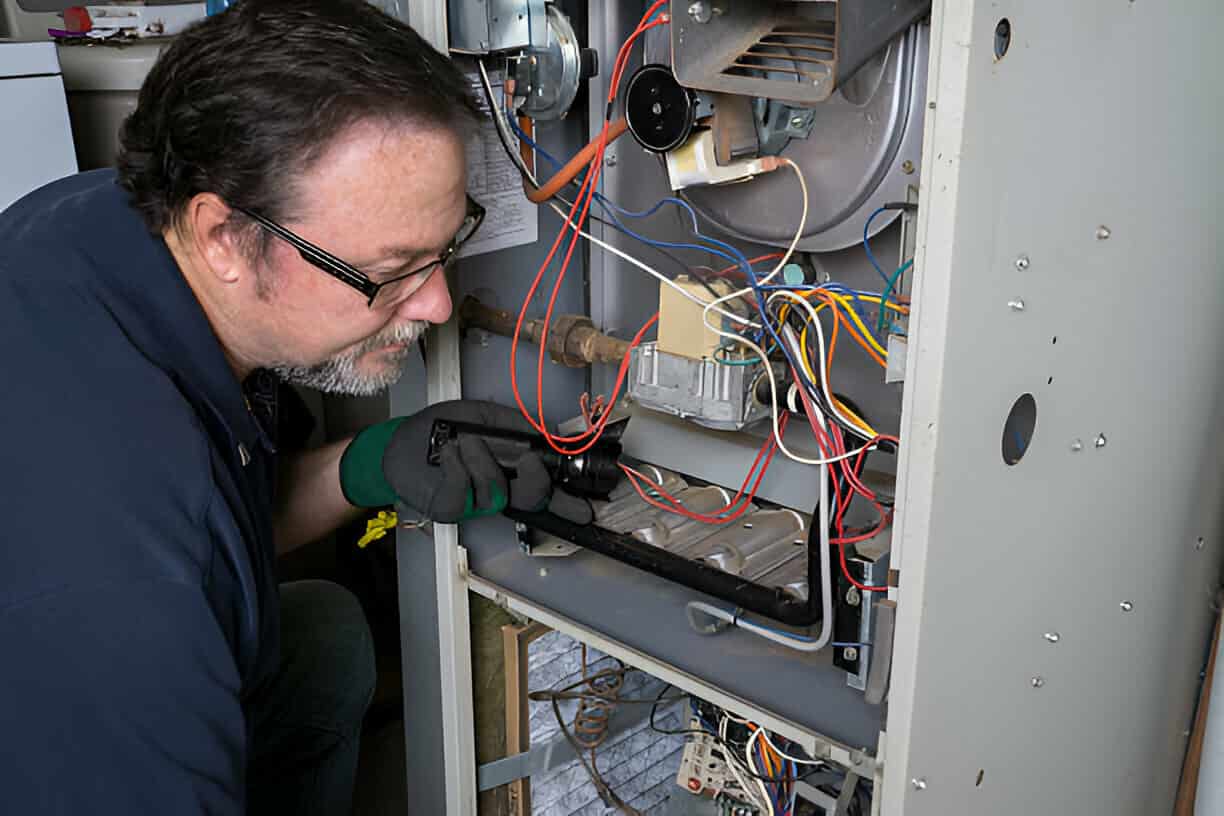
Why furnace maintenance matters in Tampa, FL
- Efficiency: A clean, calibrated furnace uses less energy during each heating cycle. That matters when you run the system sporadically; inefficiencies show up quickly.
- Safety: Technicians check combustion and venting to prevent carbon monoxide and combustion-related risks.
- Reliability: Preventive care catches worn parts before they fail on a cold morning.
- Longevity: Routine service slows wear on motors, burners, and heat exchangers, helping your system reach or exceed its expected lifespan.
- Local factors: Coastal salt air accelerates corrosion on metal components and vents. High humidity increases the chance of mold or damp-related electrical issues. These factors change typical inspection priorities for Tampa homes.
Common furnace problems in Tampa, FL homes
- Dirty or clogged air filters causing restricted airflow and short cycling
- Corroded burners, flue pipes, or vent components from salt exposure
- Intermittent or inaccurate thermostat operation after long idle periods
- Ignition or pilot issues from soot and residue buildup
- Moisture-related electrical or control board failures
- Ductwork contamination or leaks that reduce heated air delivery
Understanding these local patterns helps prioritize preventive tasks and reduces seasonal surprises.
Seasonal checklist: what routine furnace maintenance covers
A complete seasonal tune-up typically follows a structured checklist. Technicians perform these tasks to keep your system safe and efficient:
- Replace or inspect air filters and recommend appropriate filter types and replacement intervals
- Inspect burners, flame pattern, and ignition system for proper combustion
- Examine heat exchanger for cracks, corrosion, or signs of stress
- Check and clean pilot assembly, ignition electrodes, or hot surface igniters
- Test combustion and ventilation for proper exhaust flow and carbon monoxide presence
- Inspect and tighten electrical connections; test capacitors and motors
- Measure airflow across the furnace and inspect blower assembly for dirt, balance, and belt wear
- Verify thermostat calibration and sensor operation; test cycle sequences
- Inspect flue and venting for blockages, corrosion, or improper slope
- Check safety controls, limit switches, and condensate drains if present
- Inspect accessible ductwork for leaks, loose connections, and signs of moisture or pests
- Provide a written report summarizing findings, recommendations, and any safety concerns
The diagnostic process: how technicians evaluate your system
Technicians follow a methodical process to diagnose issues and document system condition:
- System history and visual inspection: Review age, prior repairs, and visible signs of wear.
- Operational test: Start the furnace and observe startup, flame quality, thermostat response, and cycle behavior.
- Combustion and safety testing: Use diagnostic equipment to measure CO levels, draft, and combustion efficiency where applicable.
- Mechanical and electrical assessment: Inspect motors, belts, capacitors, relays, and wiring for wear or damage.
- Airflow measurement: Evaluate blower performance and pressure differences to identify duct or filter problems.
- Report and recommendations: Deliver a clear inspection report listing required repairs, recommended improvements, and prioritized items for safety and efficiency.
Technicians explain findings in plain language and document what was inspected so you can make informed decisions on repairs or upgrades.
Maintenance plans and contracts tailored for Tampa homes
Maintenance plans organize preventive service and often include helpful membership features without tying you to rigid obligations. Typical plan elements include:
- Scheduled annual or biannual tune-ups timed for fall and/or early winter
- Filter reminders and recommended filter delivery options
- Priority scheduling for service visits during peak seasonal demand
- Discounted diagnostic or repair labor rates for plan members
- Comprehensive inspection checklists and documented service reports
- Options to bundle with other HVAC services such as air conditioning maintenance to address year-round comfort needs
These plans simplify upkeep, ensure seasonal readiness, and align maintenance intervals with local weather patterns.
What technicians will report and why the report matters
A professional inspection report provides transparency and guidance. Common report items include:
- Condition summary: Overall system health and remaining useful life estimate
- Safety findings: Any carbon monoxide risks, venting issues, or failed safety switches
- Efficiency concerns: Dirty burners, clogged filters, or inadequate airflow that reduce efficiency
- Repair recommendations: Prioritized list of repairs from urgent to elective
- Preventive actions taken: Filters changed, components cleaned, and calibration completed
This documentation helps homeowners plan budgets, prioritize repairs, and track service history when selling a home or replacing equipment.
Best timing and scheduling considerations for Tampa
- Schedule furnace maintenance in late fall before significant temperature drops or in early winter after the first use. For Tampa, an annual pre-winter check is typically sufficient, with additional attention if the system shows intermittent faults after long idle periods.
- Combine furnace and air conditioning maintenance to address year-round performance and to reduce service visits.
- Consider a spring check if your furnace shares components with a heat pump or if humidity-related issues have been noticed.
Maintenance tips for Tampa homeowners
- Replace filters regularly. Tampa’s humidity and airborne particles can clog filters faster than expected.
- Keep vents and returns clear of furniture and debris to maintain airflow.
- Protect outdoor venting and intake from coastal salt exposure when possible, and inspect for corrosion annually.
- Watch for signs like yellow pilot lights, sputtering, unusual odors, or uneven heating and schedule an inspection if they occur.
Regular Heating Furnace Maintenance in Tampa, FL keeps your system safe, efficient, and reliable. A well-documented maintenance program tailored to local climate impacts reduces unexpected breakdowns, improves indoor comfort, and preserves equipment value over time.

Customer Testimonials

Service Areas