Heating Service in Plant City, FL
Heating Heating Service in Plant City, FL
A reliable heating system is essential in Plant City homes for comfortable winter nights, humidity control, and protecting plumbing during occasional cold snaps. Our Heating Heating Service in Plant City, FL explains the full range of repair, installation, replacement, and maintenance work you should expect from a professional provider, including emergency support policies, warranty basics, service territory notes, and clear instructions for scheduling an appointment.
Why focused heating service matters in Plant City, FL
Plant City’s warm, humid climate means most homes use heat pumps or HVAC systems that handle both heating and cooling. Long cooling seasons and high humidity cause heavy year-round use, leading to wear on compressors, fans, and controls that also affect heating performance. Seasonal pollen and frequent storms can accelerate coil fouling and duct contamination. Addressing heating problems promptly preserves comfort, improves efficiency, and avoids more expensive repairs later.
Common heating issues in Plant City homes
Homeowners searching for common heating service issues in Plant City typically encounter these problems:
- Inadequate heat output or uneven room temperatures - often caused by worn compressors, dirty coils, or duct leaks.
- Short cycling or frequent on/off cycles - usually due to thermostat problems, refrigerant imbalance, or airflow restrictions.
- Heat pump defrost problems - in milder climates, faulty defrost controls or sensors can limit heating during cooler nights.
- Noisy operation - failing motors, bearings, or loose components produce rattles, hums, or grinding.
- Electrical failures - weak capacitors, relays, or control board issues can prevent startup or cause intermittent operation.
- Airflow and indoor air quality issues - clogged filters and contaminated ductwork reduce efficiency and heating capacity.
Assessment and diagnostic process
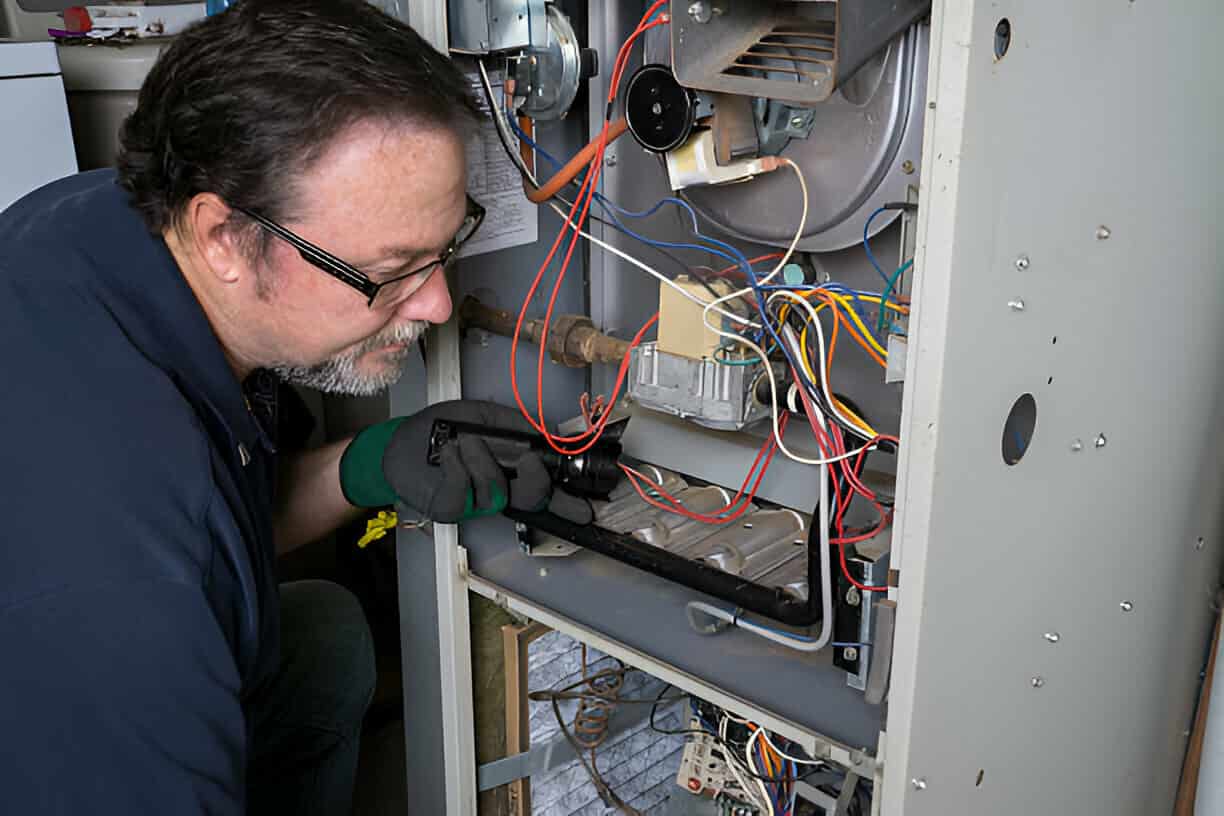
A professional heating service follows a structured diagnostic procedure so you know exactly what’s wrong and what to expect:
- System history and symptom review - technician documents the make, model, age, and recent issues.
- Visual inspection - checking outdoor units, indoor air handler, ductwork, vents, and thermostat wiring.
- Performance testing - measuring temperature splits, refrigerant pressures (when applicable), voltage and amperage readings, and airflow.
- Safety and control checks - confirming proper operation of limit switches, defrost controls, and safety mechanisms.
- Written findings and options - a clear summary of issues, recommended repairs, and replacement options with estimated outcomes.
This diagnostic-first approach avoids unnecessary work and provides a straightforward path to repair, replacement, or improved maintenance.
Repairs, replacements, and upgrades
Repair work in Plant City commonly addresses component failures and preventive corrections:
- Component repairs - replacing capacitors, contactors, motors, sensors, or control boards to restore proper operation.
- Refrigerant service - leak detection and repair followed by proper recharge to manufacturer specifications.
- Duct repairs and sealing - correcting leaks and improving insulation to restore even heating and efficiency.
- Thermostat calibration or replacement - upgrading to programmable or smart thermostats for better zoning and energy savings.
- System replacement and upgrades - when repair costs approach replacement value, installing modern heat pump systems improves year-round performance and humidity control.
In Plant City, heat pump installations are often the best choice because they provide efficient heating and cooling in the local climate. Proper sizing, matched components, and correct refrigerant charge are critical for long-term performance.
Maintenance that prevents breakdowns
Regular maintenance is the most cost-effective way to extend system life and maintain efficiency. Recommended service for Plant City homes includes:
- Biannual tuneups (spring and fall) that inspect coils, motors, electrical connections, and refrigerant levels.
- Filter replacement or cleaning every 1–3 months depending on system type and indoor conditions.
- Condensate drain cleaning to avoid water damage and microbial growth in the humid Florida climate.
- Duct cleaning and sealing as needed to remove pollen, dust, and improve airflow.
- Defrost control checks for heat pumps to ensure reliable heating during cool periods.
Consistent maintenance reduces emergency repairs, preserves warranty coverage, and sustains efficiency during both heating and cooling seasons.
Emergency support policies
Heating emergencies can occur at night or during sudden cold spells. Typical emergency service policies for reputable providers include:
- 24/7 emergency response availability with prioritized dispatch for unsafe conditions (no heat with medical needs, freezing risk, etc.).
- Remote troubleshooting when possible to identify immediate steps before arrival.
- Clear scope of emergency service vs. scheduled maintenance so homeowners understand potential after-hours fees and repair pathways.
- Follow-up scheduling to complete permanent repairs during normal business hours, including parts procurement and warranty documentation.
Emergency response is focused on safety and restoring minimum acceptable heating while planning permanent fixes.
Service territory and local considerations
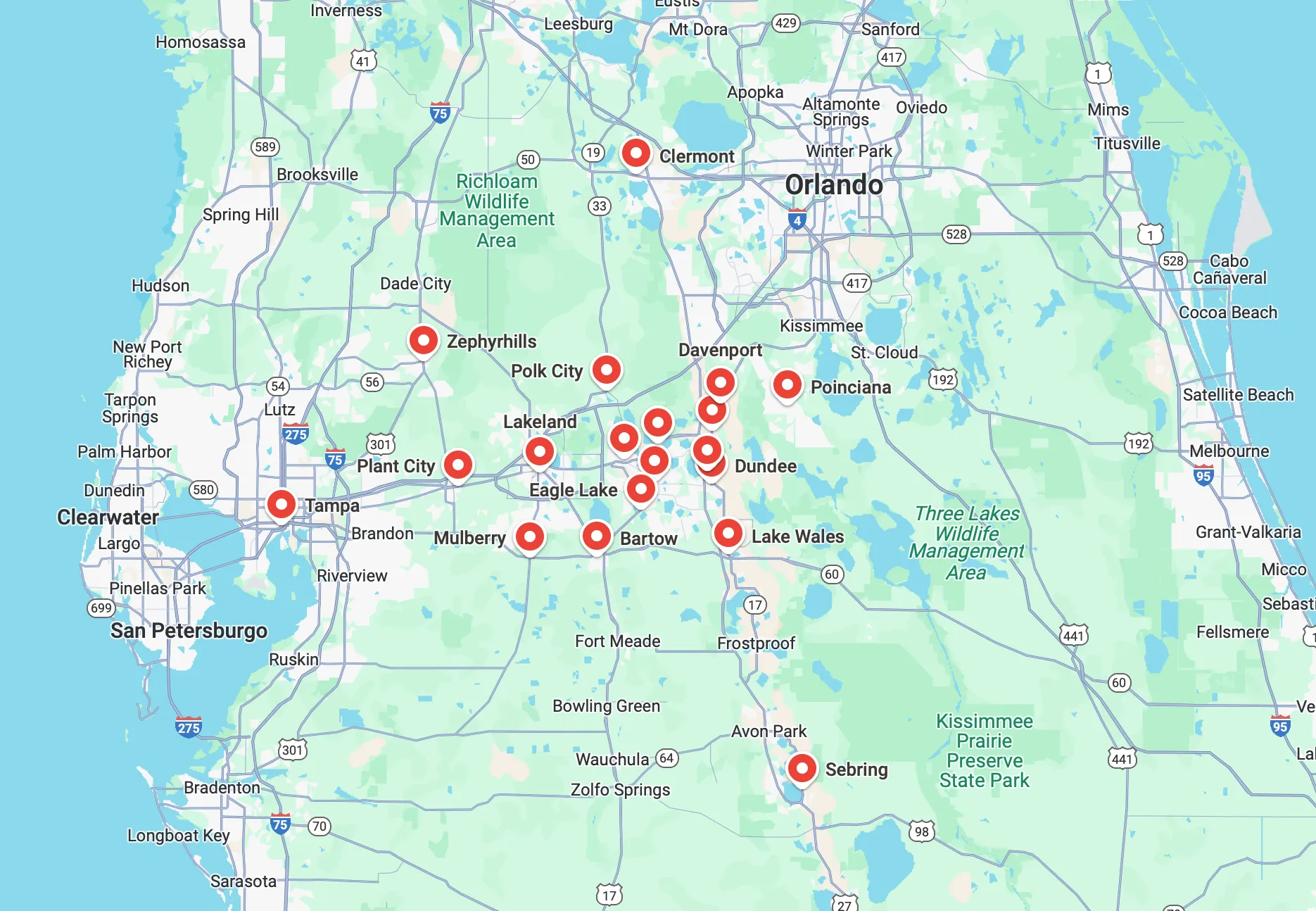
This Heating Heating Service in Plant City, FL is tailored to Plant City neighborhoods and surrounding areas within Hillsborough County. Local technicians understand regional building styles, attic ventilation challenges, and how seasonal pollen and humidity affect system performance. Services are adapted to common setups in the area—many homes use split systems, packaged heat pumps, or hybrid configurations—so solutions are practical and locally optimized.
Customer service and warranty terms explained
Understanding warranties and service commitments helps homeowners make informed decisions:
- Manufacturer warranties typically cover major components for a defined period but often require proof of professional installation and regular maintenance to remain valid.
- Labor or workmanship warranties from service providers commonly cover repairs for a set period after completion; exclusions usually include damage from neglect, unauthorized tampering, or lack of routine maintenance.
- Proper documentation is essential: keep records of system make/model, installation date, maintenance visits, and invoices to support warranty claims.
- Avoiding DIY fixes on electrical or refrigerant components is important to preserve warranty coverage and ensure safety.
How booking and appointments work
When ready to schedule service, a typical appointment process includes:
- Gather system information beforehand: make/model (if available), age, symptom descriptions, and preferred appointment windows.
- Expect an appointment confirmation that outlines the estimated visit window and technician arrival procedures.
- At the visit, the technician conducts a diagnostic, explains findings, and provides written repair or replacement options.
- If additional parts or permits are required, the technician provides timelines for follow-up work and any warranty implications.
Knowing what to have ready and what to expect makes the service visit swift and productive.

Customer Testimonials

Service Areas