Heating Maintenance in Plant City, FL
Heating Maintenance in Plant City, FL
Keeping your heating system in peak condition matters in Plant City, FL even though winters are mild. Regular, professional heating maintenance ensures reliable heat during occasional cold snaps, preserves equipment life, lowers energy use, and prevents emergency breakdowns when you need heat the most.
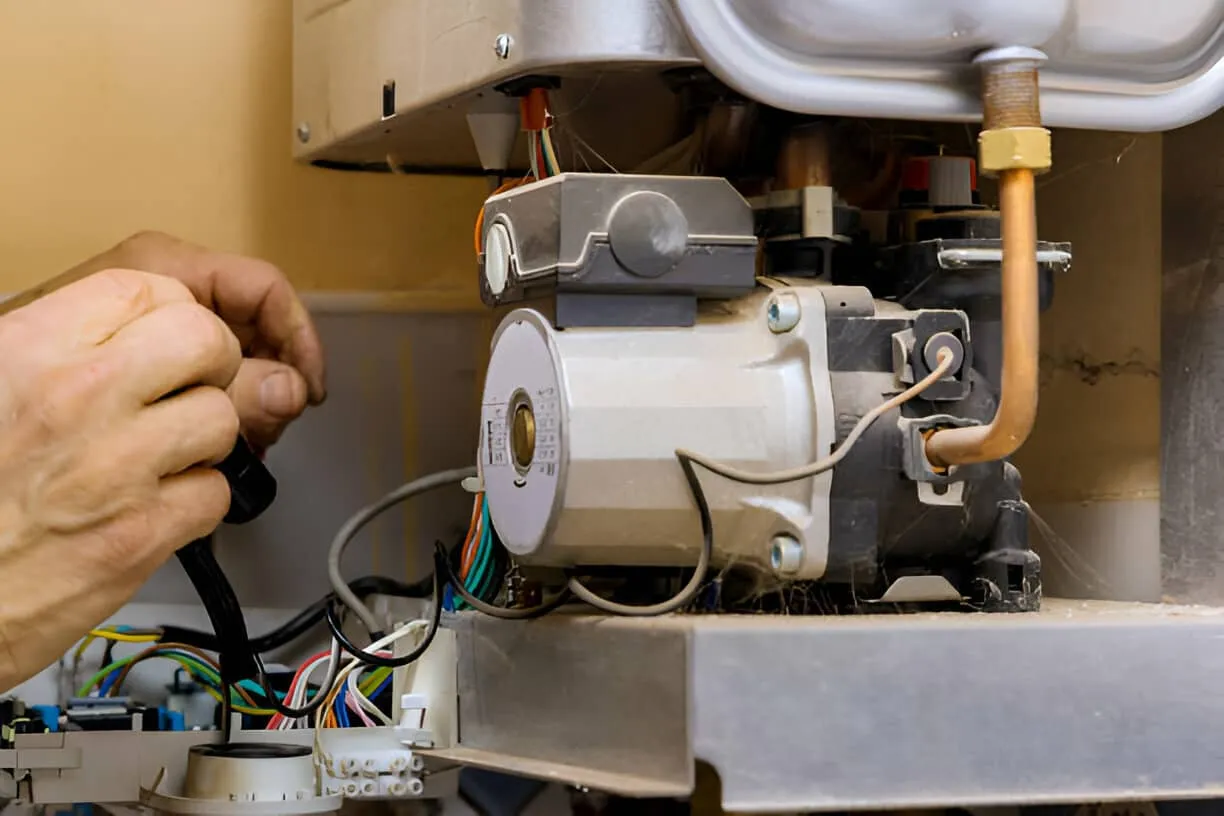
Why heating maintenance matters in Plant City, FL
Plant City’s humid subtropical climate, seasonal pollen from agricultural activity, and fluctuating winter temperatures create conditions that stress heating equipment differently than in northern climates. Heat pumps are common here and run year-round to handle both heating and cooling demands. Dust, pollen, and high humidity increase filter and coil fouling, while occasional cold snaps put extra load on systems that haven’t been tuned up. Regular maintenance:
- Restores system efficiency and comfort
- Reduces the risk of mid-winter failures
- Identifies developing safety hazards early
- Helps extend equipment lifespan in a humid, pollen-prone environment
Common heating systems in Plant City and typical issues
Most homes use one of these systems. Maintenance checks are adapted to the system type.
- Heat pumps (air-source): refrigerant leaks, dirty coils, failing reversing valves, worn contactors or capacitors
- Gas or electric furnaces (less common): dirty burners, cracked heat exchangers, ignition or pilot control problems
- Ductless mini-splits: refrigerant imbalance, blocked filters, communication errors between indoor/outdoor units
- Electric resistance systems: overloaded elements or failed thermostats
Common problems we detect during maintenance in Plant City homes include clogged air filters from high pollen, reduced airflow from dirty ductwork, refrigerant leaks on older heat pumps, and electrical wear on motors and capacitors.
Standard maintenance checklist - what a professional service includes
Every tune-up follows a thorough checklist to restore performance and safety. Typical items covered:
- Visual system inspection of indoor and outdoor units
- Air filter inspection and replacement recommendations
- Indoor coil and outdoor coil cleaning (removal of pollen, dirt, debris)
- Blower assembly cleaning and lubrication where applicable
- Motor, belt, and pulley checks; belt tensioning or replacement if needed
- Electrical connections tightened and components inspected for wear
- Capacitor and contactor condition checks on heat pumps and furnaces
- Refrigerant level check and leak detection on heat pumps/mini-splits
- Thermostat calibration and control sequence verification
- Safety control tests (limit switches, rollout switches, flame sensors)
- Combustion and venting inspection on gas systems; carbon-monoxide risk assessment
- Drain line clearing and condensate pan inspection on systems that produce condensate
- Airflow measurement and static pressure checks when indicated
- Performance test run to verify proper operation and temperature rise
Technicians document each item and prioritize repairs to address safety and reliability first.
Diagnostic and service process - what to expect
A professional maintenance visit typically follows these steps:
- System history review and homeowner concerns
- Visual safety inspection and power-off mechanical checks
- Airflow and electrical tests with system on
- Targeted cleaning of coils, blower, and accessible components
- Refrigerant and leak checks when applicable
- Safety control and combustion checks for gas equipment
- Final performance testing and written service notes
In Plant City, we often recommend scheduling tune-ups in October or November before the cooler weather sets in and a second inspection in early spring if pollen or heavy seasonal debris is present.
How maintenance prevents costly breakdowns and preserves efficiency
Routine maintenance reduces repair costs and improves comfort in these ways:
- Cleaning coils and filters restores heat transfer, reducing runtime and energy use
- Tightening electrical connections and replacing worn capacitors lowers the chance of sudden motor or compressor failure
- Early leak detection on refrigerant systems prevents compressor damage, which is one of the most expensive repairs
- Safety inspections catch problems like cracked heat exchangers or blocked vents before they become hazardous
- Regular lubrication and belt adjustment prevent mechanical wear that leads to noisy failures
Addressing small issues on a planned schedule is generally far less expensive than emergency repairs and helps avoid the inconvenience of heating outages during cold snaps.
Maintenance plan options (service-level descriptions)
To match different needs and budgets, maintenance is commonly offered in tiered plans. Examples of what each tier typically includes:
- Basic Tune-Up
- Annual inspection and operational check
- Air filter check and replacement recommendation
- Coil and blower visual cleaning
- Written service summary and prioritized recommendations
- Comprehensive Maintenance
- Everything in Basic, plus
- Refrigerant check and leak screening for heat pumps
- Electrical component testing (capacitors, contactors)
- Thermostat calibration and airflow testing
- Priority scheduling for service calls
- Premium Care Plan
- All Comprehensive features, plus
- Seasonal dual inspections (fall and spring)
- Discounted diagnostic labor on repairs
- Extra checks for ductwork and condensate systems
- Service reports with recommended lifecycle planning
These plans are designed to keep systems running efficiently and to provide predictable, scheduled attention tailored to Plant City’s seasonal demands.
Practical maintenance tips for Plant City homeowners
- Replace or clean air filters every 1–3 months during high pollen season.
- Schedule a professional tune-up before the first cold spell in fall.
- Keep outdoor unit clear of vegetation and debris; trim back at least 2 feet of clearance.
- Use a programmable thermostat or smart scheduling to minimize unnecessary runtime.
- If you notice unusual noises, higher bills, or inconsistent warmth, arrange a diagnostic inspection before the issue worsens.

Customer Testimonials

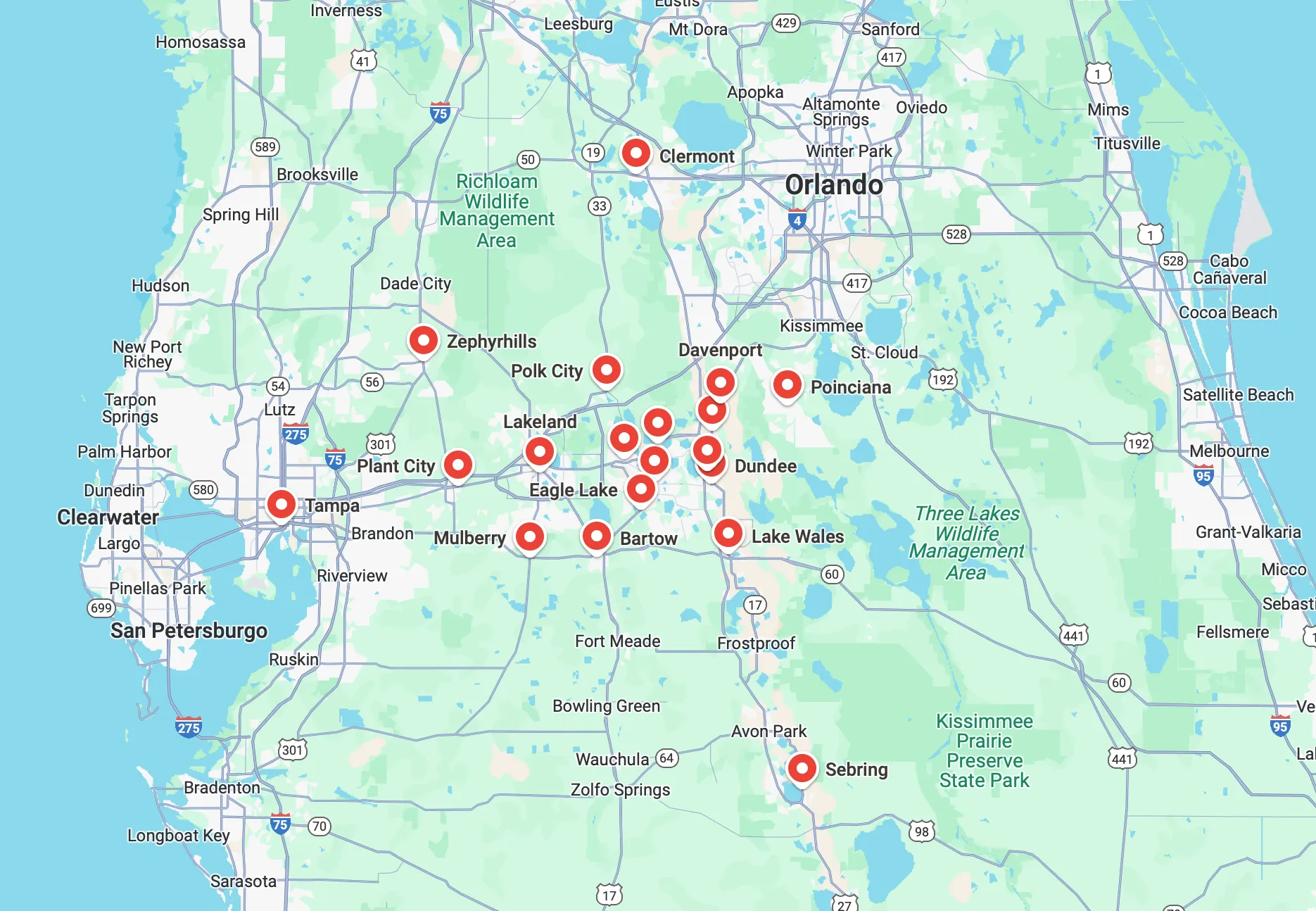
Service Areas