Heating Repair in Plant City, FL
Heating Repair in Plant City, FL
Heating repair in Plant City, FL matters even in a region with mild winters. When temperatures dip overnight or during an occasional cold front, a malfunctioning heating system can leave your home uncomfortable and increase energy use.
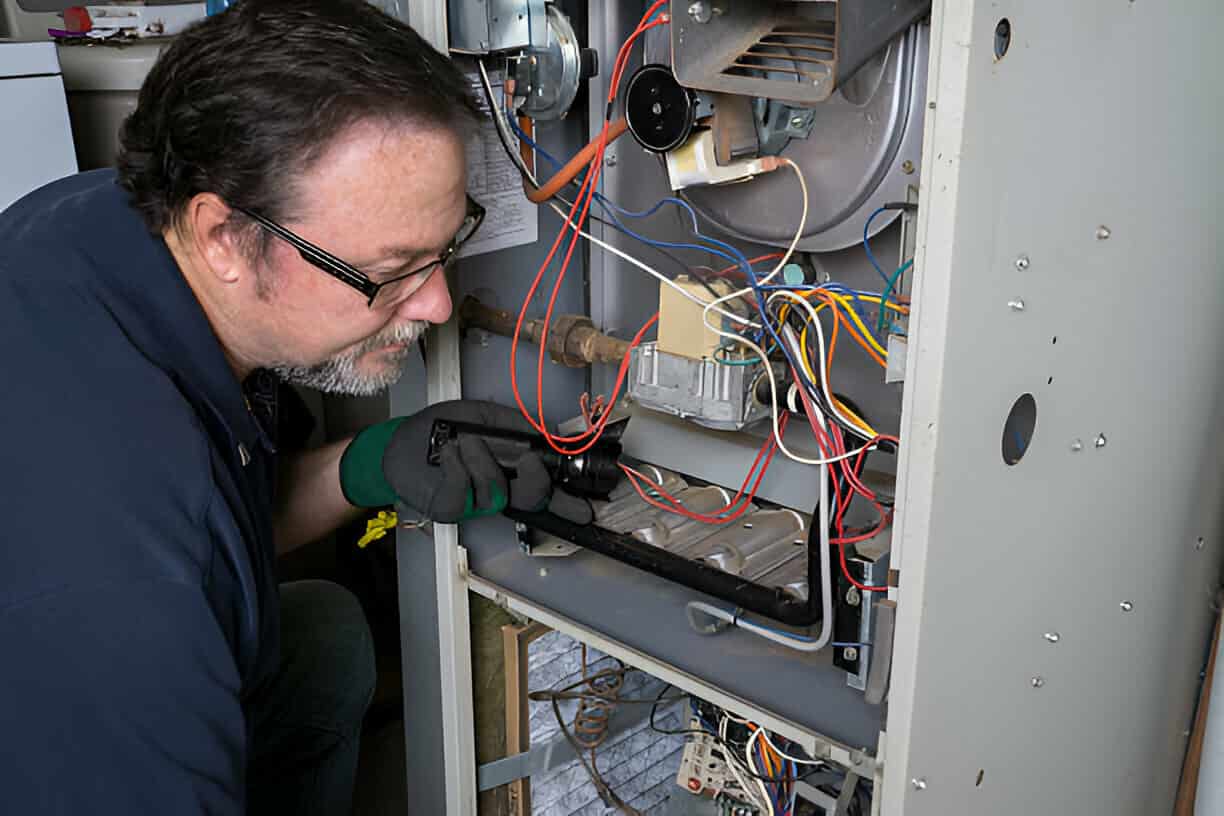
Why timely heating repair is important in Plant City
Plant City sees high humidity and relatively mild but sometimes sudden cold periods. These local conditions affect heating equipment in specific ways:
- High humidity can accelerate corrosion of electrical components and metal parts inside outdoor units and ducts.
- Systems sized primarily for cooling can be stressed when used for heating during colder snaps.
- Older homes may have duct leaks or poor insulation, reducing heating effectiveness and driving up run times.
Addressing small heating problems quickly preserves comfort, reduces energy waste, and lowers the risk of more costly breakdowns later.
Common heating systems in Plant City homes
Understanding your system helps identify likely repair paths:
- Heat pumps and mini-split heat pumps - most common for year round climate control in Florida. They move heat rather than generate it.
- Gas furnaces - less common but present in some newer or retrofitted homes.
- Electric resistance heaters - used in certain systems or supplemental zones.
- Hybrid systems - combination heat pump with gas furnace backup.
Each system has distinct failure modes. Heat pumps will show refrigerant, compressor, defrost, or reversing valve issues. Furnaces will show ignition, gas valve, or heat exchanger problems.
Common heating repair issues in Plant City and what they mean
- Thermostat or control failures: Erratic cycling, no heat on the call, or incorrect temperature readings. Repairs include recalibration, replacement, or control board service.
- Blower motor and fan problems: Weak airflow, unusual noises, or failure to start. Typical fixes are motor replacement, capacitor replacement, or bearing and belt repair.
- Ignition system faults (furnaces): Pilot light or electronic igniter failures produce no heat. Repairs often involve cleaning or replacing the igniter or addressing gas supply and safety switches.
- Refrigerant and compressor issues (heat pumps): Poor heating performance, ice on outdoor coil, or loud compressor sounds. Diagnostics test refrigerant charge, compressor operation, and reversing valve function.
- Defrost control and reversing valve problems (heat pumps): Systems that remain iced over or do not enter/exit defrost mode need control board, sensor, or valve service.
- Duct problems: Leaks, poor sealing, collapsed ducts, or inadequate insulation reduce delivered heat and create uneven temperatures. Repairs range from sealing and insulating to rebalancing or partial replacement.
- Electrical component failures: Capacitors, relays, transformers, and wiring can fail because of humidity or age. Repairs involve safe replacement and re-testing.
- Drainage and condensation issues: Clogged condensate lines can cause water backup and safety shutoffs. Clearing lines and replacing traps is common.
- Zoning and control malfunctions: Zone dampers, actuators, or zone controllers that stick or misreport can cause unequal heating; repairs restore balance.
Diagnostic approach technicians use
- Initial symptom intake: Clear description of what is wrong, when it happens, and any recent changes in performance.
- Visual inspection: Panels, wiring, condensate drains, and safety switches are checked for obvious issues caused by humidity or pests.
- System checks under load: Technicians observe the unit running to diagnose airflow, compressor performance, ignition behavior, and thermostat communication.
- Measurements and tests: Voltage, current, refrigerant pressures, temperature splits, and safety device function are measured to isolate the fault.
- Report and options: A clear summary of findings, repair options, and expected outcomes helps you decide on repair or replacement.
Typical repairs and what they involve
- Controls and thermostats: Replace or reprogram thermostats, repair circuit boards, and update control wiring.
- Motors and blowers: Replace motors or capacitors, clean and lubricate bearings, and correct airflow issues.
- Ignition systems and gas components: Replace igniters, clean burners, check gas valves and safety controls, and test combustion where applicable.
- Refrigerant and compressor service: Repair leaks, recharge refrigerant when warranted, replace compressors when failed, and verify proper superheat/subcooling.
- Duct repairs: Seal leaks with mastic or foil tape, add insulation, reroute or replace damaged sections, and rebalance zones.
Emergency repair options and safety notes
Emergency heating repairs address situations where heating failure creates unsafe conditions or risks property damage. Typical emergency responses include:
- After-hours diagnostics to determine immediate danger factors.
- Temporary measures to restore minimal heating or safely shut down a faulty component.
- Rapid replacement of critical safety items like failed igniters or malfunctioning safety switches.
- Securing a system so it cannot cause further damage until permanent repairs can be made.
Safety note: If you suspect a gas leak or carbon monoxide exposure, evacuate the home and contact emergency services immediately. Do not operate gas appliances until they have been declared safe by qualified professionals.
Guarantees on workmanship and parts
Professional heating repair services provide written warranties to protect customers. Typical guarantee elements include:
- Parts warranty - manufacturer warranty on replaced components which varies by part.
- Workmanship warranty - labor coverage for a limited period after repair to ensure the fix holds.
- Documentation - a clear invoice and warranty statement showing covered items and limitations.
Keep warranty paperwork and model numbers for future reference. Verify warranty terms for replacement parts and labor before authorizing work.
Steps homeowners can take when arranging service
Typical preparation helps the visit go smoothly:
- Note symptoms, when they started, and any recent maintenance.
- Have system model and serial number available if possible.
- Ensure safe access to equipment and clear any obstacles from work areas.
- Turn off pets or secure them so technicians can work safely.
- Be prepared to receive a diagnostic report outlining findings and options.
Preventive tips to reduce repair frequency
- Schedule annual maintenance, ideally before the winter season, to catch issues early.
- Replace filters regularly to protect blower motors and improve airflow.
- Keep outdoor units free of debris and ensure proper airflow around them.
- Seal and insulate ducts in unconditioned spaces to preserve heat delivery.
Timely heating repair maximizes comfort and efficiency in Plant City homes and extends the life of your equipment. Accurate diagnostics and targeted repairs on controls, motors, ignition systems, refrigerant circuits, and ducts resolve most issues without unnecessary replacements when addressed early.

Customer Testimonials

Service Areas