Furnace Maintenance in Plant City, FL
Heating Furnace Maintenance in Plant City, FL
Keeping your heating furnace in reliable, safe condition matters even in Plant City, FL, where winters are milder but occasional cold snaps, high humidity, and heavy pollen can affect system performance. Regular furnace maintenance reduces the chance of unexpected breakdowns when you need heat most, improves efficiency, and documents system health for homeowners and property managers.
.jpeg)
Why furnace maintenance matters in Plant City homes
Plant City’s climate means furnaces often run only seasonally. Systems that sit idle through the warmer months can develop clogged filters, sticky controls, or ignition problems when turned back on. High humidity and airborne pollen increase the load on filters and blower assemblies while occasional storms and power fluctuations can affect electrical components. Preventative maintenance addresses these risk factors and ensures safe operation and consistent comfort during winter periods.
Common heating furnace maintenance issues in Plant City, FL
- Clogged or dirty air filters reducing airflow and indoor air quality
- Burner or pilot ignition problems after seasonal start-up
- Weak airflow from a dirty blower wheel or failing motor
- Thermostat calibration issues causing short cycling or missed heat calls
- Corroded or obstructed flue and venting components from humidity-related wear
- Safety control failures or sensors needing adjustment or replacement
- Dust, pollen, and debris in ducts and plenums that reduce system efficiency
What a seasonal furnace tune-up includes
A thorough seasonal tune-up follows a consistent checklist so nothing is overlooked. Typical tasks include:
- Filter inspection and replacement: Replace disposable filters or inspect washable filters; advise on proper MERV rating for your home.
- Burner and pilot inspection: Clean burners, check ignition system or electronic ignition, and verify proper flame characteristics.
- Safety control testing: Test high-limit switches, pressure switches, and other safety interlocks to confirm safe operation.
- Combustion analysis: Measure combustion efficiency and carbon monoxide levels to ensure safe, efficient fuel use and proper venting.
- Heat exchanger inspection: Visually inspect for cracks or corrosion that could present safety risks.
- Blower and motor service: Clean blower wheel, lubricate motor bearings if applicable, check belts and motor amperage.
- Thermostat calibration: Verify setpoint accuracy and control responsiveness.
- Electrical and connection checks: Tighten terminals, check transformers and relays, and assess control wiring.
- Flue and vent inspection: Ensure vents are clear, seals intact, and draft is correct.
- System performance check: Measure supply and return temperatures, airflow, and cycle behavior to confirm efficient operation.
How diagnostics and safety tests are performed
Technicians begin with a visual system assessment and review of past service history if available. Diagnostic steps typically include:
- Running the system through a full heat cycle to observe start-up, flame stability, and shutdown.
- Using handheld meters and combustion analyzers to measure CO, oxygen, and combustion efficiency. These readings confirm safe fuel burning and proper draft.
- Checking electrical load and amperage to the blower motor to detect failing motors or obstructed fans.
- Testing safety devices under simulated fault conditions to ensure the furnace will shut down safely if a problem occurs.
- Inspecting heat exchanger and venting with a flashlight and probing tools; if leakage or cracks are suspected, technicians document findings and recommend immediate action.
All diagnostic work focuses on safety and longevity, aiming to catch developing problems before they become emergencies.
Repair options and solutions explained plainly
When maintenance reveals issues, repairs are prioritized by safety and impact on operation. Common solutions include:
- Replacing filters and cleaning components to restore airflow and efficiency.
- Adjusting or replacing ignition components and cleaning burners to restore reliable start-up.
- Repairing or replacing motors, belts, or bearings to restore proper airflow and reduce noise.
- Sealing or replacing faulty flue sections or vents to correct draft and safety concerns.
- Replacing sensors or safety controls that no longer meet safe operating thresholds.
Technicians will explain why repairs are needed, what parts are recommended, and how each repair restores reliable, efficient operation.
Membership plans and service agreements
Service agreements simplify upkeep and reduce surprise costs. Typical membership features tailored for Plant City homeowners include:
- Annual or bi-annual scheduled tune-ups timed for seasonal needs
- Priority scheduling during cold snaps and peak maintenance periods
- Automatic reminders by email or text for upcoming maintenance windows
- Discounted labor or parts for covered repairs during the agreement term
- Transferable coverage for resale situations and consistent service records
These plans are designed to keep equipment running at peak condition, reduce emergency calls, and provide predictable care over the life of the system.
Scheduling, reminders, and documentation of performed work
Good maintenance programs combine timely scheduling with clear documentation. Recommended timing for Plant City is an annual furnace tune-up in early fall, before cooler nights arrive, so systems are ready for the first cold events. For homes with heavy pollen or allergy concerns, consider filter checks during spring pollen season as well.
Documentation provided after each visit should include:
- A completed checklist of performed tasks and measurements
- Combustion analysis results and any safety readings, including carbon monoxide levels
- Photographs of critical findings (corroded flue, damaged components) when applicable
- A clear list of recommended repairs and estimated urgency
- Date of next recommended service and membership status if applicable
These records protect homeowners and help track the system’s performance over time.

Customer Testimonials

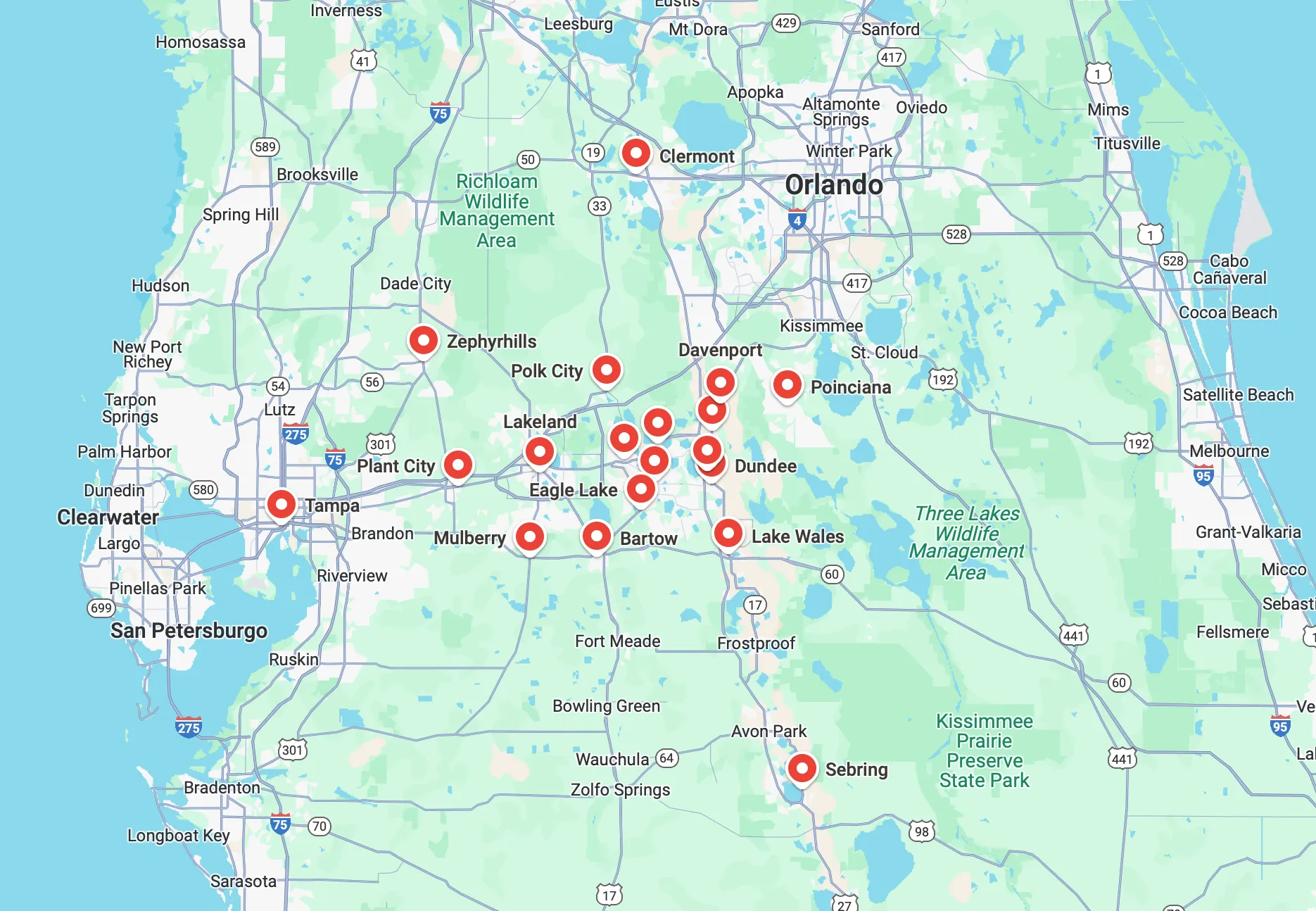
Service Areas