Heating Service in Clermont, FL
Heating Heating Service in Clermont, FL
When your home’s heating system underperforms in Clermont, FL, the impact is immediate: uncomfortable nights during unexpected cold snaps, uneven warmth across rooms, higher energy bills, and potential safety risks. Even though Central Florida winters are mild, local homes rely on heat pumps and hybrid HVAC systems that still need expert care.
.webp)
Common heating issues in Clermont homes
Florida home heating problems differ from northern climates because most systems are heat pumps or electric heating. Typical issues seen in Clermont include:
- Weak or no heat output during cold fronts - often due to refrigerant problems, compressor faults, or malfunctioning defrost cycles on heat pumps.
- Uneven heating and hot/cold spots - caused by duct leaks, poor insulation, or improperly sized equipment.
- Short cycling and frequent on/off cycles - commonly from clogged filters, thermostat errors, or electrical faults that stress components.
- Strange noises during heating mode - bearings, motors, or reversing valve problems in heat pumps can produce rattles, clicking, or humming.
- High energy bills in winter months - reduced efficiency from dirty coils, low refrigerant charge, or failing capacitors.
- System safety concerns - cracked heat exchangers (in fossil-fuel systems), electrical hazards, or carbon monoxide risks with combustion equipment.
How we diagnose heating issues
Professional diagnostics aim to identify root causes quickly and safely:
- Visual and safety inspection: check electrical panels, wiring, filters, vents, and visible refrigerant lines for obvious issues.
- Thermostat verification and calibration: confirm accurate readings and correct settings for heat pump/auxiliary modes.
- System performance testing: measure airflow, temperature split, and refrigerant pressures to assess heat transfer and compressor function.
- Electrical testing: check capacitors, contactors, relays, and safety switches to pinpoint intermittent failures.
- Duct and airflow evaluation: inspect for leaks, blockages, and return-air problems that reduce effective heating.
- Combustion and safety tests (if applicable): test venting, burners, and combustion gases in homes with gas or oil backups. Diagnostics are reported clearly with prioritized repair recommendations, expected outcomes, and any efficiency or safety concerns.
Repairs, installations, and replacements explained
Repair scope depends on system type and age. Common service options for Clermont homes:
- Heat pump repair: addressing compressors, reversing valves, refrigerant charges, defrost controls, and electronic controls. Heat pumps are the most common heating source in Clermont, so balancing refrigerant and maintaining defrost cycles is critical.
- Electric furnace / strip heat servicing: replacing heating elements, high-limit switches, and controls.
- Ductless mini-split service: refrigerant adjustments, inverter compressor repairs, and indoor unit cleaning.
- Ductwork repairs and sealing: fixing leaks, adding insulation, and balancing zones to improve comfort and reduce energy waste.
- Controls and thermostat upgrades: installing programmable or smart thermostats that optimize heating cycles for energy savings during mild Florida winters.
- Full replacement and right-sizing: when repair is not cost-effective, a replacement includes accurate system sizing (Manual J load calculations), matching system components, and proper airflow design to ensure efficiency and comfort .Installations follow local codes and utility considerations. For replacements, attention to SEER/HSPF ratings, variable-speed motors, and compatibility with existing ductwork improves long-term performance.
Maintenance plans and seasonal tune-ups
Regular maintenance extends equipment life and prevents avoidable breakdowns:
- Biannual tune-ups (pre-winter and pre-summer) to clean coils, inspect electrical components, change filters, and test refrigerant.
- Priority scheduling and planned visits during seasonal peaks to avoid emergency surges.
- Filter change reminders, duct inspections, and corrosion checks - important in humid Central Florida where moisture can accelerate wear and mold growth.
- Performance reports and efficiency recommendations after each service visit. Maintenance plans are tailored to heat pump systems common in Clermont homes and emphasize preventive work before the cooler months when heating demand rises.
Emergency response and safety procedures
Heating failures can be a safety and comfort issue even in Central Florida. Professional emergency response typically includes:
- Priority dispatch for after-hours calls during severe weather or prolonged cold snaps.
- Remote troubleshooting guidance to stabilize the situation until a technician arrives.
- Safe temporary measures such as system shutoffs, isolation of faulty circuits, or recommending safe alternate heating while repairs are arranged.
- Clear documentation of hazards found and recommended corrective actions to restore safe, reliable heating.
Technician credentials and quality standards
Homeowners in Clermont should expect technicians to meet industry and state standards:
- State-licensed HVAC technicians and contractors familiar with Florida codes and permitting.
- EPA 608 certification for refrigerant handling and safe disposal.
- NATE certification or equivalent industry training for advanced troubleshooting and installation best practices.
- Background checks, insurance coverage, and continuing education on heat pump technologies and energy-efficient systems. Technicians provide transparent service reports, parts warranties, and lifecycle guidance so you understand repair urgency and long-term options.
Service area details
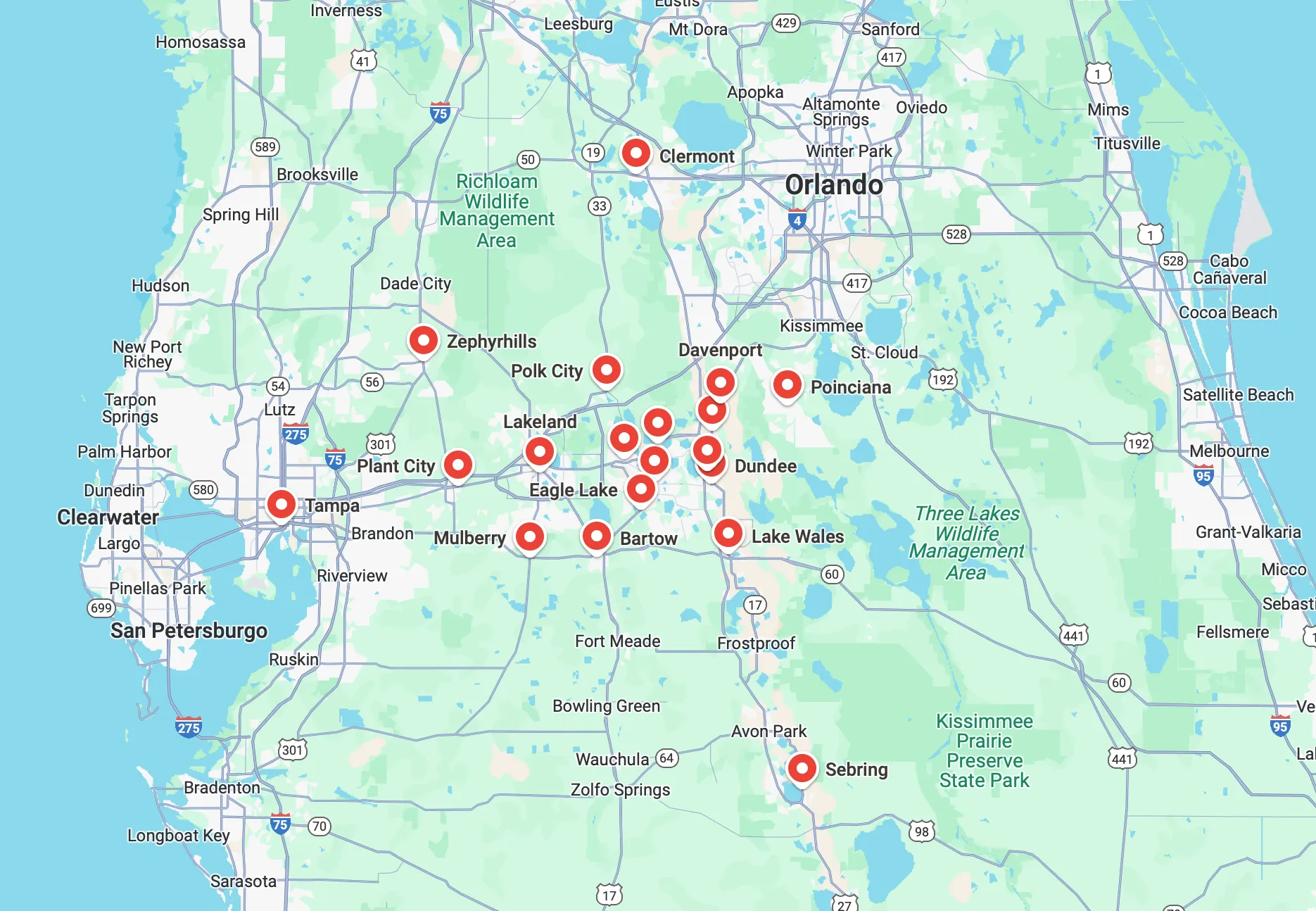
Services focus on Clermont, FL and surrounding Lake County communities. Coverage addresses local climate patterns - high humidity, occasional cold snaps, and seasonal storms — and common housing stock from older ranch-style homes to newer subdivisions with modern HVAC systems. Service teams account for regional trends like prevalent heat pump installations and ductwork issues typical in Central Florida construction.
How estimates and scheduling work
Estimate and scheduling processes are straightforward and transparent:
- Start with describing symptoms, system age, and model information; photos or model numbers can speed initial guidance.
- Choose an on-site diagnostic visit for a comprehensive inspection and a detailed written estimate that includes parts, labor, timeline, and warranty information.
- For clear-cut replacements, an energy-focused proposal will include system sizing, expected efficiency improvements, and projected operational differences.
- Emergency repairs often begin with a diagnostic charge plus an itemized repair estimate before work begins. Expect clear explanations of options so you can compare repair versus replacement based on cost, efficiency, and longevity.

Customer Testimonials

Service Areas