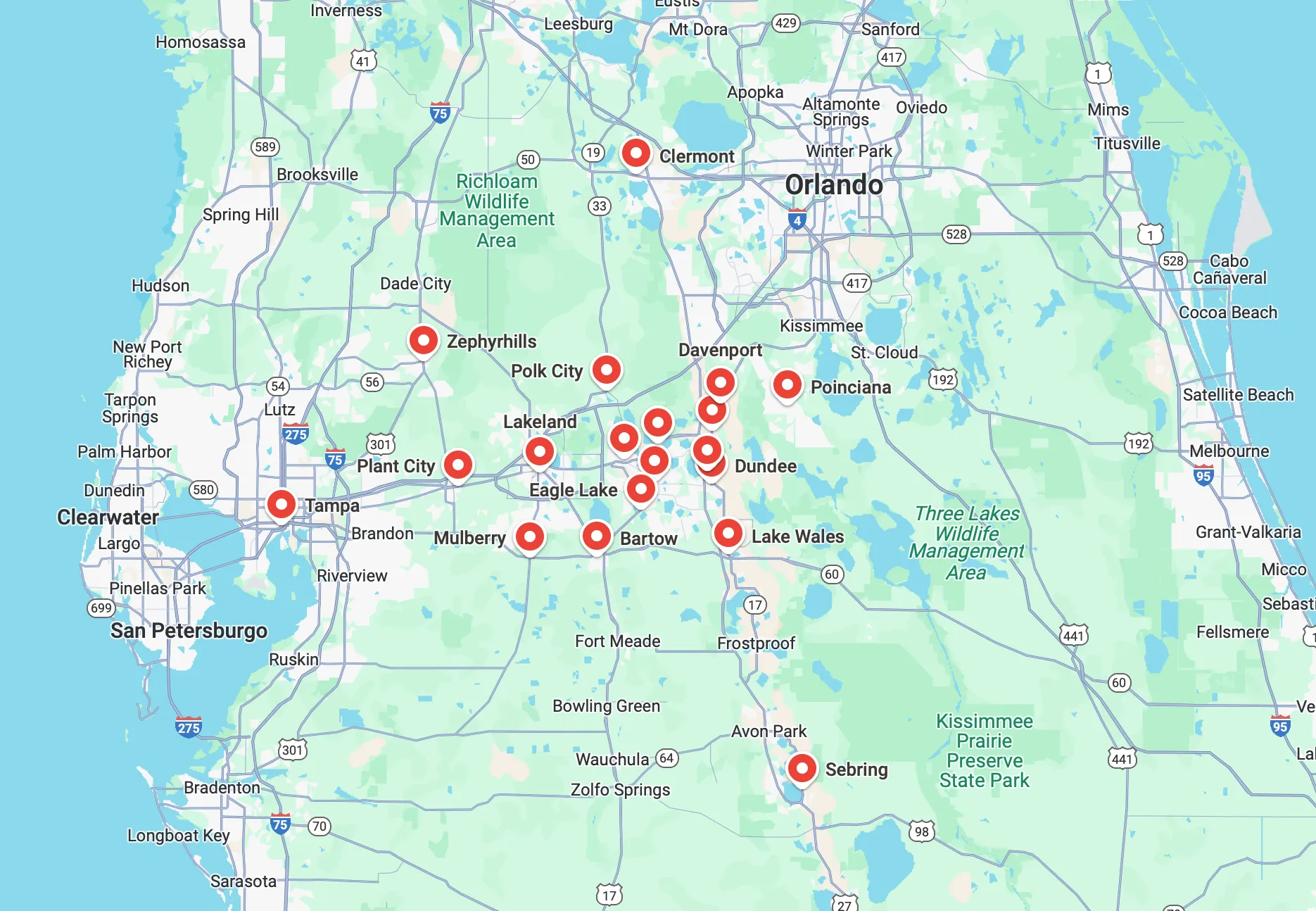
Heating Maintenance in Clermont, FL
Heating Maintenance in Clermont, FL
Keeping your whole-home heating system tuned and ready is about comfort, safety, and long-term value. Even in Clermont, FL where winters are mild, heating systems still face unique stresses from humidity, pollen, salt air in the region, and systems that double for cooling and heating. Regular, professional heating maintenance helps prevent unexpected breakdowns during the coldest nights, preserves efficiency, and extends equipment life so your home stays comfortable year after year.
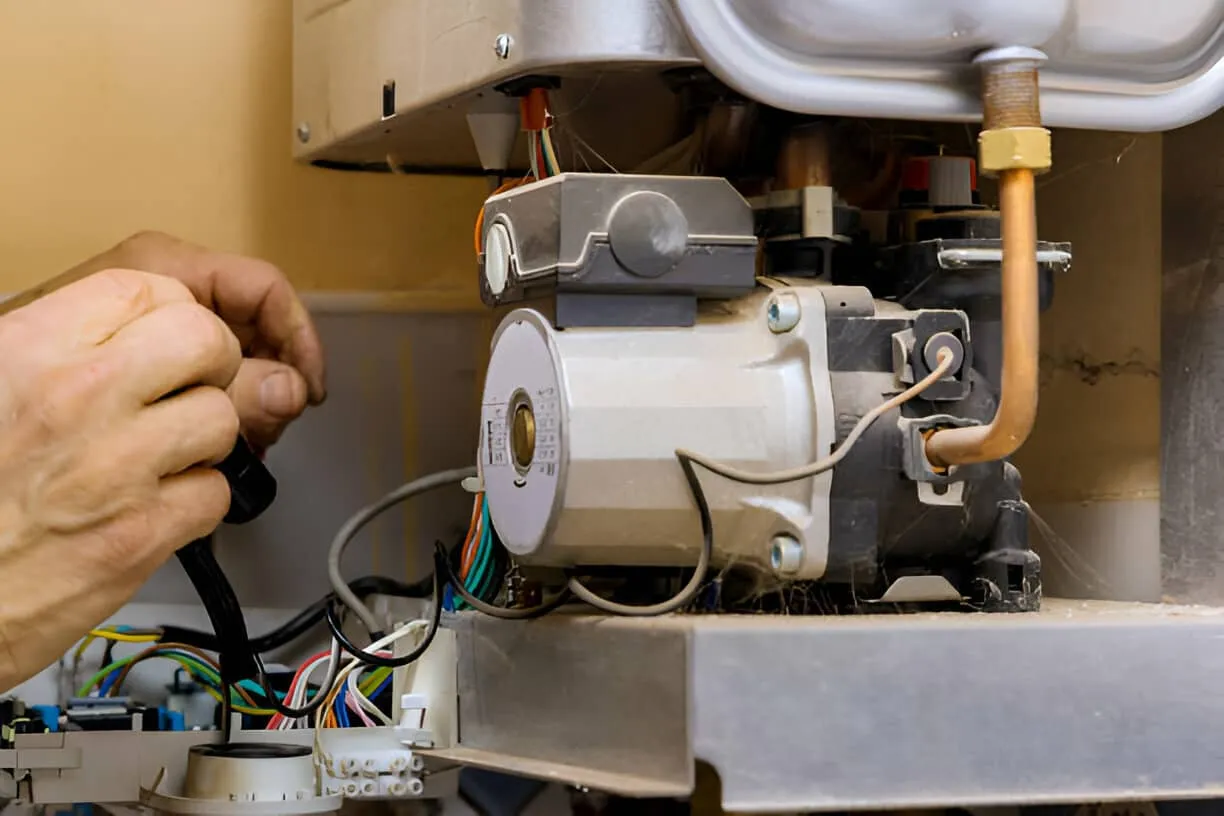
Why heating maintenance matters in Clermont, FL
- Florida homes often use heat pumps or combined HVAC systems. These systems run year-round and require seasonal attention to perform efficiently.
- High humidity, seasonal pollen, and occasional storms accelerate corrosion, clog filters, and create conditions for mold growth in ductwork and drain pans.
- Even when heating is used less frequently than cooling, neglected components such as reversing valves, defrost cycles, electrical connections, and thermostat settings can fail when heat is suddenly needed.
- Proactive maintenance reduces the risk of emergency repairs during cold snaps and helps avoid indoor air quality problems that are amplified by humid subtropical conditions.
Common heating maintenance issues in Clermont homes
- Restricted airflow from dirty filters, blocked return vents, or partially closed dampers
- Reduced heat output due to low refrigerant charge or a failing compressor in heat pumps
- Short cycling caused by thermostat issues, improper refrigerant levels, or clogged coils
- Corroded electrical connections, worn fan motors, or failing capacitors from humidity exposure
- Condensate drain clogs and moisture-related mold growth in drain pans and ducts
- Heat exchanger cracks or combustion problems on gas furnaces (less common but critical to inspect)
- Duct leaks and poor sealing leading to heat loss and higher energy use
What a full heating maintenance service includes
A comprehensive heating maintenance visit inspects and optimizes every part of your system. Typical tasks include:
- Visual inspection of outdoor and indoor units for corrosion, debris, and animal intrusion
- Cleaning of coils, condensate pans, and condensate drain lines to prevent clogs and mold
- Filter inspection and replacement recommendations based on filter type and home conditions
- Motor, blower, and fan inspection with lubrication as needed
- Electrical inspection: tightening connections, checking capacitors, contactors, and safety switches
- Refrigerant level check and leak detection for heat pumps; checking reversing valve and defrost cycle
- Heat exchanger inspection and combustion safety checks on gas furnaces where applicable
- Thermostat calibration and control system verification
- Ductwork inspection for obvious leaks, mold, or disconnected runs; measuring airflow
- Performance test: temperature rise/drop measurement, amperage draw checks, and brief runtime diagnostics
Recommended service intervals for Clermont systems
- Heat pumps and combined HVAC systems: service at least once per year, ideally twice yearly when paired with annual cooling maintenance (spring for cooling, fall for heating). Biannual service ensures both modes are optimized.
- Gas furnaces: annual inspection before the heating season to address combustion safety and heat exchanger integrity.
- Filters: check every month. Replace high-traffic or pet-heavy household filters every 1 month; standard fiberglass or pleated filters every 2 to 3 months; higher MERV or HEPA-style filters according to manufacturer guidance.
- Duct cleaning and deep mold/contaminant remediation: inspect annually; clean as needed based on moisture, visible mold, or pest activity.
Filter and component replacement guidance
- Use the filter efficiency recommended by your system manufacturer. Upgrading to a higher MERV can improve air quality but may reduce airflow if the system is not configured for it.
- Replace air filters more frequently during pollen season (spring) and when humidity rises, both common in Clermont.
- Replace condensate trap and drain components if showing corrosion or recurring clogs.
- Replace worn belts, failing capacitors, or motors when diagnostics show reduced performance or safety margins.
- For heat pumps, consider proactive compressor and reversing valve inspection and replace small components before they cause larger failures.
Efficiency checks and diagnostic tests
- Refrigerant charge verification and leak detection keep heat pump performance steady; undercharging reduces heating capacity and increases run time.
- Electrical load testing identifies failing capacitors or motors before they cause breakdowns.
- Airflow measurements and static pressure testing detect duct obstructions or undersized returns that lead to uneven heating.
- Combustion efficiency testing on fuel-burning systems ensures safe operation and optimal fuel usage.
- Seasonal efficiency tune-ups improve system COP and can lower energy use by a noticeable margin over time.
Benefits of maintenance plans for Clermont homes
- Predictable, scheduled upkeep that aligns with seasonal needs and local climate patterns
- Priority scheduling options for pre-season checks and faster response during cold snaps
- Reduced likelihood of emergency breakdowns and lower risk of expensive component failure
- Improved indoor air quality through regular filter replacement and moisture control
- Better energy efficiency and more consistent comfort across all rooms
- Documentation of service for warranty compliance and resale value
Priority service and plan options explained
Priority service typically means faster appointment windows during peak demand, parts availability tracking, and pre-approved routine visits. Maintenance plans often bundle annual inspections, seasonal tune-ups, and filter replacement reminders into a steady schedule. In Clermont, choosing a plan that times heat-related diagnostics for late fall and cooling checks for early spring ensures systems handle the transition between modes without surprise failures.
Seasonal tips and final thoughts
- Schedule heating maintenance in early fall so the system is ready before brief cold periods arrive.
- Replace filters before pollen season and after major storms to limit airborne particles entering the system.
- Keep outdoor units free of debris, leaves, and vegetation; high humidity can trap moisture against components and accelerate corrosion.
- Monitor indoor humidity levels; excessive humidity can reduce heater efficiency and promote mold in ducts and drain pans.
Regular, professional heating maintenance in Clermont, FL addresses the climate-specific stresses on your system, improves safety and comfort, and protects your investment. A structured maintenance approach-filter care, component inspection, efficiency testing, and seasonal tune-ups—delivers reliable warmth when you need it and keeps running costs under control.

Customer Testimonials

Service Areas