Heating Repair in Clermont, FL
Heating Repair in Clermont, FL
When your heating system underperforms or stops working, it affects comfort and indoor air quality in your Clermont home. While Central Florida winters are mild, cold snaps, overnight lows, and humid mornings make reliable heating - most commonly provided by heat pumps, furnaces, or electric resistance systems - essential.
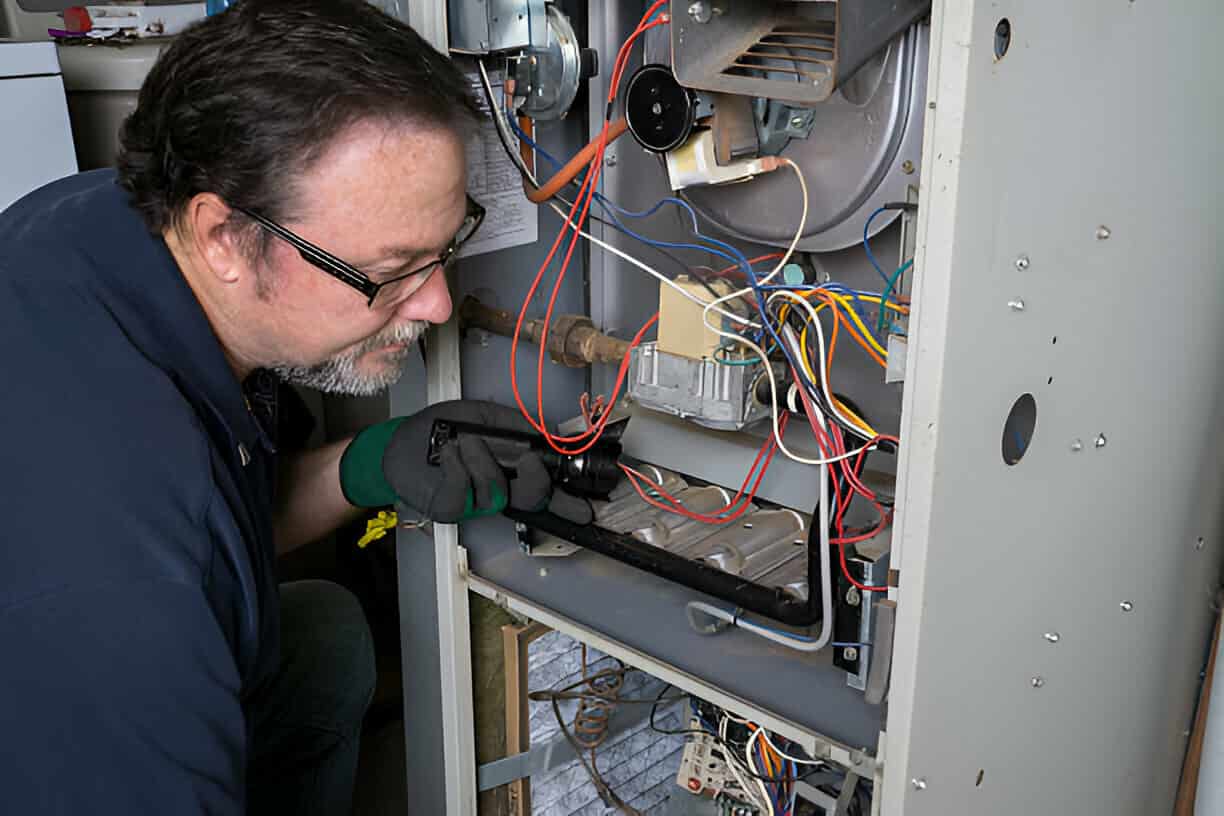
Why timely heating repair matters in Clermont
- Improved comfort during cooler nights and early mornings around Lake Minneola and surrounding neighborhoods.
- Reduced energy use: even short heating inefficiencies increase electric bills in a region where heat pumps run year round for both heating and cooling.
- Safety: gas furnaces or malfunctioning combustion components can present carbon monoxide and fire risks.
- Longevity: prompt repairs prevent small faults from becoming major failures and extend equipment life.
Common heating systems found in Clermont homes
- Heat pumps (most common): provide heating and cooling; rely on refrigerant and outdoor unit operation.
- Gas furnaces (less common inland but present in some properties): use combustion to generate heat and rely on venting and ignition controls.
- Electric furnaces and resistance heaters: simpler electrically powered elements, common in older or smaller systems.
- Boilers (rare for Central Florida but present in some homes): hydronic systems for baseboard or radiant heat.
Common heating repair issues in Clermont, FL
- Heat pump not producing heat: often caused by low refrigerant, compressor failure, faulty reversing valve, or frozen outdoor coils during cold, humid mornings.
- Short cycling or loss of capacity: blocked airflow from clogged filters, duct leaks, or malfunctioning thermostats. Pollen and dust in Clermont can clog filters faster during spring.
- Noisy operation: worn bearings, failing blower motors, or loose panels caused by age and vibration.
- Ignition or pilot problems (furnaces): faulty igniters, dirty flame sensors, or blocked vents. Occasional temperature swings can stress ignition components.
- Uneven heating or cold spots: ductwork leaks, poor insulation, or failing zone controls. Lake-area humidity can exacerbate feeling of chill in poorly insulated rooms.
- Water leaks or condensate problems: clogged condensate drains or failing pumps in high-humidity conditions common around Clermont’s lakes.
- Corrosion and coil damage: humidity accelerates corrosion on outdoor units and electrical components.
Diagnostic and troubleshooting process
Professional repair begins with a systematic diagnosis to identify the root cause rather than treating symptoms:
- Visual inspection of the indoor and outdoor units, electrical wiring, vents, and condensate lines.
- Safety checks: combustion analysis for gas systems, CO monitoring, and thermostat verification.
- Electrical testing: voltage and amperage checks for motors, capacitors, and controls.
- Refrigerant and pressure checks for heat pumps to detect leaks or improper charge.
- Airflow measurement to confirm proper blower function and duct performance.
- Component testing: thermostats, reversing valves, capacitors, contactors, ignition systems, and sensors.
The result is a clear, prioritized list of recommended repairs and the expected outcome for system performance.
Typical repairs and solutions
- Refrigerant leak detection and recharge with leak repair when needed.
- Compressor and capacitor replacement for failed outdoor unit components.
- Thermostat calibration or replacement for uneven control and comfort.
- Blower motor, belt, and fan repairs to restore airflow.
- Igniter, flame sensor, and control board repairs on gas furnaces.
- Condensate drain cleaning and pump replacement to resolve water leaks and shutdowns.
- Duct sealing and insulation improvements to correct hot or cold spots and improve efficiency.
Emergency heating repair availability
Emergency heating repair services are often necessary during unexpected cold spells or when safety issues arise (for example, gas smell or suspected carbon monoxide concerns). Emergency response typically includes:
- Priority dispatch for safety-related failures.
- Temporary measures to restore heat or safe operation until full repairs can be completed.
- Immediate safety checks and shutoff procedures for gas and combustion systems.
Emergency availability is especially valuable during rare but impactful cold snaps in Central Florida when many systems are taxed simultaneously.
Parts sourcing and warranty considerations
- OEM vs aftermarket parts: Original Equipment Manufacturer parts match the factory specifications and maintain warranties, while quality aftermarket parts can be cost-effective for some repairs. The right choice depends on equipment age, availability, and long-term plans for the system.
- Genuine replacement components for heat pumps, compressors, motors, and control boards reduce compatibility issues.
- Warranty transparency: reputable repairs include clear information about parts and labor warranty periods so you know what protection applies after work is completed.
Pricing transparency and estimates
- Clear, written estimates outline parts, labor, and the scope of work so you understand what is required to restore safe and efficient heating.
- Diagnostic fees and how they apply toward repaired work are explained upfront.
- Prioritized repair options help homeowners balance comfort, efficiency, and budget without surprises.
Maintenance recommendations to prevent frequent repairs
- Seasonal tune-ups: an annual pre-winter inspection and service keeps heat pumps and furnaces ready. For heat pumps, a spring or fall check before heating season ensures refrigerant and electrical systems are sound.
- Change filters regularly: high pollen and seasonal allergens in Clermont mean replacing filters every 1 to 3 months depending on filter type and household sensitivities.
- Keep outdoor units clear: trim vegetation and remove debris to preserve airflow and reduce corrosion.
- Inspect vents and ducts for blockages or leaks that reduce efficiency.
- Monitor thermostats and controls: replacing aging thermostats with programmable or smart models can improve comfort and reduce run time.

Customer Testimonials
Discover why our customers love us through their heartfelt testimonials.

Stephen J.
Great company all the way around! I have been using these guys for about 15 years now and have nothing but good things to say about them. They just installed a new unit in my house and I was very pleased with the price and the quality of work. Give them a call you will not regret it!!
Andrea R.
This is one of the most professional companies I have dealt with in a long time. They keep their appointments and communicate any delays asap. Service is top notch! I would recommend them to anyone!
Lisa R.
I’ve never had a business promise, something and then fulfill it until Newbern Air Conditioning. I needed a new air handler, I was quoted a price, And they told me they would wait on me to let them know when I could do it. They also told me when they ordered it. They would install it the day after it came in and they did just that. They are dependable and trustworthy.
Garrett L.
Great folks! They installed a couple units for me almost 2 years ago. One unit started blowing warm air, so I called in a repair around 9:00 a.m. They repaired a poorly seated compression fitting and had it going by 2:30 p.m. the same day under warranty. That says a lot about their work ethics and willingness to stand behind their work.
Matthew M.
Great company i would give more than five stars if it gave me the option, Christopher is a great guy and helped me out alot and works with you. 100 percent beat pricing and work around, if you need any a/c needs come to this place. I appreciate it so much
Kimberly G.
This is your AC company! Any problem we have ever had they have been fast and so professional. New unit was installed today and his crew was amazing and polite just like him! If I could give 10 stars I would! Thank you!!!
Service Areas
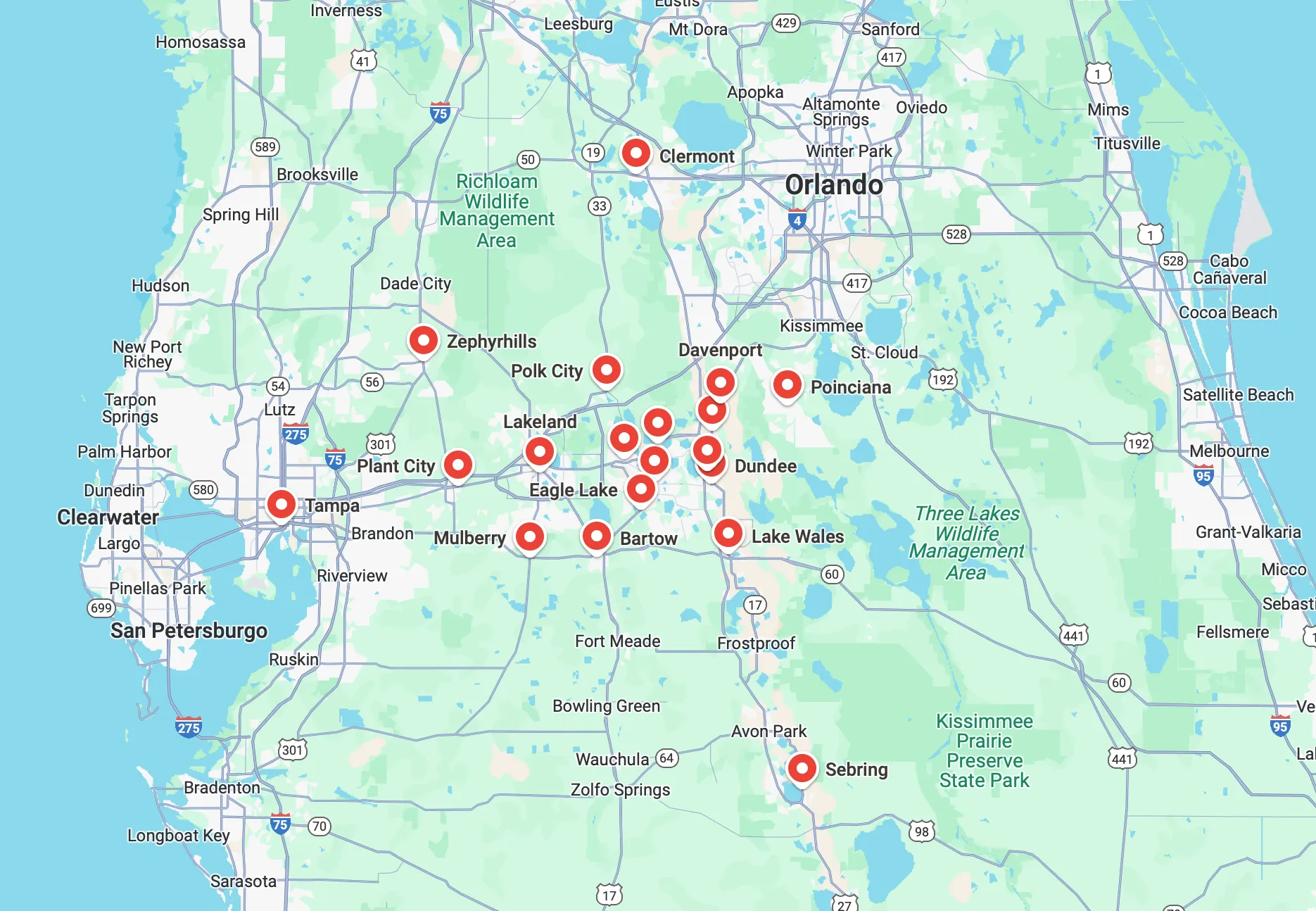
Not sure if we cover your neighborhood? Give us a quick call we’ll let you know in seconds.