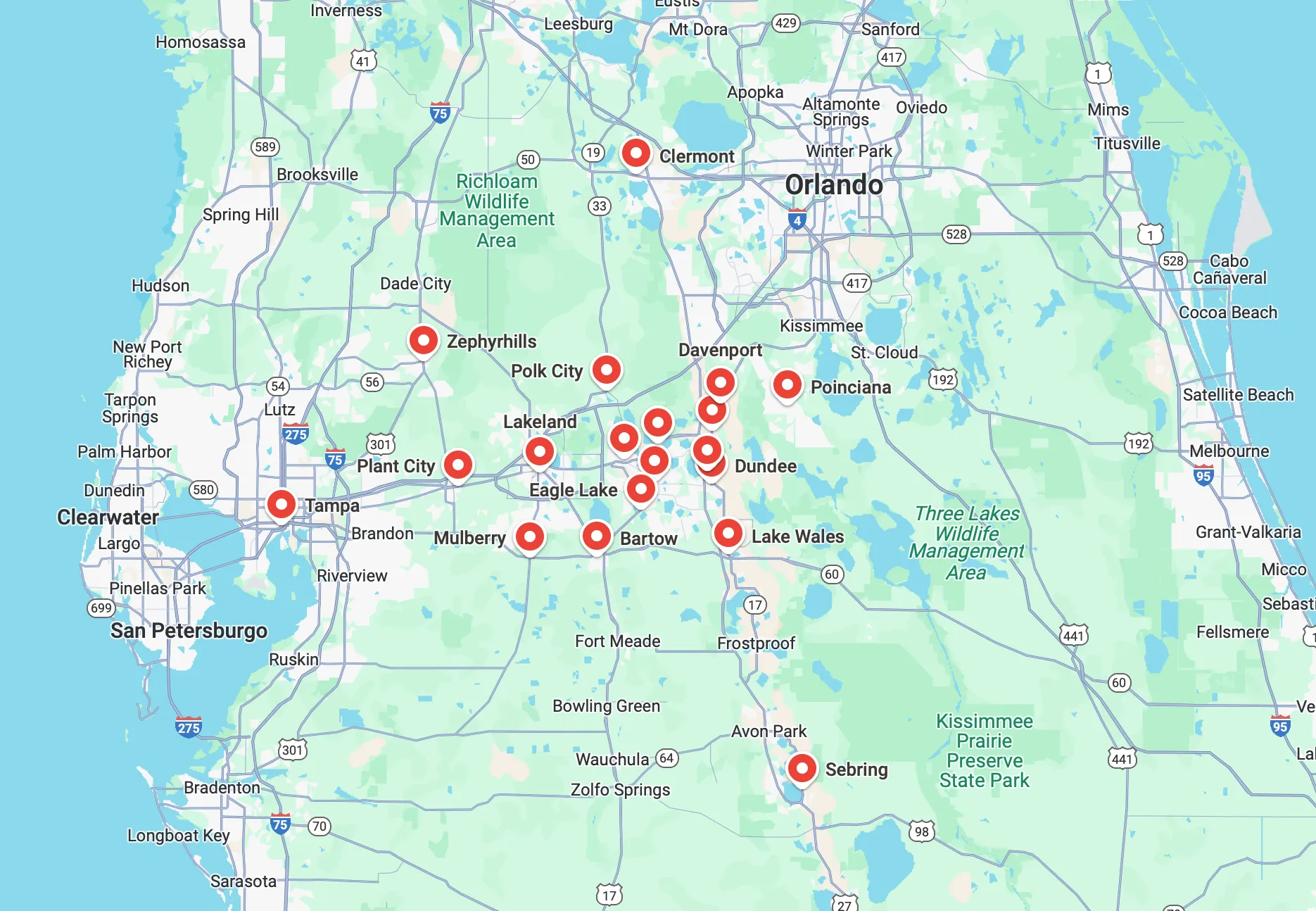
Heating Furnace Service in Clermont, FL
Heating Furnace Service in Clermont, FL
Keeping your home comfortable and safe during cooler months in Clermont, FL requires reliable heating furnace service tailored to local conditions. While Central Florida winters are mild compared with northern climates, occasional cold snaps, high humidity swings, and frequent thunderstorms can stress heating systems. Regular diagnostics, tune-ups, minor repairs, and safety inspections reduce breakdown risk, improve efficiency, and protect indoor air quality.
.jpeg)
Why furnace service matters in Clermont, FL
- Many homes in Clermont alternate between heat and air systems or use heat pumps, so seasonal startup problems are common when furnaces are used intermittently.
- Humidity and pollen can clog filters and restrict airflow, increasing wear and lowering efficiency.
- Thunderstorms and power fluctuations can cause ignition and control-board issues when systems restart after outages.
- Safety concerns such as carbon monoxide risk and cracked heat exchangers still apply in subtropical climates; regular inspections are essential.
Common furnace problems in Clermont, FL
- Clogged filters and reduced airflow causing short cycling and uneven heating
- Ignition failures or intermittent pilot/ignition control issues after power outages
- Thermostat miscalibration or communication errors between thermostat and furnace
- Dirty burners or combustion inefficiency leading to elevated fuel use
- Blower motor failure or worn belts producing noise and reduced circulation
- Cracked heat exchanger and CO risk in older gas furnaces
- Electronic control board failures, often after lightning or electrical surges
Types of heating furnace services offered
- Diagnostic evaluation: System performance assessment, filter inspection, airflow testing, combustion and safety checks, and a written diagnostic report.
- Minor repairs: Thermostat recalibration, filter replacement, pilot or ignition repairs, blower motor lubrication, belt replacement, capacitor swaps, and small electrical fixes.
- Maintenance and tune-ups: Cleaning burners, adjusting gas pressure (where applicable), lubricating moving parts, tightening electrical connections, and verifying proper combustion and venting.
- Safety inspections: Carbon monoxide testing, heat exchanger inspection, flue and vent evaluation, and safety-control verification.
- Service plans: Scheduled annual or biannual maintenance, priority scheduling, waived diagnostic fees on repairs, and discounts on parts and labor.
What to expect during diagnostics and repairs
- Initial visual inspection of the furnace and surrounding area, including filter and return-air grille check.
- HVAC technicians will check electrical connections, thermostat communication, blower operation, and ignition sequence.
- For gas systems, combustion analysis and venting inspections are performed to confirm safe operation.
- Technicians will document findings and provide a clear, written estimate before performing non-emergency repairs.
- Minor repairs are often completed the same visit when trucks are stocked with common parts; more complex jobs may require ordering manufacturer-specific components and a follow-up visit.
Response times and scheduling norms in Clermont
- Emergency or unsafe-system responses: commonly within 2 to 4 hours when a unit is producing unsafe conditions such as suspected carbon monoxide or complete heating failure during a cold snap.
- Same-day service: for urgent but non-life-threatening failures, many providers aim for same-day availability when scheduled early in the day.
- Standard repairs and maintenance: typical windows are within 24 to 72 hours, with pre-scheduled appointments available for routine tune-ups.
- Appointment management: arrival windows, text or email confirmations, and same-day technician tracking are standard options to help you plan.
Technician qualifications and standards
- State-licensed HVAC technicians with formal training and continuing education in modern systems, gas safety, and electrical diagnosis.
- Certifications such as NATE (North American Technician Excellence) and EPA 608 for refrigerant-handling where heat pumps are involved.
- Manufacturer-specific training for newer furnaces and control systems, plus experience with heat pump reverse cycles common in Florida homes.
- Safety-first protocols: carbon monoxide testing, lockout procedures for unsafe equipment, and clear documentation of risks and recommended repairs.
- Professional standards typically include background checks, uniformed technicians, and truck-stocked parts for common repairs.
Customer service policies you can expect
- Transparent, written estimates before performing non-emergency repairs and explanation of diagnostic findings in plain language.
- Diagnostic fee policies that may be applied toward repairs completed during the same visit.
- Documented service history retained with warranty details for parts and labor; warranty terms vary by part and manufacturer.
- Safety commitment: immediate shut-down and clear explanation if a system is deemed unsafe to operate, plus guidance on repair versus replacement options.
- Service-plan members typically receive priority scheduling, reduced labor rates, and waived or reduced diagnostic fees.
Service plan benefits for Clermont homeowners
- Annual or biannual inspections timed to local seasonal needs to prevent emergency calls during cold snaps.
- Priority response during high-demand periods and discounted repair rates.
- Regular filter reminders and maintenance logs that can extend equipment life and maintain manufacturer warranties.
- Reduced total cost of ownership through proactive care and early detection of issues like failing heat exchangers or corroded components.
Frequently Asked Questions (FAQs)
Q: How often should I have my furnace inspected in Clermont?
A: Annual inspections are recommended, ideally before the cooler months or seasonal transitions when systems are brought back into service. Homes that use heat pumps may benefit from biannual checks to cover both heating and cooling seasons.
Q: My furnace only runs briefly then shuts off. Is that serious?
A: Short cycling reduces efficiency and increases wear. Causes range from dirty filters and restricted airflow to thermostat or control problems. A diagnostic check identifies the cause and the appropriate repair.
Q: Are carbon monoxide checks necessary even in Clermont where heating is less frequent?
A: Yes. Any gas-fired furnace can develop a cracked heat exchanger or venting issue. Carbon monoxide testing and proper vent inspections are essential for safety regardless of frequency of use.
Q: What should I expect in terms of cost and estimates?
A: Expect an upfront written estimate for non-emergency repairs. A diagnostic fee is common and may be credited toward repairs completed during the same visit. Warranties for parts and labor are documented at the time of service.
Q: Should I repair an old furnace or replace it?
A: Consider replacement when repair costs approach 50 percent or more of a new system, when efficiency is low, or when repeated breakdowns occur. Upgrading may improve comfort, reduce operating costs, and address safety concerns.
Q: Do service plans really help?
A: For many Clermont homeowners, service plans reduce the likelihood of unexpected failures, provide priority service during peak times, and often save money on routine maintenance and repairs over time.

Customer Testimonials

Service Areas