Heating Furnace Repair in Clermont, FL
Heating Furnace Repair in Clermont, FL
Your home deserves reliable heat when Central Florida temperatures dip. Even though Clermont winters are milder than northern climates, heating furnaces in the area still face unique stressors from humidity, seasonal electrical storms, and periods of intermittent use. Our focus here is to explain how professional heating furnace repair in Clermont, FL works, what common problems look like, what to expect during diagnosis and repair, emergency options, typical timelines, warranty practices, and preventive steps to reduce future breakdowns.
.jpeg)
Why timely furnace repair matters in Clermont, FL
Many Clermont homes use a mix of systems including gas furnaces, oil burners, and heat pumps. When a furnace fails, it can affect comfort, safety, and indoor air quality. Moisture and humidity common in Central Florida can accelerate corrosion, encourage mold in ductwork, and impair electrical components, so addressing small issues early prevents larger, more expensive problems later.
Common furnace problems in Clermont homes
Here are the most frequent issues technicians see on heating furnace repair calls in Clermont, and how they typically present:
- Ignition or pilot failures
- Symptoms: furnace won’t start, repeated trial for ignition, visible yellow or weak flame
- Causes: clogged pilot orifice, failed igniter, dirty flame sensor
- Blower motor and airflow problems
- Symptoms: weak or no airflow from vents, unusual noises, overheating shutdowns
- Causes: worn motor bearings, bad capacitor, blocked filters, dirty blower wheel
- Thermostat faults and controls
- Symptoms: furnace cycles at wrong times, temperature mismatch, short cycling
- Causes: incorrect calibration, wiring issues, failed control board
- Heat exchanger issues
- Symptoms: unusual odors, excessive cycling, visible cracks on inspection, or CO safety concerns
- Causes: age, corrosion, thermal stress
- Note: heat exchanger cracks are a safety concern and often require replacement rather than repair
- Electrical and ignition controls
- Symptoms: intermittent operation, error codes displayed, furnace locks out
- Causes: failing control board, loose connections, power surges from storms
- Fuel supply problems
- Symptoms: furnace not staying lit, pressure or flow irregularities
- Causes: dirty fuel lines, blocked gas valves, regulator faults
Diagnostic process for heating furnace repair in Clermont, FL
A thorough diagnostic is the first step. Typical diagnostic steps include:
- Safety check and system shutdown if needed
- Visual inspection of burners, pilot/ignition assembly, heat exchanger, and blower
- Electrical tests: voltage, capacitor condition, control board diagnostics
- Gas pressure and combustion analysis for gas furnaces to confirm safe and efficient burning
- Airflow measurement and filter inspection
- Thermostat calibration check and wiring inspection
- Reporting findings with prioritized repair recommendations
Diagnostics are performed to identify root causes, not just symptoms, because Clermont humidity and periodic storms can create compound issues.
Typical repairs and what they involve
Common repairs you may see after diagnostics include:
- Cleaning or replacing the flame sensor and pilot assembly
- Replacing failed ignitors or ignition modules
- Replacing or rebuilding blower motors and capacitors
- Repairing or replacing control boards and relays
- Sealing or repairing duct joints to restore airflow
- Replacing a cracked heat exchanger when repair is not safe or feasible
- Thermostat recalibration or replacement
Each repair includes safety checks and post-repair testing to confirm proper operation and safe combustion where applicable.
Emergency furnace repair availability in Clermont
Emergency calls are important during unexpected cold snaps or when a system failure presents a safety concern. Emergency furnace repair services generally prioritize:
- Systems that produce unsafe combustion signs
- Carbon monoxide alarms that correlate with furnace operation
- Complete heating failures in extreme temperature conditions
- Loss of heat for vulnerable household members
In emergencies, technicians focus on immediate safety diagnostics and temporary measures to restore heat while planning any required parts replacement.
Expected timelines for repairs
Timeframes vary by problem complexity:
- Basic diagnostics: typically 30 to 90 minutes
- Minor repairs (sensors, ignitors, capacitors, filters): often completed within 1 to 3 hours
- Blower motor replacement or control board swap: commonly 2 to 6 hours depending on system access and parts on hand
- Major repairs (heat exchanger replacement or full system replacement): could require a full day or multiple visits to source specialized parts
Technicians should provide a clear timeline after diagnosis and explain any potential delays due to part availability or safety requirements.
Parts and labor warranty practices
Warranty coverage varies by part type and service provider. Common practices you can expect:
- Manufacturer parts warranties vary widely; some parts carry limited factory coverage for a set period
- Service providers often offer limited labor warranties for repairs, typically ranging from 30 to 180 days depending on the repair
- New component installations may carry a separate parts warranty plus a labor warranty for a specified timeframe
- Warranties usually exclude damage from improper maintenance, tampering, or unrelated system failures
Always ask for written warranty details specific to the parts and labor performed on your system.
Preventative tips to reduce future furnace repairs
Regular maintenance helps extend furnace life and reduce emergency repairs, especially in Clermont where humidity and storms are factors:
- Replace or clean air filters every 1 to 3 months during heating season
- Schedule an annual heating tune-up before the start of cooler months to inspect combustion, clean burners, and test safety controls
- Keep the furnace area clean and free of debris and stored items that could restrict airflow
- Install and maintain carbon monoxide detectors near sleeping areas and on each level with fuel-burning appliances
- Check and seal ductwork to improve airflow and reduce load on the blower motor
- Protect outdoor units and electrical components from storms and lightning where possible

Customer Testimonials

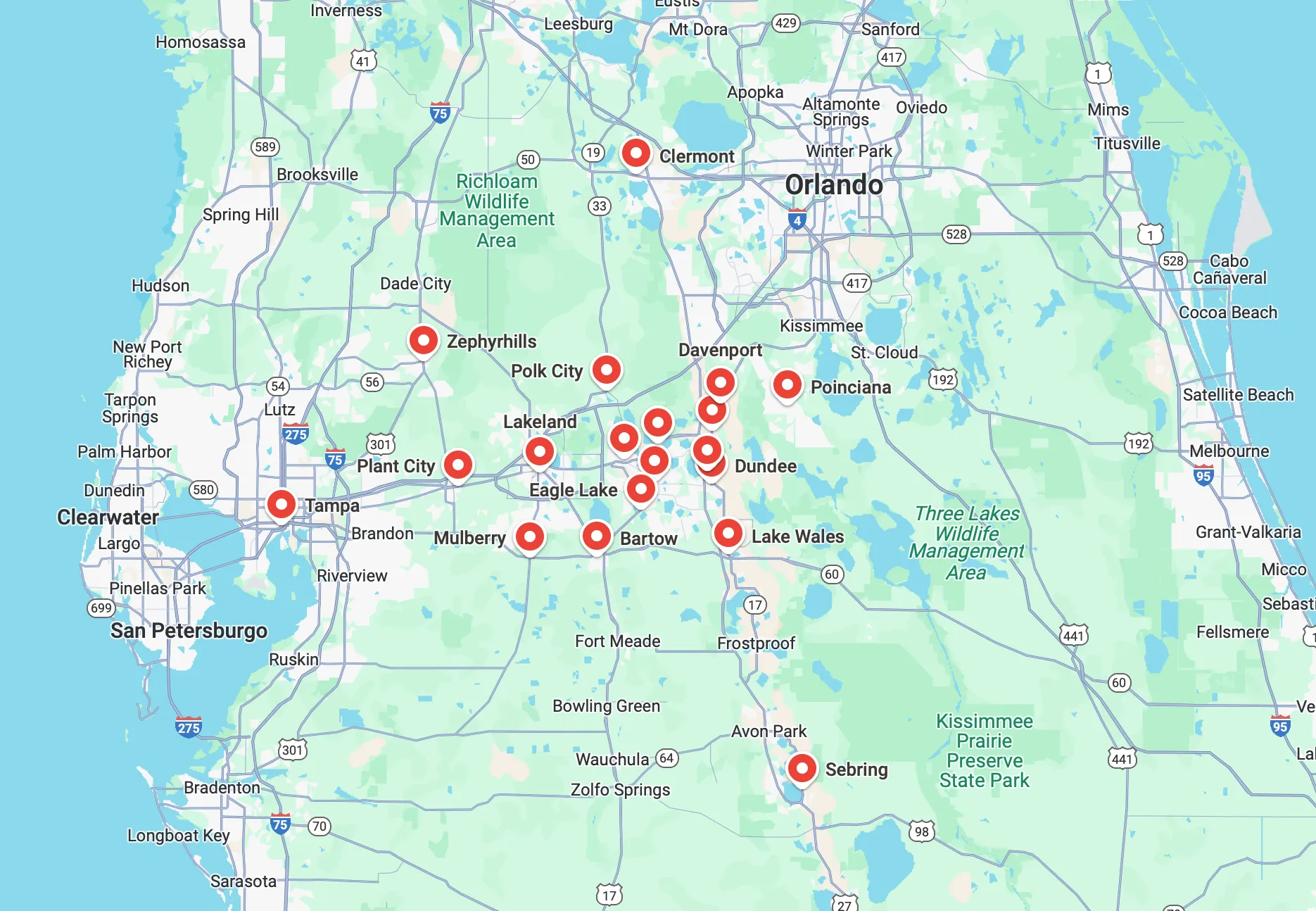
Service Areas