Mini Split Service in Lake Wales, FL
Mini Split Service in Lake Wales, FL
Mini split systems are a popular choice for Lake Wales, FL homes because they deliver efficient, zone-specific cooling and heating without ductwork. In a climate with long, humid summers, frequent storms, and seasonal pollen, routine mini split service keeps your system performing reliably, lowers energy costs, and protects indoor air quality.
.webp)
Why regular mini split service matters in Lake Wales, FL
Lake Wales experiences high humidity, warm temperatures for much of the year, and periodic severe weather. These local conditions increase strain on mini split equipment and create maintenance priorities such as:
- Moisture-related issues that encourage mold and mildew in indoor units and drain lines.
- High pollen and dust buildup that clog filters and reduce airflow.
- Frequent use that increases electrical component wear and refrigerant stress.Regular service reduces the risk of unexpected failures during peak cooling months and helps maximize efficiency and system lifespan.
Common mini split issues in Lake Wales homes
Homeowners in the area typically encounter these problems without routine maintenance:
- Restricted airflow from clogged filters and dirty evaporator coils, causing poor cooling and frozen coils.
- Reduced efficiency and uneven cooling due to dirty outdoor coils and obstructed condensers.
- Refrigerant leaks or undercharge leading to lower cooling capacity and higher power use.
- Clogged condensate drains that cause water leaks, drip pan overflow, or microbial growth.
- Electrical faults such as loose connections, failing capacitors, or worn relays causing intermittent operation or no-start conditions.
- Sensor malfunctions or control communication errors that affect temperature regulation.
What a comprehensive mini split tune-up includes
A proper tune-up addresses the common failure points and optimizes performance. Typical tasks performed during a routine service visit:
- System history review and performance check to identify any recurring issues.
- Replacement or deep cleaning of washable filters; inspection and replacement recommendations for disposable filters.
- Evaporator and condenser coil cleaning to restore heat transfer efficiency.
- Refrigerant level check and leak detection; documentation of pressures and temperatures.
- Electrical inspection: tighten terminals, test capacitors, contactors, and breakers.
- Check and clear condensate drain lines; clean drain pan and verify proper drainage.
- Fan motor and blower inspection, lubrication where applicable.
- Thermostat or remote control function check and sensor calibration.
- Airflow and temperature split measurement to confirm proper operation.
- Inspection of outdoor unit mounting, refrigerant line insulation, and weather sealing.
Diagnostics and performance testing
Technicians use straightforward diagnostic steps to pinpoint issues and verify repairs:
- Visual inspection to catch obvious damage, corrosion, or pest nesting.
- Static pressure and airflow readings to evaluate ductless blower performance.
- Temperature split test: measure supply and return temperatures to assess cooling efficiency.
- Refrigerant pressure testing and superheat/subcooling checks to detect leaks or incorrect charge.
- Electrical testing with multimeters to check voltage, current draw, and component health.
- Condensate and humidity inspection to identify moisture problems that affect indoor air quality.
These diagnostics help separate simple maintenance needs from repairs that require parts replacement or refrigerant recovery.
Repairs and common solutions
When routine checks reveal problems, common repair solutions include:
- Coil and blower cleaning or replacement for severely corroded or damaged components.
- Refrigerant leak repair and recharge following local regulations and documented leak testing.
- Replacement of capacitors, contactors, motors, or control boards when components show failure signs.
- Clearing or replacing condensate lines and repairing or replacing the drain pan.
- Replacing worn or damaged air filters and upgrading to higher MERV-rated washable filters to improve indoor air quality.
- Re-sealing refrigerant line insulation and securing outdoor units to prevent future damage.
Technicians typically provide a prioritized list of recommended repairs, explain the expected benefits for efficiency and comfort, and document pre- and post-service performance metrics.
Service plans and maintenance agreements in Lake Wales
Service plans make recurring maintenance predictable and ensure your system is inspected on a schedule aligned with local climate demands. Typical plan features:
- Scheduled biannual or annual tune-ups timed to prepare systems for peak cooling and off-season checkups.
- Planned reminders and performance records for each visit.
- Priority scheduling during peak season and after storms.
- Discounted labor or parts for covered repairs depending on plan level.
- Documentation that supports warranty compliance and resale value.
Enrolling in a maintenance agreement usually involves selecting a frequency and scope of service. Providers coordinate recurring visits and keep a service history for each system, which is especially useful in climates like Lake Wales where humidity and pollen drive frequent upkeep needs.
Benefits of regular mini split servicing
Routine maintenance delivers measurable benefits:
- Lower energy bills by restoring heat transfer efficiency and reducing compressor run time.
- Improved comfort with consistent zone temperatures and faster recovery after heavy use.
- Longer equipment life by preventing premature failure of electrical and mechanical parts.
- Better indoor air quality through regular filter and coil cleaning, reducing allergens and microbial growth.
- Fewer emergency repairs and less downtime during the hottest months.
- Documentation for warranties and potential added value at resale.
Final maintenance tips for Lake Wales homeowners
- Schedule at least one pre-summer tune-up to ensure peak performance during the hottest months. A second check in late fall helps prepare the system for seasonal shifts.
- Use washable filters where practical and clean them monthly during high pollen season.
- Keep outdoor units clear of vegetation, debris, and mulch to maintain airflow.
- Monitor condensate lines and look for signs of mold or pooling water as early indicators of clogs.
- Track energy use and temperature performance; noticeable changes often signal the need for service.
Regular mini split service in Lake Wales, FL protects your comfort and investment by addressing the specific demands of the local climate. Properly maintained systems run more efficiently, last longer, and provide better indoor air quality, all of which matter most when heat and humidity are routine.

Customer Testimonials

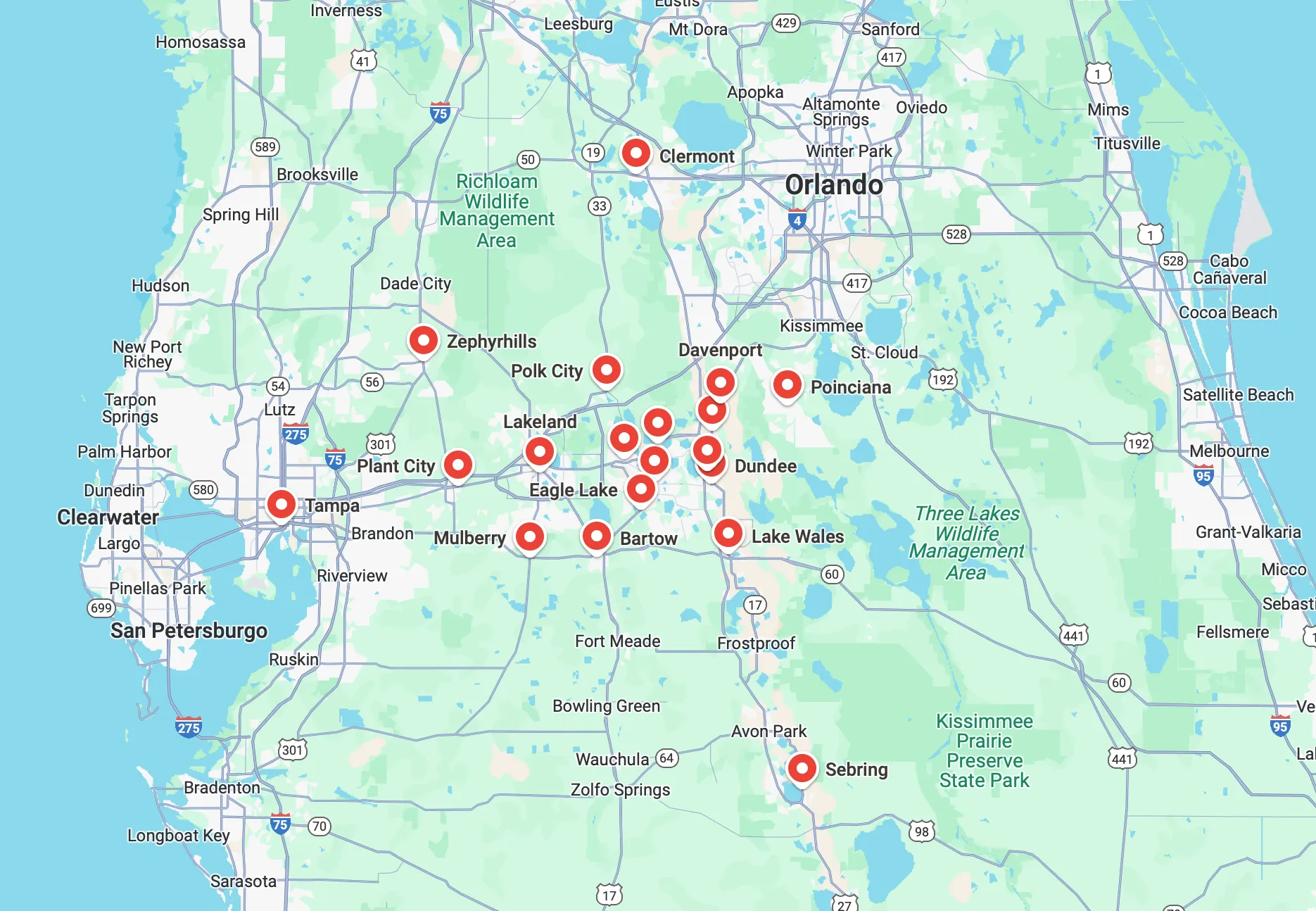
Service Areas