Mini Split Installation in Lake Wales, FL
Mini Split Installation in Lake Wales, FL
Installing a mini split system in Lake Wales, FL is an effective way to gain precise temperature control, improved energy efficiency, and better indoor comfort in a region that sees long, humid summers and frequent heavy storms. A properly executed mini split installation reduces humidity, lowers electric consumption compared with older central systems for zoned spaces, and avoids ductwork losses in older Florida homes.
.webp)
Why a mini split makes sense in Lake Wales, FL
- Humidity control: Mini splits dehumidify while cooling, which helps in Lake Wales homes where high humidity is common during the extended warm season.
- Zoned comfort: Ideal for additions, converted attics, garages, or rooms without ductwork.
- Efficiency in mild winters: Heat pump models provide economical heating during Lake Wales mild winters.
- Less invasive installation: Minimal wall penetrations and no ductruns reduce disruption to older masonry or plaster walls.
Common mini split installation types in Lake Wales
- Single-head systems for one room or small addition
- Multi-zone systems serving multiple rooms from one outdoor unit
- Ceiling cassette or high-wall indoor units depending on space and aesthetics
- Heat pump models for both heating and cooling year round
Typical problems clients want solved
- Uneven cooling in rooms without ducts
- High energy bills from window units or inefficient central systems
- Moisture and mildew in seldom-used spaces
- Need for quiet, unobtrusive climate control in living and sleeping areas
Pre-installation: site survey and load calculations
A successful installation begins with a professional site survey and accurate load calculation. Expect the following:
- Visual inspection of the home layout, insulation levels, sun exposure, window sizes and orientations, and attic ventilation.
- Manual J load calculation to determine required capacity for each zone. This prevents oversizing, which can reduce dehumidification, and undersizing, which limits comfort.
- Determination of optimal indoor unit locations for airflow and comfort, and the best outdoor unit placement for service access and airflow clearance.
- Assessment of electrical service capacity and whether a dedicated circuit, subpanel, or meter upgrade is needed for Polk County and Florida electrical requirements.
System selection and placement considerations
- Match system capacity and efficiency ratings to the load calculations. SEER and HSPF ratings impact long term operating costs.
- Choose indoor unit style based on room use and appearance: wall-mounted for living areas, concealed duct for minimal visibility, or cassette for ceilings.
- Outdoor unit placement should avoid direct sun where possible, allow 24 to 36 inches of clearance for airflow, and be sited on a level pad or wall bracket. In central Florida consider elevated mounts or secured pads to mitigate standing water after heavy storms.
- Plan refrigerant line routing to minimize bends and total length. Longer line sets can require additional refrigerant and affect performance.
Electrical and refrigerant line installation
- Installations include running a dedicated electrical circuit sized per manufacturer specifications and local code, installing a disconnect at the outdoor unit, and connecting control wiring between indoor and outdoor units.
- Refrigerant lines, insulation, and condensate drain are run through a single small hole (typically 3 inch or less) that is sealed and trimmed for a neat finish.
- For factory-sealed systems, technicians will vacuum the lines and open factory connections. For field-charged systems, proper weighing and charging of refrigerant is performed.
- Work complies with EPA refrigerant handling guidelines and Florida code requirements for refrigerant and electrical work.
Permitting and code compliance
- Permits are typically required by Polk County and the Florida Building Code for HVAC installations. Expect permit review that covers electrical, structural penetrations, and equipment location.
- Installation must meet the Florida Building Code for mechanical systems and local wind-resistance or fastening requirements where applicable.
- Licensed HVAC contractors will document compliance and provide the necessary inspection-ready documentation for local inspectors.
Expected timeline
- Site survey and load calculation: same day or within a few days of request.
- Permit approval: dependent on Polk County processing times; often several days to two weeks.
- Typical single-zone installation: 1 day for a straightforward interior room. Multi-zone or complex installations: 1 to 3 days depending on line runs, number of indoor units, electrical work, and permit conditions.
- Projects involving electrical service upgrades or structural modifications may add time.
Post-installation testing and commissioning
- System evacuation and leak check to ensure integrity of refrigerant circuit.
- Accurate refrigerant charging when required and verification of system pressures temperatures and superheat/subcooling where applicable.
- Airflow and temperature balance check at each indoor unit to confirm loads are met and dehumidification is effective.
- Thermostat or controller setup, Wi Fi or smart controls configuration if included, and demonstration of basic operation.
- Final walk-through includes explaining filter access, drain line routing, and noise expectations.
Warranty, documentation, and maintenance handover
- Provide manufacturer warranty documentation and register equipment per manufacturer instructions.
- Deliver a maintenance checklist that includes:
- Regular filter cleaning every 1 to 3 months depending on use
- Outdoor coil and area cleared of debris seasonally
- Annual professional tune up focusing on refrigerant charge, electrical connections, and condensate drain clearing
- Checking wall penetration seals and insulation condition after storms
- Explain common troubleshooting steps for homeowners: filter replacement, checking breaker and disconnect, and ensuring drainage is not clogged.
Common installation issues and solutions in Lake Wales
- Corrosion concerns: Inland Lake Wales is less impacted by salt air than coastal areas, but regular checks of outdoor unit fasteners and pads after wet seasons are recommended.
- Heavy storm preparation: Secure outdoor units to pads or brackets and verify vibration isolation and bracing after high winds.
- Excess humidity or short cycling: Often due to oversizing or improper airflow. Correct sizing and professional commissioning resolves these issues.
Long-term benefits for Lake Wales homeowners
A correctly installed mini split provides reliable, zoned comfort with improved humidity control and reduced operating costs for conditioned rooms. With proper permitting, professional installation, and annual maintenance, mini splits can deliver quiet performance and energy savings in the Florida climate for many years.
This overview outlines what to expect during a mini split installation in Lake Wales, FL so you can make an informed decision about system selection, schedule, and long-term care of your new equipment.

Customer Testimonials

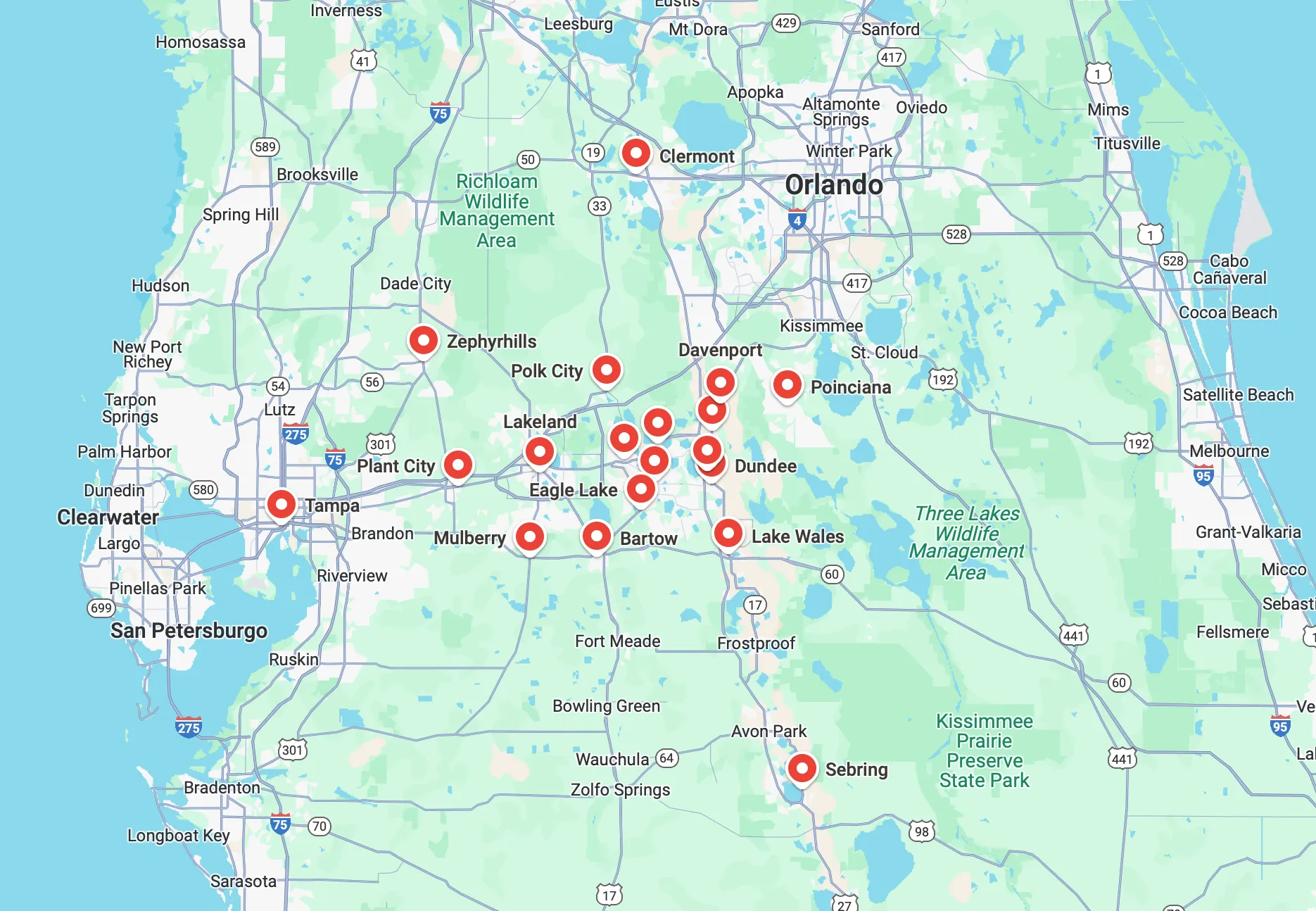
Service Areas