Mini Split AC in Lake Wales, FL
Mini Split AC in Lake Wales, FL
Mini split AC in Lake Wales, FL provides an efficient, flexible way to cool homes and small commercial spaces in a region where high heat and humidity are year round concerns. These systems deliver zoned cooling without ducts, reduce energy waste, and provide strong dehumidification—benefits that matter for Lake Wales homes with older construction, added living spaces, or rooms that never seem to get comfortable.
.webp)
Why a mini split makes sense in Lake Wales, FL
- Zoned comfort for hot, humid weather: Lake Wales experiences extended warm seasons. Mini splits let you cool only the rooms in use, which lowers runtime and energy use while keeping humidity under control.
- No ductwork required: Many Central Florida homes lack efficient ducts or have attics that make ducted systems less effective. Ductless mini splits avoid duct losses and the mold and moisture issues ducts can introduce in humid climates.
- Quiet, efficient operation: Modern inverter-driven compressors run more quietly and vary speed to match load, which improves comfort and reduces energy bills compared with older single-speed systems.
- Easy retrofits and additions: Converting a sunroom, bonus room, garage, or small office into conditioned space is simple with a mini split, avoiding major construction.
Common mini split types and capacities
- Single-zone ductless: One outdoor unit connected to one indoor head. Ideal for a master bedroom, guest suite, or small office.
- Multi-zone ductless: One outdoor unit supports 2 to 8 indoor heads. Best for whole-floor solutions or multiple rooms with different cooling needs.
- Ducted mini split: Concealed fan coil installed in an attic or closet, connecting to short ducts or a grille. Good when aesthetics require hidden indoor equipment.
- Ceiling cassette and floor-mounted heads: Options to match room layout and airflow needs; cassettes work well in open areas, floor units suit rooms with limited wall space.
Typical capacity ranges:
- Small rooms: 6,000 to 9,000 BTU
- Medium rooms: 9,000 to 12,000 BTU
- Large rooms or open spaces: 12,000 to 24,000+ BTUCapacity selection depends on square footage, ceiling height, sun exposure, insulation, and occupancy.
Brand and model considerations
When comparing brands and models, focus on performance specs and features that matter in Lake Wales:
- Energy efficiency: Look at SEER and HSPF ratings for cooling and heating efficiency. Higher ratings reduce seasonal operating costs in Florida’s long cooling season.
- Inverter technology: Variable-speed compressors provide better comfort, less cycling, and improved dehumidification.
- Dehumidification mode: Essential in humid climates to avoid clammy indoor conditions even when temperatures are moderate.
- Noise levels: Check indoor and outdoor dB ratings; quieter indoor units improve sleep and living comfort.
- Warranty and parts availability: Choose brands with good warranty terms and local service networks for quicker repairs.Common reputable manufacturers include Mitsubishi Electric, Fujitsu, Daikin, LG, and Panasonic. Model choice should align with capacity needs, efficiency targets, and available features like smart controls or enhanced filtration.
Recommended sizing guidelines for Lake Wales homes and small businesses
Sizing is critical to performance. Oversized units short-cycle and underdeliver on dehumidification; undersized units struggle to reach setpoints. Use these guidelines as a starting point:
- Rule of thumb: 20 to 30 BTU per square foot for typical Florida conditions, adjusted for insulation, ceiling height, and sun exposure.
- Sun-exposed rooms: Increase capacity if windows face south or west, or if window area is large.
- High ceilings or poor insulation: Increase capacity to account for increased volume and heat gain.
- Kitchen or high-occupancy areas: Add extra capacity for appliance heat and occupant load.A professional load calculation (Manual J) is recommended to determine precise sizing based on Lake Wales-specific conditions and building details.
Installation and assessment process
A typical mini split project in Lake Wales follows these steps:
- Site assessment: Evaluate room layout, insulation, window orientation, and electrical supply. Check for line-of-sight and mounting locations for indoor heads.
- Load calculation: Perform a cooling load calculation to size indoor and outdoor units correctly.
- Equipment selection: Choose model, head styles, and line set routing based on assessment and aesthetic preferences.
- Permitting: Obtain required local permits and ensure installation meets Florida mechanical codes and any HOA guidelines.
- Installation: Mount indoor heads, install the outdoor condenser, run refrigerant lines and condensate drain, hook up electrical, and commission the system.
- Final testing and instruction: Verify refrigerant charge, airflow, and controls; explain operation and maintenance basics.
Expect minimal disruption compared with ducted system retrofits. Outdoor unit placement should consider local hurricane guidelines for secure mounting and avoidance of prolonged exposure to direct sun where practical.
Financing and rebate options for Lake Wales residents
There are several paths homeowners and small business owners commonly explore:
- Energy efficiency incentives: Utility and state programs sometimes offer rebates or incentives for high-efficiency equipment. Check locally available incentive programs for HVAC upgrades.
- Financing plans: Many homeowners use home improvement financing or equipment-specific loans to spread costs over time. Consider loan terms that align with expected energy savings.
- Tax incentives: Certain energy-efficient upgrades may qualify for federal or state tax credits at times; always consult a tax professional for current eligibility.
Choosing the right system for your Lake Wales property
Focus on matching the system to your usage patterns and building characteristics:
- For a single problematic room: a single-zone wall-mounted unit is often the most cost-effective solution.
- For multiple rooms or an entire small home: a multi-zone system provides centralized outdoor equipment with individual room control.
- For spaces that need hidden equipment: a short-duct or concealed unit maintains aesthetics while delivering conditioned air.
- For commercial spaces with variable occupancy: prioritize models with strong dehumidification and variable-speed compressors for load variability.
Maintenance, longevity, and common issues in Florida
Regular maintenance keeps efficiency high and extends equipment life. Typical maintenance items:
- Clean or replace filters every 1 to 3 months in high-use seasons.
- Inspect condensate drains to prevent clogging and mold growth in humid climates.
- Check outdoor unit clearances and keep coils free of debris and vegetation.Common issues in Florida include clogged drains, reduced cooling from dirty coils, and improper refrigerant charge; most are preventable with scheduled service.

Customer Testimonials

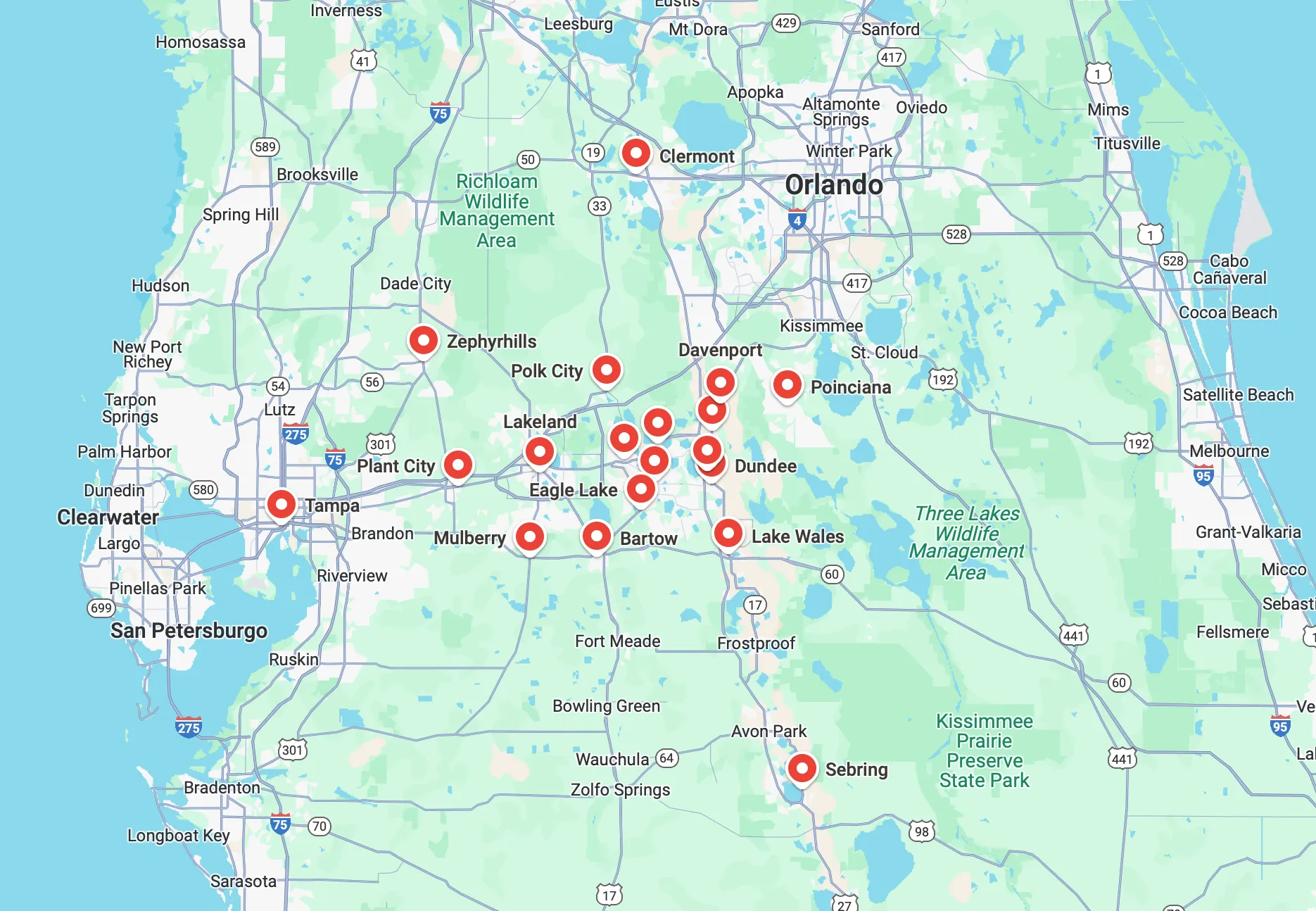
Service Areas