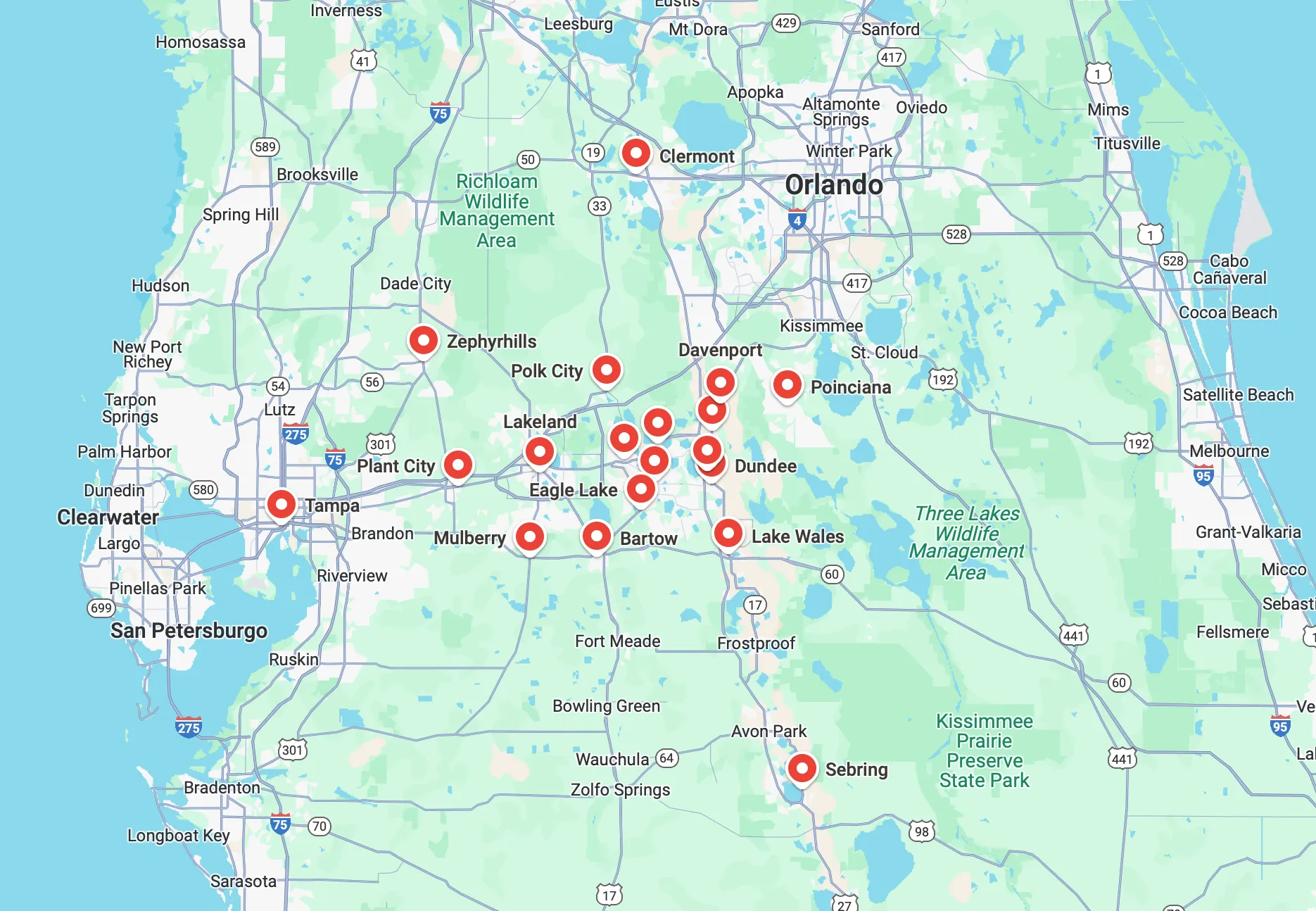
Mini Split Repair in Lake Wales, FL
Mini Split Repair in Lake Wales, FL
Keeping your mini split running reliably is essential in Lake Wales, FL, where hot, humid summers and frequent afternoon storms put extra stress on cooling equipment.
.jpeg)
Why timely mini split repair matters in Lake Wales, FL
Lake Wales experiences high humidity, prolonged cooling seasons, and occasional power surges from thunderstorms. Those conditions accelerate compressor wear, encourage condensate and drain problems, and increase the likelihood of electrical component failures. Prompt repair reduces energy costs, prevents secondary damage to ceilings and walls from leaks, and extends equipment life.
Common mini split issues in Lake Wales, FL
- Refrigerant leaks and low charge
Signs include reduced cooling, ice buildup on the evaporator, or hissing sounds. Humidity and age-related corrosion in line sets can lead to leaks. - Compressor failure or reduced compressor performance
Symptoms are warm air from the indoor unit, higher power draw, or frequent cycling. Heat and sustained high load in Florida summers contribute to premature compressor strain. - Electrical issues and control board faults
Storm-related surges and loose connections cause control errors, blown fuses, or failure of outdoor unit components. - Thermostat and remote control problems
Wireless remotes or wall controllers may lose calibration, fail to communicate, or display errors that affect operation. - Airflow and blower motor issues
Clogged filters, dirty coils, or failing indoor fan motors reduce airflow and indoor comfort. - Condensate drain blockages and water leaks
High humidity increases condensate. Clogged drains or damaged pans lead to water overflow and stains. - Sensor failures and refrigerant metering issues
Faulty temperature sensors or expansion device problems cause erratic cycling or poor comfort.
On-site diagnostic process
A systematic diagnosis ensures repairs target the root cause rather than symptoms. Typical on-site steps include:
- Initial system inspection
Visual check of indoor and outdoor units for damage, rodent entry, corrosion, and obvious leaks. - Operational test
Run the system through modes to observe startup behavior, abnormal noises, and error codes. - Electrical checks
Measure voltage and current at key points, inspect fuses and contactors, and test safety interlocks. - Refrigerant and pressure testing
Check pressures and temperatures, identify undercharge or overcharge conditions, and perform electronic leak detection when needed. - Airflow and mechanical inspection
Evaluate filters, fan motor operation, ductless unit blowers, and coil cleanliness. - Control and sensor verification
Test remotes, wall controllers, and temperature sensors for proper feedback and communication.
Technicians document findings and recommend repair options with clear explanations of the cause and expected outcomes.
Typical repairs and parts replacement
Common repairs performed on mini split systems in Lake Wales include:
- Refrigerant leak repair and recharge
Locating and repairing leaks, replacing small sections of line set, and returning refrigerant to correct charge levels. - Compressor replacement
Swapping compressors or outdoor condensing assemblies when failures occur or efficiency is irretrievably lost. - Control board and electrical component replacement
Replacing capacitors, contactors, relays, and PCBs damaged by surges or wear. - Fan motor and indoor unit repairs
Replacing blower motors, fans, or bearings to restore airflow and quiet operation. - Thermostat and remote replacement or reprogramming
Repairing or replacing controllers and re-establishing system communication. - Drain line clearing and condensate pan repair
Removing clogs, repairing pans, and installing or replacing condensate pumps if needed. - Metering device and valve services
Repair or replacement of expansion valves and service valves to restore proper refrigerant flow.
Technicians typically use OEM parts when available for compatibility and warranty reasons. In some cases equivalent aftermarket parts are used based on availability and system age.
Estimated repair timelines and what to expect
- Minor repairs such as control resets, thermostat replacement, filter changes, and drain clearing are often completed in a single visit, typically within a few hours.
- Moderate repairs like fan motor replacement, control board swaps, or refrigerant leak repair may require parts ordering and can take 1 to 2 days depending on part availability.
- Major repairs including compressor replacement or full outdoor unit replacement can require multiple days for ordering parts, completing the replacement, and pressure testing and evacuation before recharge.
Repair duration is influenced by parts availability, system accessibility, and whether additional components are found to be faulty during repair. In Lake Wales, common parts are generally obtainable through regional suppliers, but specialty components for older or imported models may add time.
Cost factors and warranty information
While exact prices vary, repair cost is determined by:
- Extent of the fault and labor hours required
- Cost and availability of replacement parts
- Whether refrigerant recovery, evacuation, and recharging are required
- Accessibility of indoor or outdoor units and any additional materials (piping, insulation, mounting)
- Age and make of the mini split system
Warranty considerations:
- Manufacturer warranties may cover compressors, parts, or entire assemblies depending on model and registration. OEM warranty coverage is often limited by age and documented maintenance history.
- Parts and labor warranties from repair providers vary. Typical labor warranties cover repairs for a defined period; parts may carry separate manufacturer warranties.
- Warranty voiding factors include improper installation, use of incompatible parts, and lack of routine maintenance. Documentation of repairs and parts replaced is important for future warranty claims.
Emergency vs routine repair visits and scheduling logistics
Emergency repair visits address sudden loss of cooling, significant refrigerant leaks, severe electrical faults, or active water leaks. Routine repair visits are for diagnostics, scheduled part replacements, and planned maintenance.
What to expect during scheduling and a service visit:
- Initial triage over the phone or by online inquiry to gather system model, symptoms, and urgency.
- Appointment windows are provided. Emergency requests may receive same-day or next-available dispatch depending on technician availability and severity.
- Technicians arrive with common diagnostic tools and parts for quick fixes. For complex jobs, parts may be ordered and a follow-up visit scheduled.
- On-site, technicians prioritize safety, perform diagnostics, explain findings in plain language, and present repair options along with time estimates and warranty details.
- After repairs, technicians test the system for proper operation, document work performed, and advise on maintenance steps to prevent recurrence.
Preventive advice to reduce future repair needs
- Keep filters clean and schedule regular tune-ups before the cooling season to maintain efficiency and detect issues early.
- Protect outdoor units from excessive vegetation and debris and ensure proper airflow around the condenser.
- Install surge protection for electrical panels where frequent thunderstorms are common.
- Monitor condensate drains and address any signs of leakage promptly.
Timely repair and routine care preserve comfort and extend equipment life in Lake Wales homes. Understanding common faults, diagnostic steps, repair timelines, and warranty implications helps homeowners make informed decisions when addressing mini split issues.

Customer Testimonials

Service Areas