Whole House Dehumidification in Plant City, FL
IAQ Whole-House Dehumidification in Plant City, FL
High humidity is one of the most common indoor comfort and health problems in Plant City, FL. IAQ Whole-House Dehumidification in Plant City, FL explains how a dedicated, whole-home dehumidification system controls moisture, reduces mold and mildew risk, improves comfort, and takes strain off your air conditioner. If your home has musty odors, clammy rooms, frequent condensation on windows, or persistent allergy symptoms, whole-house dehumidification is the decision-stage solution that addresses the root cause rather than masking symptoms.
Why whole-house dehumidification matters in Plant City, FL
Plant City sits in a humid subtropical climate with long, hot summers and frequent afternoon storms. High outdoor humidity infiltrates homes through leaks, ventilation, and fresh-air systems. The result for many local homeowners is:
- Elevated indoor relative humidity above recommended levels
- Condensation on windows, walls, and in attics or crawlspaces
- Accelerated mold and dust mite growth
- Longer cooling run-times and higher energy bills
- Reduced comfort even when thermostat readings look normal
A properly sized IAQ whole-house system keeps indoor relative humidity in the optimal 40 to 50 percent range for comfort and health in humid climates like Plant City, preventing the above issues and protecting finishes, furniture, and stored belongings.
Common whole-house dehumidification issues in Plant City, FL
Homeowners in Plant City often face the same moisture-related problems:
- Persistent dampness in basements, crawlspaces, or garages
- Musty smells after rainy periods or during summer
- Condensation on windows and metal surfaces
- HVAC short-cycling due to excess latent load
- Allergy flare-ups tied to mold and dust mites
- Uneven humidity levels between rooms or floors
Recognizing these signs helps determine whether a ducted whole-house dehumidifier, a standalone dehumidifier, or HVAC integration is the right approach for your home.
Types of IAQ whole-house dehumidification solutions
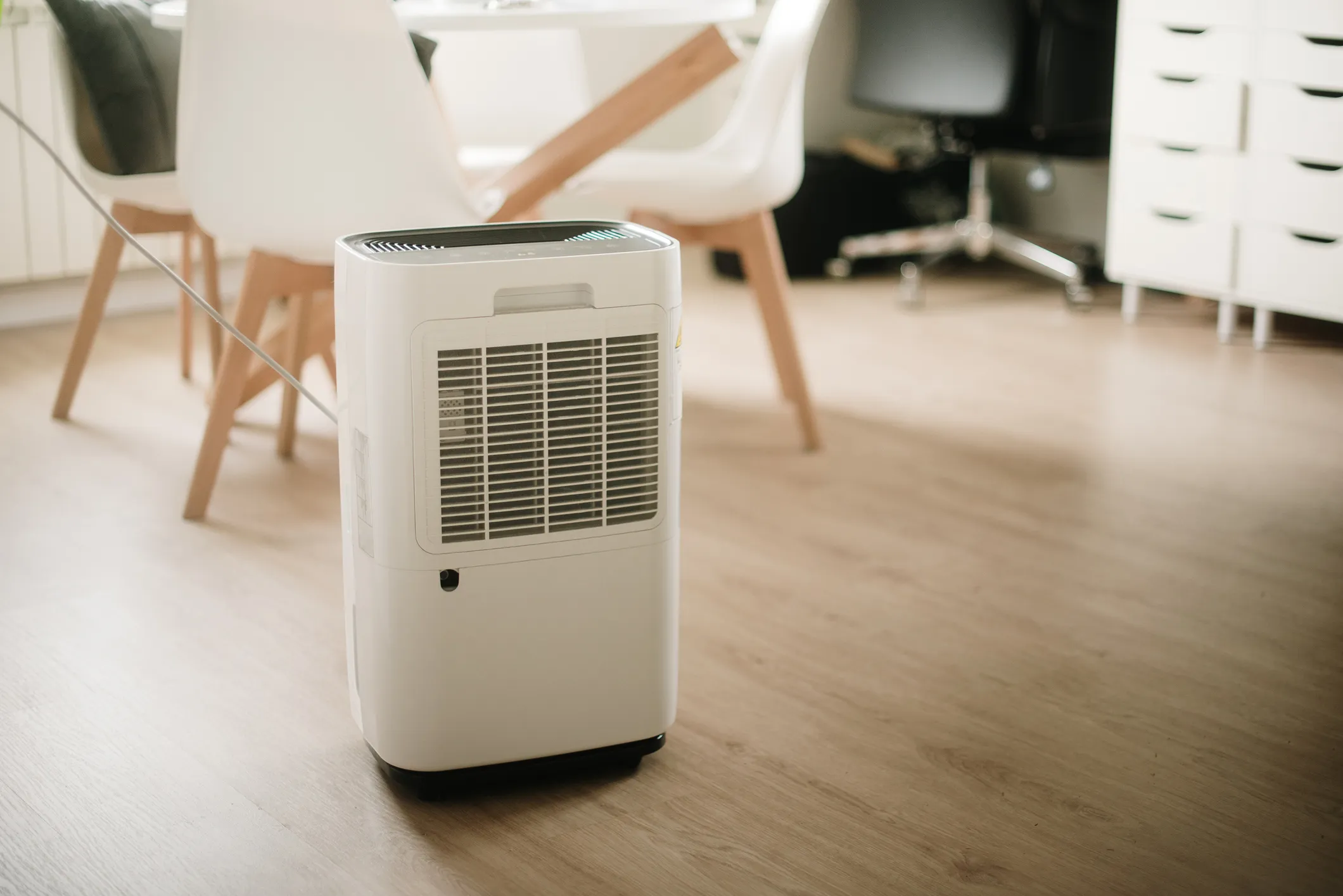
- Ducted whole-house dehumidifiers installed in the HVAC return or equipment closet. These units handle the entire home’s latent load while integrating with the existing duct system.
- Inline or bypass dehumidifiers that work with your air handler to remove moisture before conditioned air circulates.
- Dedicated dehumidification paired with fresh-air ventilation systems to control humidity introduced by makeup air.
- Smart control systems and humidistats that maintain target humidity and optimize run cycles based on occupancy and outdoor conditions.
Each option balances capacity, efficiency, and compatibility with your current HVAC system. In Plant City, systems that handle high latent loads and maintain stable control during Florida’s muggy months are especially important.
Diagnostic and installation process
A professional IAQ evaluation typically follows these steps:
- Home assessment: Measure current indoor relative humidity, inspect for sources of moisture intrusion, and evaluate attic, crawlspace, and ventilation conditions.
- Load calculation: Determine the home’s latent load using industry-standard methods that account for square footage, envelope tightness, occupancy, and local climate influences.
- System selection: Choose a dehumidifier type and capacity that matches the calculated load and integrates with your existing air handler and ductwork.
- Installation planning: Confirm drain routing, electrical requirements, and thermostat or humidistat placement. Coordinate any minor duct modifications or condensate pumps if gravity drainage is not available.
- Installation: Mount the unit, connect to the return or HVAC plenum, set up controls, and commission the system. A full setup workflow typically fits within a day for most single-family homes, depending on complexity.
During the diagnostic stage, technicians also look for contributing issues such as improper attic ventilation, unsealed crawlspaces, or duct leaks that should be addressed to get the best dehumidification performance.
How IAQ dehumidifiers work with existing HVAC
Whole-house IAQ systems are designed to complement central air conditioning, not replace it. Key compatibility points:
- Integration: Ducted dehumidifiers are most commonly installed on the return side of the air handler or within the equipment closet so they treat air before distribution.
- Controls: Smart humidistats or integrated controls can coordinate with your thermostat to prioritize humidity control while managing sensible cooling.
- Load sharing: In very humid conditions, the dehumidifier handles latent load while the AC addresses temperature, reducing overall runtime and wear on the air conditioner.
- Drainage and electrical: Proper condensate management and dedicated electrical circuits are essential to reliable operation.
When sized and integrated correctly, IAQ whole-house dehumidification reduces AC strain, lowers indoor humidity without overcooling, and improves overall system efficiency.
Maintenance, service options, and longevity
Routine maintenance keeps a whole-house dehumidifier performing well in Plant City’s demanding climate:
- Quarterly or semiannual checks of filters, coils, and condensate lines
- Annual professional inspection of refrigerant charge and electrical connections
- Periodic cleaning of the intake and drain pan to prevent algae and blockages
- Verification that remote humidistats and controls are calibrated and functioning
Service options typically include one-time installations, seasonal tune-ups, and annual preventive maintenance plans that prioritize reliability during peak humid months. Properly maintained units can operate efficiently for many years and maintain indoor humidity within recommended levels.
Expected benefits specific to Plant City homes
- Reduced mold, mildew, and related allergy triggers common in humid Florida conditions
- Improved comfort without excessive air conditioning setpoints
- Less condensation-related damage to windows, woodwork, and stored items
- Lower HVAC wear and potentially improved energy use through balanced latent and sensible load management
- Better indoor air quality when paired with ventilation and filtration upgrades

Customer Testimonials

Service Areas