Whole Home Humidifiers in Plant City, FL
IAQ Whole-Home Humidifiers in Plant City, FL
Keeping indoor relative humidity in the optimal range is a key part of indoor air quality. IAQ whole-home humidifiers provide controlled, uniform moisture throughout your ducted HVAC system, improving comfort, protecting wood and furnishings, and easing dry-skin and respiratory symptoms. In Plant City, FL, where air conditioning cycles and seasonal temperature swings can create uncomfortable indoor dryness in some homes, a properly designed whole-home humidification system delivers consistent results while avoiding the over-humidification risks common in humid climates.
.webp)
Why whole-home humidification matters in Plant City homes
- Your AC removes moisture from indoor air during long cooling seasons, which can leave skin, nasal passages, and woodwork overly dry despite high outdoor humidity.
- Short cool snaps in winter can lower indoor relative humidity, causing static, cracked wood floors, and irritated throats.
- Whole-home systems maintain balanced humidity where room-by-room portable humidifiers cannot, eliminating window condensation and mold risk when controlled correctly.
- Integrated humidification helps maintain perceived warmth, allowing thermostats to run slightly cooler without sacrificing comfort.
Common IAQ whole-home humidifier issues in Plant City
- Over-humidification leading to condensation on windows and increased mold risk, often caused by improper controls or no dehumidification coordination.
- Scale buildup from hard water that reduces evaporation efficiency and shortens part life.
- Uneven humidity from poor sizing or blocked ducts.
- Leaks or clogged drain lines from poor installation or lack of maintenance.
- Noisy operation on fan-assisted units when not installed or isolated correctly.
Types of IAQ whole-home humidifiers and which fit Plant City homes
- Evaporative (bypass) humidifiers: Use the HVAC air stream and a water panel to add moisture. Pros: energy efficient and relatively simple. Cons: require periodic panel replacement and need proper airflow. Good for homes with consistent HVAC runtime.
- Fan-powered evaporative humidifiers: Include a built-in fan to push air through the humidifier independent of furnace fan speed. Pros: faster humidity delivery and reliable output in milder AC cycles. Cons: slightly higher energy use and noise potential.
- Steam humidifiers: Electrically generate steam for precise, rapid humidity control. Pros: very accurate control and minimal scale on output side; best where exact RH control is required (for instruments or severe dryness). Cons: higher upfront cost and electrical requirements.
- Drum-style and flow-through models: Variations on evaporative design with differing maintenance and efficiency profiles. Selection depends on water quality and desired maintenance cadence.
In Plant City, an evaporative bypass or fan-powered humidifier often balances cost and performance for typical single-family homes. Steam units are a smart choice when precise control is necessary or when supplied water is hard and scale management is a concern.
Installation and HVAC integration
- System sizing: Professionals size humidifiers by conditioned square footage, ceiling height, and existing moisture loads. Proper sizing prevents overwork or insufficient output.
- Location: Most IAQ whole-home humidifiers mount on the supply or return plenum near the air handler so humidified air distributes evenly.
- Controls: A dedicated humidistat or integrated smart control ties into your thermostat or home automation to maintain target relative humidity. In Plant City, target ranges are typically 40 to 55 percent depending on season and home construction, while avoiding sustained levels above 60 percent to minimize mold risk.
- Water and drainage: Installation requires a cold water connection and a drain to remove excess water and condensate. Water treatment or a scale-reduction device is recommended if your home has hard water.
- Electrical: Some models require a 110/120V supply, and steam humidifiers may need higher amperage. Proper electrical ties and safety disconnects are part of a compliant installation.
Operation, maintenance schedule, and best practices
- Monthly: Check humidistat settings and visually inspect the unit for leaks or obvious scale. Ensure the drain line flows freely.
- Every 3-6 months: Replace evaporative pads or panels if recommended by the manufacturer. Clean fan blades and accessible housing to prevent microbial growth.
- Annually: Professional tune-up that includes water valve checks, electrical inspection, humidistat calibration, and scale removal or replacement of critical parts.
- Water quality: Use softening options or inline filters if hard water causes rapid scaling. For steam units, routine descaling is essential to maintain output and longevity.
- Seasonal coordination: In Plant City, coordinate settings with AC use. Modern controls can prevent humidifier operation when outdoor conditions or duct condensation risk are unfavorable.
Diagnosing common problems and effective solutions
- If you notice window condensation, musty odors, or visible mold, the system is likely adding too much moisture or the home lacks adequate ventilation. Solution: lower humidistat setpoint, check for blocked return airflow, and ensure coordinated dehumidification.
- Weak humidity output: Check bypass dampers (for bypass models), replace clogged pads, verify water supply pressure, and confirm fan operation in fan-powered units.
- Scale and reduced efficiency: If scale accumulates rapidly, install a water treatment solution or consider a steam humidifier with simpler scaling management.
- Noises or vibration: Verify secure mounting to the ductwork and inspect internal fan mounts or bearings if fan-powered.
Benefits for comfort and indoor air quality in Plant City
- Improved sleep and reduced throat/nasal dryness during AC-driven dryness or seasonal cool spells.
- Protection for wood floors, cabinets, musical instruments, and drywall from shrinkage and stress caused by low indoor humidity.
- Reduced static electricity and better perceived warmth, which can translate to energy efficiency benefits.
- More consistent comfort throughout the home compared to portable units, with lower risk of localized mold when systems are sized and controlled properly.
A properly selected and maintained IAQ whole-home humidifier delivers predictable comfort and material protection for Plant City homes. When matched to your HVAC system, installed with correct controls, and serviced on a regular schedule, whole-home humidification improves indoor air quality without the pitfalls that come from unmanaged moisture.

Customer Testimonials

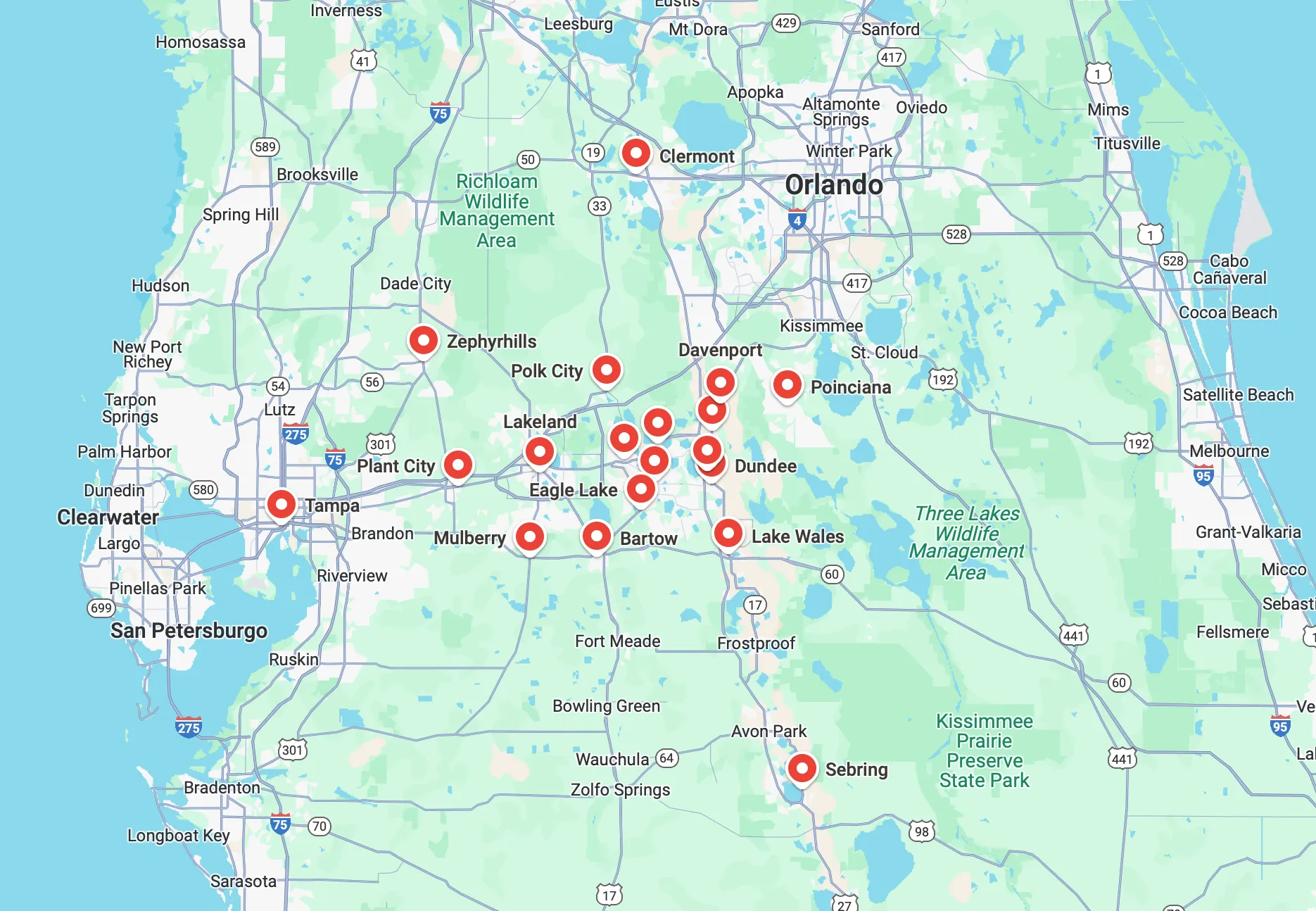
Service Areas