Whole House Air Filtration in Plant City, FL
IAQ Whole-House Air Filtration in Plant City, FL
Improving indoor air quality is a top priority for Plant City homeowners who face seasonal pollen, high humidity, agricultural dust, and occasional wildfire or wildfire-smoke drift. An IAQ whole-house air filtration system treats the entire HVAC-served living space, reducing allergens, dust, odors, and microscopic particles that aggravate asthma or allergies.
.jpeg)
Why whole-house filtration matters in Plant City, FL
- Spring and early summer pollen from local crops and ornamentals is common, increasing allergy symptoms indoors.
- High humidity and warm temperatures encourage mold growth and elevated airborne mold spores.
- Agricultural activity and rural dust generate coarse particulates that settle in homes.
- Hurricane season and storm events can introduce outdoor debris, dust, and moisture into HVAC systems. A whole-house approach filters air at the source of distribution, protecting every room rather than relying on single-room units that leave air pathways untreated.
Common IAQ problems in Plant City homes
- Persistent allergy symptoms despite cleaning and portable purifiers
- Excess household dust and visible settling on surfaces
- Musty odors or intermittent mold concerns due to humidity
- Smoke or haze infiltrating during regional fires or prescribed burns
- Chemical odors or VOCs from cleaning products and building materials
Whole-house filtration options and efficiency
Choosing the right filtration depends on your symptoms, HVAC capacity, and goals. Typical in-duct and whole-house options include:
- High-efficiency pleated media filters (MERV 8 to MERV 13+)
- Good balance of particle capture and airflow for most residential systems.
- MERV 13 is commonly recommended for allergy relief while maintaining HVAC performance.
- True HEPA whole-house systems
- Offer very high particle capture but can create significant pressure drop.
- Often require a dedicated bypass cabinet or fan-assisted housing to preserve airflow.
- Activated carbon (charcoal) media
- Effective for odors, smoke components, and many volatile organic compounds.
- Best used in combination with particle filtration.
- Electronic air cleaners and electrostatic precipitators
- Remove fine particles with low pressure drop; some types produce ozone—choose certified low-ozone models.
- Ultraviolet (UV) lamps
- Installed at the coil to reduce microbial growth on HVAC components; not a primary particle filter.
- Combined systems
- A multi-stage approach (e.g., prefilter + HEPA or high-MERV media + carbon) addresses particles, odors, and biologicals comprehensively.
Key performance considerations
- MERV rating indicates particle capture efficiency and is an accessible benchmark for in-duct filters.
- CADR is used for portable units; for whole-house systems, look at particle removal percentages across size ranges and manufacturer data for pressure drop.
- HVAC compatibility matters: high-efficiency filters increase static pressure; professional sizing avoids reduced airflow and comfort problems.
Typical whole-house installation process
1. Home assessment and IAQ baseline
- Inspect HVAC unit, ductwork, return points, and air handler capacity.
- Optional baseline IAQ testing: particulate counts, humidity, VOC levels, and mold spore sampling as needed.
2. System selection and sizing
- Choose filtration components (media cabinet, HEPA bypass, carbon module, UV) matched to the air handler and home square footage.
3. Pre-install preparation
- Clean or repair ductwork where needed and verify return grille placement for even distribution.
4. Installation
- Mount filter cabinet or retrofit existing filter slot, install carbon or HEPA modules, add UV lamps if selected, and seal connections to prevent bypass.
5. Commissioning and testing
- Measure static pressure, verify airflow, and perform a post-install IAQ check when applicable.
6. Owner orientation and maintenance plan delivery
- Explain filter access, replacement intervals, and signs the system needs service.
Expected impact on indoor air quality
- Reduced airborne particles: efficient whole-house filters significantly lower indoor concentrations of pollen, dust, pet dander, and many mold spores.
- Improved symptom control: homeowners often report fewer allergy and asthma flare-ups when particle levels drop.
- Odor and smoke reduction: carbon-enhanced systems reduce odors, VOCs, and smoke-related compounds.
- Cleaner HVAC components: trapping particulates before they reach coils and blower wheels helps maintain system efficiency and reduces the need for duct cleaning.
- Improved comfort consistency: balanced airflow and clean returns support more even temperature distribution.
Exact improvements depend on filter efficiency, home tightness, source control, and proper installation. For homes with high humidity, pair filtration with humidity management to minimize mold spore recirculation.
Maintenance requirements
- Filter replacement frequency
- Pleated media filters: typically every 3 to 6 months depending on MERV rating and pollutant load.
- HEPA or carbon modules: check manufacturers recommendations; carbon media may need replacement more often in homes with heavy odors or smoke exposure.
- Routine checks
- Inspect filter condition monthly for heavy dust or wetness after storms.
- Verify seals and cabinet integrity annually.
- Annual service
- HVAC and filtration system inspection, static pressure check, UV lamp replacement if used, and IAQ reassessment when desired.
- Duct and coil maintenance
- Address visible contamination or microbial growth; cleaning schedules depend on debris load and humidity.
Proper maintenance preserves filtration performance, protects HVAC equipment, and keeps operating costs predictable.
Warranties and service plans
- Manufacturer warranties commonly cover defects in materials and workmanship, varying from one to ten years depending on the product and component.
- Many whole-house systems include limited warranties for fans, cabinets, and electronic modules; UV lamps and filters are typically consumable items excluded from long-term warranties.
- Service plans offered by installers often include:
- Regular filter deliveries or replacements on a set schedule
- Annual system inspections and performance verifications
- Priority service for repairs or replacements
- Optional IAQ re-testing after installation or major weather events
When evaluating warranties and service plans, look for clear coverage details, what is considered normal wear, and whether performance testing is included.

Customer Testimonials

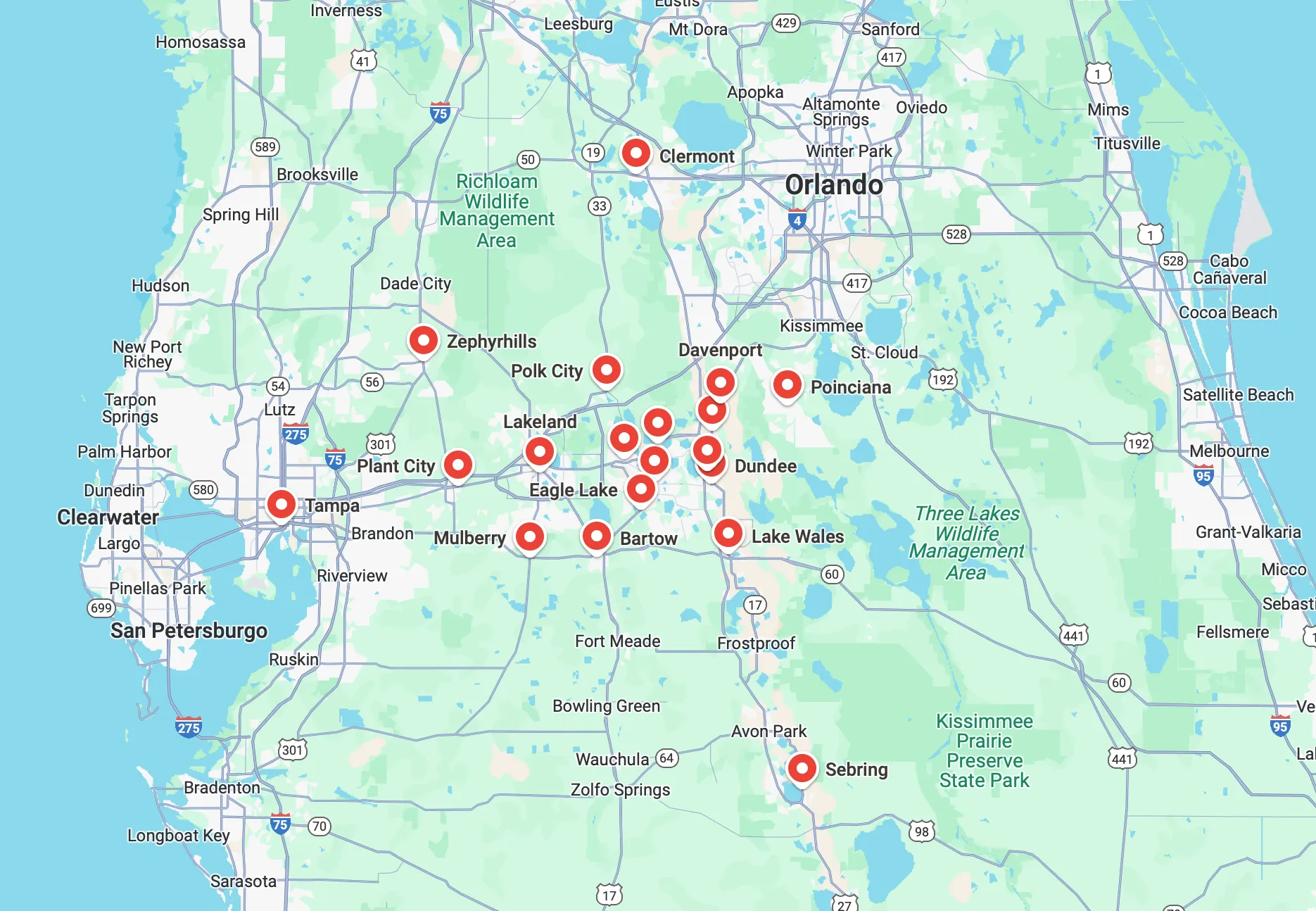
Service Areas