




Whole House Dehumidification in Auburndale, FL
IAQ Whole-House Dehumidification in Auburndale, FL
Living in Auburndale means enjoying warm weather and nearby lakes, but it also means contending with year-round humidity. High indoor humidity creates musty odors, promotes mold and dust mites, accelerates wood and paint damage, and makes homes feel warmer than they are. IAQ whole-house dehumidification in Auburndale, FL is a targeted solution to control indoor moisture levels across every room by integrating a whole-house dehumidifier with your existing HVAC system.
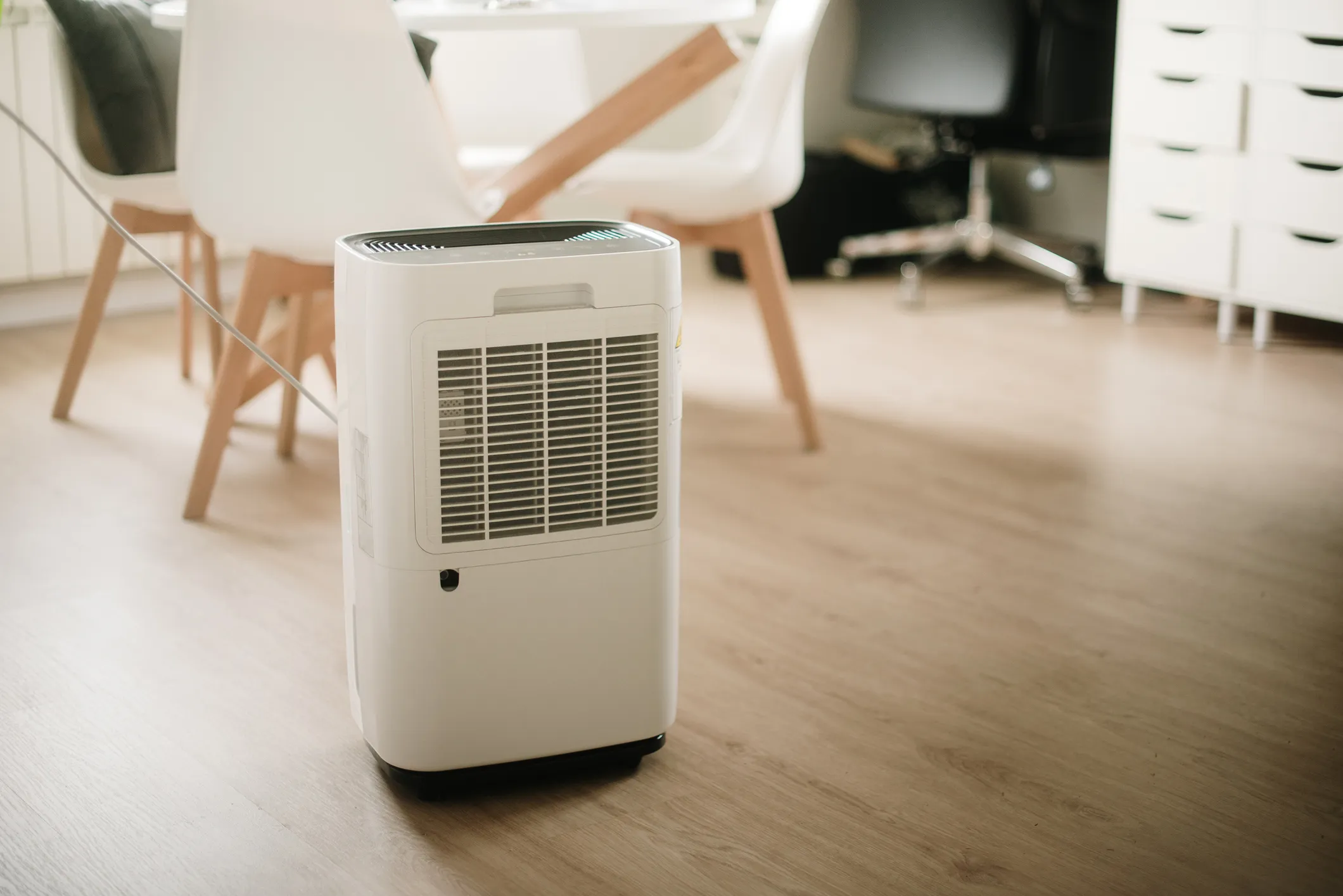
Why Auburndale homes need whole-house dehumidification
Auburndale sits in a humid subtropical climate. Summers are long and muggy, afternoon thunderstorms are frequent, and mild winters can still retain high relative humidity. This local climate results in:
- Interior relative humidity routinely above 60 percent, especially during summer
- Condensation on windows and metal surfaces after storms
- Increased mold growth in closets, bathrooms, and behind furniture
- Allergens like dust mites thriving in bedrooms and living areas
- Strain on air conditioning systems trying to both cool and dehumidify
A whole-house approach addresses these issues more effectively than portable units by treating the return air for the entire home and maintaining consistent humidity setpoints.
Common IAQ whole-house dehumidification issues in Auburndale
Homeowners seeking dehumidification services in Auburndale typically report one or more of the following:
- Persistent musty odor or visible mold spots
- Wet or clammy indoor air despite frequent AC use
- Window condensation or water on AC drip pans
- Mold-prone areas such as bathrooms, laundry rooms, and basements or crawlspaces
- High allergy symptoms that improve temporarily with portable dehumidifiers but return afterward
- AC short-cycling or reduced cooling efficiency linked to high latent load
Identifying the specific cause of high indoor humidity is the first step to a lasting solution.
How whole-house dehumidifiers work and integrate with HVAC
Whole-house dehumidifiers are designed to remove moisture from the HVAC system return air before the conditioned air is sent back into living spaces. Key elements include:
- Integration with existing ductwork: Units are installed in-line with the return plenum or as a side-stream module, allowing the central system to manage humidity for the entire home.
- Humidity control: A dedicated humidistat or smart thermostat communicates with the dehumidifier to maintain a target relative humidity (typically 45 to 55 percent in Florida homes for comfort and mold prevention).
- Condensate management: Extracted moisture drains into the home plumbing or a condensate pump when gravity drainage is not available.
- Energy considerations: Modern whole-house units are designed to work efficiently with the air handler and may reduce AC runtime by lowering latent load, though they add some electrical load for the dehumidifier itself.
Two common technologies are refrigeration-based coils that condense moisture and desiccant systems for specific low-temperature or specialized needs. For Auburndale’s typical climate, refrigerant-based whole-house dehumidifiers are most common and cost-effective.
Typical installation process for IAQ whole-house dehumidification
A professional installation follows a structured sequence to ensure proper sizing, integration, and performance:
1. Site assessment and load evaluation
- Measure home square footage, insulation levels, and typical indoor humidity.
- Inspect existing HVAC capacity, duct layout, and condensate drainage options.
2. Equipment selection and sizing
- Choose a dehumidifier capacity matched to the home’s latent load and return air volume.
- Determine control method (standalone humidistat or thermostat integration).
3. Placement and duct connections
- Install the unit in the return plenum, air handler cabinet, or a designated mechanical closet.
- Create appropriate duct transitions and maintain airflow requirements.
4. Electrical and condensate setup
- Connect to dedicated circuit or branch circuit per local code.
- Route condensate to a drain line or install a condensate pump where needed.
5. Controls and commissioning
- Mount and program the humidistat or link the unit to the thermostat.
- Test for correct operation, verify setpoints, check for leaks, and measure post-installation humidity.
6. Customer walkthrough
- Explain controls, maintenance needs, and how the system will operate seasonally.
Proper sizing and ductwork connections are critical. An undersized unit will struggle to maintain setpoints; an oversized unit may short cycle and have reduced dehumidification efficiency.
Maintenance guidance and troubleshooting
Routine maintenance keeps the system performing and prevents common failures:
- Quarterly or biannual checks
- Inspect and clean air filters or pre-filters as recommended.
- Verify condensate lines are clear and slope correctly.
- Annual service
- Check coil cleanliness and fin condition.
- Test humidistat calibration and electrical connections.
- Inspect fans and motors for wear.
- Common problems and quick diagnostics
- No dehumidification: confirm power, condensate safety switches, and humidistat settings.
- Excessive cycling: check sizing and airflow, and ensure control setpoints are appropriate.
- Water leaks: inspect drain line clogs, loose fittings, or overflow in the condensate pan.
- High indoor humidity persists: check for sources like open garage doors, wet laundry, or significant air infiltration from crawlspaces.
Replacing filters and clearing drain lines are the most frequent homeowner tasks; annual professional tune-ups reduce risk of mold in the unit and maintain efficiency.
Benefits for homeowners in Auburndale, FL
Investing in IAQ whole-house dehumidification delivers measurable, year-round benefits for Auburndale residences:
- Improved comfort: air feels cooler and less sticky without lowering thermostat settings
- Mold and allergen reduction: lower humidity inhibits mold, dust mites, and mildew
- Protects building materials: reduces swelling, warping, and paint failure on wood and drywall
- Better AC performance: reduces latent load on the air conditioner, often stabilizing cooling cycles
- Preserves indoor air quality: fewer musty odors and less airborne biological matter
Long-term, consistent humidity control helps maintain property condition and can decrease health-related indoor complaints tied to moisture.
What to expect when arranging service
When arranging a whole-house dehumidification solution, you can expect a professional approach that includes a diagnostic assessment, a written recommendation for equipment and placement, a clear outline of the installation steps, and a post-installation inspection to verify humidity performance. For Auburndale homes, the assessment will account for local factors such as lake proximity, frequent summer storms, and any moisture-prone areas like attics, crawlspaces, or attached garages.
Seasonal tip for Auburndale: set indoor relative humidity between 45 and 55 percent through summer and maintain slightly higher setpoints in winter only if condensation on windows appears. Avoid forcing very low humidity in mild winters, which can dry wood and increase energy use.
Consistent, whole-house humidity control improves comfort, lowers health risk, and protects your home in Auburndale’s humid climate. Proper sizing, integration with existing HVAC, and routine maintenance are the keys to long-term IAq whole-house dehumidification success.

Customer Testimonials

Service Areas
