Home Air Filtration in Auburndale, FL
IAQ Home Air Filtration in Auburndale, FL
Indoor air quality is one of the most important yet often overlooked aspects of a healthy home. IAQ home air filtration in Auburndale, FL addresses common regional concerns like high humidity, seasonal pollen, and mold risk while improving comfort, protecting HVAC equipment, and reducing allergy and asthma triggers.
Why IAQ Home Air Filtration matters in Auburndale, FL
Auburndale’s warm, humid climate and tree-lined neighborhoods create specific indoor air challenges. High relative humidity supports mold and dust mite growth, while spring and fall bring heavy pollen loads from oak, pine, and ornamental plants. Frequent use of air conditioning concentrates indoor pollutants like volatile organic compounds from cleaners, pet dander, and cooking byproducts. A properly designed home air filtration system reduces particles, stabilizes indoor conditions, and helps your HVAC system run more efficiently in local homes.
Common IAQ issues in Auburndale homes
- Seasonal pollen and outdoor allergens infiltrating when windows are open.
- Elevated indoor humidity leading to mold and musty odors.
- Accumulation of dust, pet dander, and fine particles that aggravate allergies.
- VOCs from household products and building materials concentrated in conditioned air.
- Dust and debris reducing HVAC efficiency and increasing maintenance needs.
Residential filtration system options
Choosing the right filtration depends on your home layout, family health needs, and HVAC configuration. Common options include:
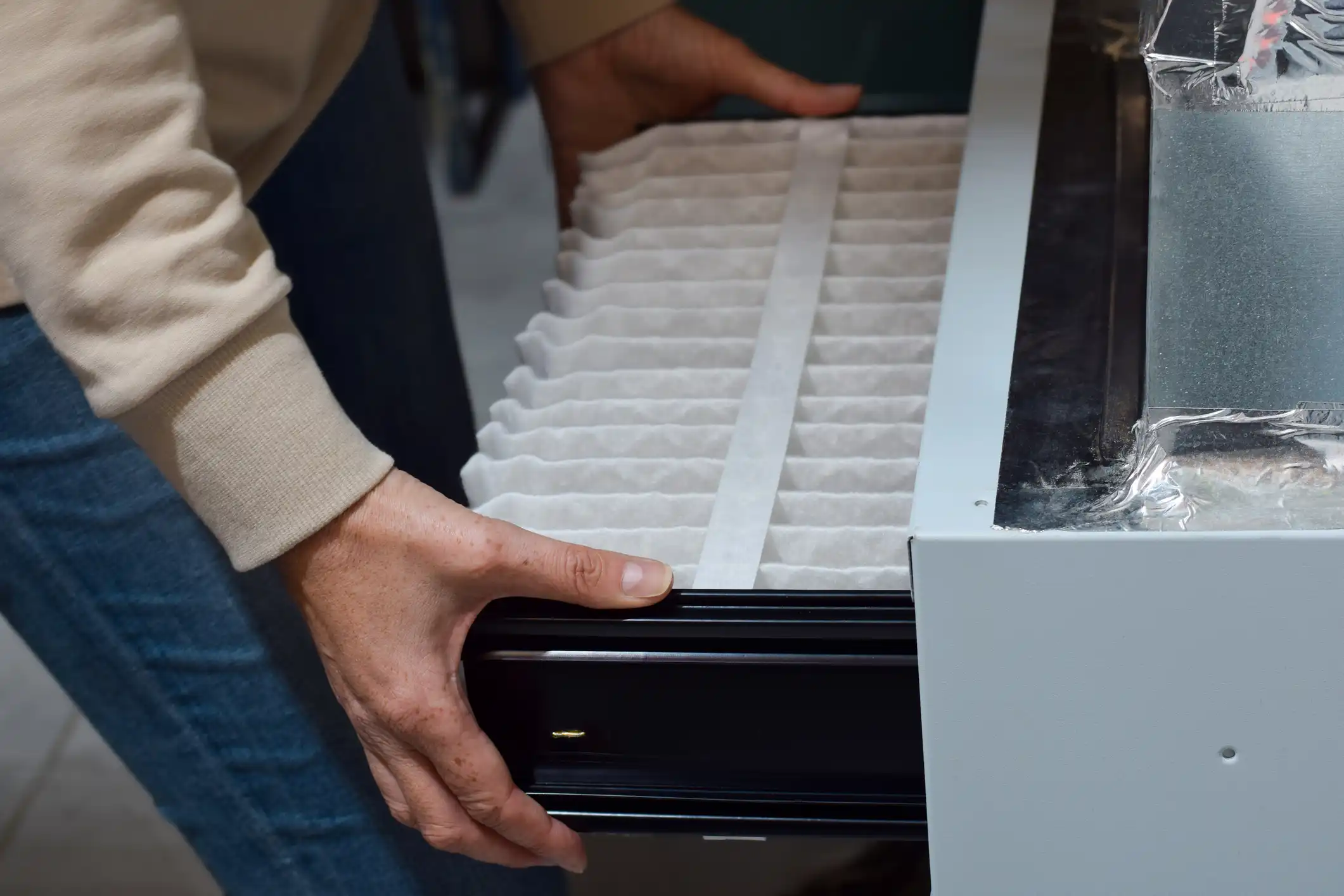
- Whole-home media filters (high-MERV pleated): Installed in the return plenum; effective against larger particles and many allergens.
- HEPA filtration (in-duct or standalone): Captures 99.97% of particles 0.3 microns and larger; best for severe allergies or immunocompromised occupants.
- Electronic air cleaners (electrostatic precipitators): Trap fine particles with reusable cells; require regular cleaning.
- UV germicidal lamps: Installed in the HVAC coil area to reduce biological growth and improve coil efficiency; best paired with filtration.
- Portable HEPA/activated carbon units: Useful for targeted rooms, odor control, or supplementing whole-home systems.
- Activated carbon or specialty sorbent filters: Designed to reduce odors and VOCs that standard particulate filters don’t capture.
How we assess and select the right system
A clear diagnostic process ensures the filtration solution matches your home and concerns:
- Initial walkthrough and HVAC inspection to determine return locations, duct condition, and filter access.
- Simple indoor air quality testing where appropriate: humidity measurement, particle counts, and VOC screening.
- Review of household needs: allergy sufferers, pets, smokers, or specific odor problems.
- Recommendation of system type and sizing with estimated filter life and maintenance expectations.
- Transparent explanation of performance goals, including expected reductions in specific pollutants.
Typical installation steps
Installations are planned to minimize disruption and protect your home:
- Site preparation and protective coverings for floors and surfaces.
- Remove existing filters and, if necessary, modify the return plenum or supply plenum for larger media filters or HEPA housings.
- Secure and seal filter housings to prevent bypass and maintain correct airflow.
- Install UV lamps or additional devices at recommended locations (coil, return, or duct).
- Start-up and system testing: measure airflow, verify seal integrity, and confirm fan operation and pressure.
- Walk-through with the homeowner to explain filter access, maintenance tasks, and any recommendations for humidity control or supplemental units.
Most whole-home installations are completed in a single visit, though complex ductwork updates or multi-system homes may require additional time.
Maintenance and filter replacement guidance
Proper maintenance keeps filtration effective and protects warranties:
- Disposable pleated filters: check monthly; replace every 1 to 3 months depending on load and MERV rating. Higher MERV filters often require more frequent changes.
- Whole-home media filters: typically replaced every 6 to 12 months, depending on humidity, pets, and pollen season.
- HEPA housings: prefilters should be checked monthly; HEPA element replacement is usually 6 to 12 months to several years based on use and design.
- Electronic cleaners: clean collection cells every 1 to 3 months and perform a safety check annually.
- UV lamps: replace bulbs annually for full germicidal effectiveness.
- Duct evaluation and cleaning: recommended when visible contamination, persistent odors, or after moisture events; frequency depends on home conditions.
Simple practices like keeping returns unobstructed, running exhaust fans when cooking, and maintaining indoor humidity between 40% and 50% enhance filtration performance.
Warranty and service options
Residential filtration solutions typically include a combination of manufacturer and labor protections:
- Manufacturer warranty on filters, HEPA elements, and electronic components — length varies by product.
- Labor warranty for installation workmanship, commonly covering sealing, mounting, and electrical connections for a defined period.
- Optional annual service plans that include scheduled inspections, filter replacements, UV lamp changes, and performance checks.
- Replacement filter programs or reminders can simplify ongoing maintenance for busy households.
When reviewing options, confirm what the warranty covers (parts vs parts and labor) and any required maintenance actions to keep warranties valid.
Preparing to request a quote or schedule service
To get an accurate estimate and a smooth scheduling process, have this information ready:
- Home square footage and number of stories.
- Number and location of HVAC systems and current filter sizes.
- Age and model of existing furnaces or air handlers if known.
- Primary IAQ concerns: allergies, pets, odors, mold, or specific rooms of concern.
- Any history of moisture problems, recent renovations, or ductwork issues.
- Preferred timeline and any restrictions for in-home visits.
Understanding these details helps ensure proposed systems are properly sized and cost estimates reflect the true scope of work.
Long-term benefits for Auburndale homes
A correctly selected and maintained IAQ home air filtration system improves comfort, reduces allergy symptoms, protects HVAC equipment, and can lower energy costs by keeping coils and filters cleaner. For Auburndale families, filtration also reduces seasonal pollen exposure and the mold risk associated with humid summers, contributing to a healthier indoor environment year-round.

Customer Testimonials

Service Areas