Whole Home Humidifiers in Auburndale, FL
IAQ Whole-Home Humidifiers in Auburndale, FL
Keeping indoor humidity in the right range is essential for comfort, health, and protecting your home’s finishes. IAQ whole-home humidifiers provide centralized humidity control by working with your existing HVAC system to add moisture evenly through the ductwork. In Auburndale, FL, where homes face hot, humid summers and occasional cool, dry fronts in winter, a properly configured whole-home humidifier can relieve dry-air symptoms, protect wood floors and furniture, and improve perceived comfort when air conditioning or modern heating systems reduce indoor moisture too far.
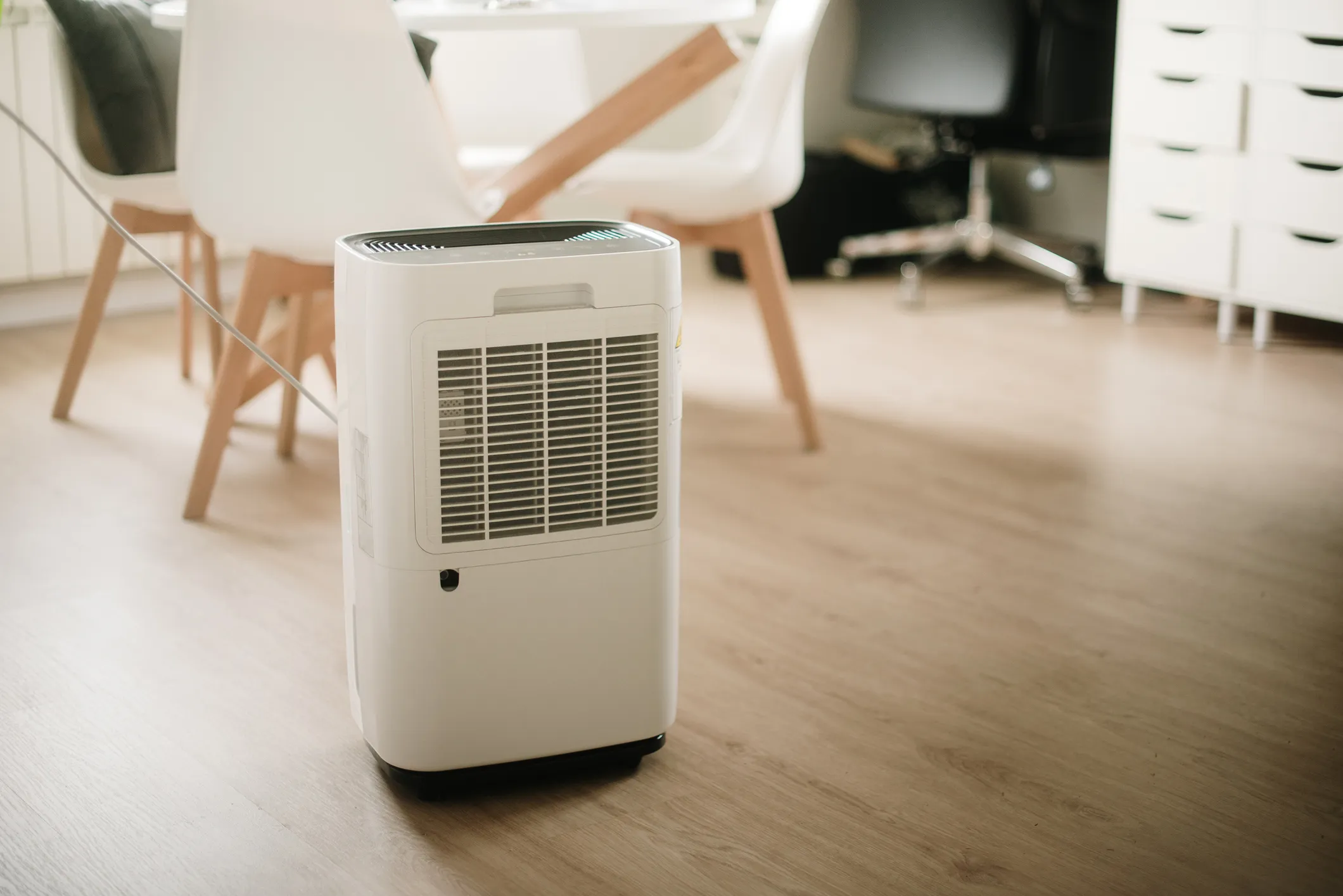
How IAQ whole-home humidifiers regulate indoor humidity
Whole-home humidifiers integrate directly with your furnace or air handler and the home’s duct system. Key components and basic operation are:
- Humidifier unit mounted on the supply or return plenum or installed near the furnace/air handler.
- Humidistat or digital controller that monitors relative humidity and communicates with the HVAC control board.
- Water supply and drain (for evaporative and steam models) or water panel for evaporative systems.
- Distribution method: water evaporates into the airflow and is pushed through ducts to living spaces.
The humidistat maintains a target range by turning the humidifier on or off in short cycles. Modern IAQ systems include variable output and outdoor-temperature-based control to prevent over-humidification in warm, wet months.
Types of whole-home humidifiers and which fit Auburndale homes
Understanding the main types helps match system performance to local needs:
- Bypass (evaporative) humidifiers
- Uses furnace air to evaporate water through a media pad.
- Lower cost and low electrical use.
- Best for homes with constant furnace/air handler operation. In Auburndale, this is a common choice if occasional winter dry spells cause problems.
- Fan-powered (evaporative) humidifiers
- Has a fan to force air through the media for quicker humidity delivery.
- More effective than bypass in larger homes or when faster recovery is needed.
- Steam humidifiers
- Produce moisture independent of HVAC airflow by boiling water to create steam.
- High output and precise control; suitable for tight, energy-efficient homes or where mineral content in municipal water is high.
- More expensive to install, but beneficial where a reliable humidity boost is needed regardless of furnace cycles.
Choosing the right model depends on home size, existing HVAC equipment, water quality, and desired control accuracy. In Auburndale’s subtropical climate, homeowners typically prefer systems with precise controls and outdoor-sensor integration to avoid running humidification during muggy summer months.
Common whole-home humidifier issues in Auburndale and how they’re diagnosed
Typical problems homeowners encounter and what technicians check:
- Low or no humidity output
- Causes: clogged media pad, closed HVAC dampers, faulty humidistat, or disconnected water line.
- Diagnostic steps: inspect media/pad, verify water flow, check electrical connections and humidistat calibration.
- Over-humidification and condensation
- Causes: incorrect setpoint, improper humidistat placement, or lack of outdoor-sensor control.
- Technician action: adjust target RH (recommendations below), relocate or recalibrate humidistat, install outdoor-temperature compensation.
- Mineral deposits and scale
- Causes: hard water leaving deposits on media or steam electrodes.
- Solutions: routine media replacement, use of distilled water for steam units, or add water treatment options.
- Leaks or water damage
- Causes: poor installation of water/drain lines or clogged drain.
- Inspection: ensure proper drain slope, check fittings and valves, pressure-test supply lines.
Recommended indoor humidity range in most Florida homes is about 40% to 50% in cooler months. Because outdoor humidity often exceeds indoor levels in summer, systems should include controls to prevent operation during high outdoor humidity to avoid mold and condensation.
Installation and integration process (what to expect)
Typical steps technicians follow when installing an IAQ whole-home humidifier:
- Home assessment and HVAC compatibility check
- Evaluate furnace/air handler model, duct layout, and electrical availability.
- Measure current indoor humidity and identify problem rooms.
- System selection and sizing
- Choose the humidifier type and capacity based on house square footage, envelope tightness, and water quality.
- Placement and plumbing plan
- Determine mounting location on supply or return plenum, route water supply line from nearest cold water source, and plan drain routing where required.
- Electrical and control integration
- Connect power and integrate humidistat to the HVAC control board; calibrate with outdoor temperature sensor if included.
- Commissioning and testing
- Run the system through cycles, verify humidistat readings, check for leaks, and confirm even distribution to key living areas.
- Documentation and homeowner orientation
- Provide operation guidance, recommended humidity ranges, and maintenance schedule.
Some installations may require minor duct modifications or access panel cuttings; technicians follow best practices to protect finishes and ensure airflow balance after installation.
Maintenance needs and best practices
Regular maintenance preserves performance and prevents problems:
- Replace evaporative pads/media every 6–12 months, depending on water quality and usage.
- Clean fan and housing annually to remove dust and biological buildup.
- Inspect water lines and valves each season for leaks or mineral buildup.
- Service steam electrodes or reservoir per manufacturer guidance; hard-water areas may need more frequent attention.
- Calibrate and clean humidistats and consider relocating if readings don’t match room conditions.
Seasonal adjustments: in Auburndale, program the humidistat to lower setpoints during humid spring/summer months and raise slightly during cooler, drier winter nights. Systems with outdoor-temperature compensation automate this and reduce mold risk.
Benefits and local considerations for Auburndale homes
- Improved comfort: Balanced humidity reduces dry skin, nasal irritation, and static while making air feel warmer in cooler periods without raising thermostat setpoints.
- Preservation of wood and finishes: Proper humidity prevents cracking, shrinking, and gaps in hardwood floors and wood furniture common in air-conditioned Florida homes.
- Energy perception: Increasing humidity slightly when air is cool can improve comfort perception and reduce the tendency to overheat living spaces.
- Health considerations: Properly controlled humidity supports respiratory comfort; however, in Auburndale’s climate, avoiding over-humidification is critical to prevent mold growth. Using digital controls with outdoor-sensor lockout helps maintain safe levels year-round.
Typical steps to obtain a quote or schedule installation
- Request an on-site assessment to confirm HVAC compatibility and measure current indoor humidity and home envelope characteristics.
- Review system options, capacities, and control features matched to your home’s size and local climate patterns.
- Receive a detailed proposal including recommended unit type, installation scope (water/electrical/duct work), and maintenance expectations.
- Coordinate installation timing that includes site prep, mechanical hookup, commissioning, and post-installation verification.

Customer Testimonials

Service Areas