Whole House Air Filtration in Auburndale, FL
IAQ Whole-House Air Filtration in Auburndale, FL
High humidity, year-round pollen, summer thunderstorms, and occasional smoke from regional prescribed burns make indoor air quality a real concern for Auburndale homes. A whole-house IAQ (indoor air quality) filtration system treats air at the source - your HVAC system - reducing allergens, dust, odors, and microscopic particles throughout the entire living space. Below is a practical, decision-focused guide to whole-house filtration systems in Auburndale, FL: what types are available, how they perform in Central Florida conditions, key installation considerations, expected improvements, and routine maintenance you should plan for.
.jpeg)
Why whole-house filtration matters in Auburndale, FL
- High humidity and warmth encourage mold and microbial growth in ducts and on surfaces. Filtration combined with proper humidity control reduces mold spore circulation.
- Seasonal pollen and grass/oak pollens are common allergy triggers during spring and fall; whole-house filtration captures many of these particles before they settle in furniture and carpets.
- Summer storms and local agricultural activity increase dust and particulate transiently - filtration lowers dust load and reduces HVAC maintenance.
- Treating air centrally ensures every room benefits without relying on multiple portable units.
Common IAQ issues in Auburndale homes
- Persistent dust and settled particles despite cleaning
- Sneezing, congestion, or allergy symptoms tied to indoor exposure
- Lingering cooking or pet odors
- Moldy or musty smells after humid weather
- HVAC coils and ducts accumulating debris that reduces system efficiency
Whole-house filtration system types and media options
Choosing the right media depends on your priorities (allergen reduction, odor control, particulate removal, or microbial control) and your existing HVAC system capability.
- High-efficiency mechanical filters (MERV-rated filters)
- MERV 8–11: Good for dust, pollen, and larger particles; low pressure drop.
- MERV 13–16: Recommended for allergy and fine-particle reduction; removes many particles down to 0.3–1.0 microns. Note: higher MERV increases static pressure and may require an upgraded blower.
- HEPA-quality in-duct solutions
- True HEPA captures 99.97% of 0.3 micron particles in a sealed system. In-duct HEPA installations require a properly designed housing and may need blower/airflow adjustments to avoid reduced HVAC performance. Expect significantly lower airborne particulates when installed and sealed correctly.
- Activated carbon (adsorbent) media
- Targets odors, VOCs, and some gaseous chemicals. Often used in combination with mechanical filtration for odor-sensitive homes or those with indoor smoking, strong cooking smells, or off-gassing building materials.
- UV germicidal irradiation (UVGI)
- Inactivates bacteria, viruses, and mold on coils and in airstreams. Best used together with filtration - UV reduces biological loading but does not remove particulates.
- Electronic air cleaners / electrostatic precipitators
- Collect fine particles using charged plates. Effective at small-particle capture but require regular cleaning and may generate small amounts of ozone; choose certified low-ozone units if considering this route.
- Bipolar ionization
- Reduces particles and some airborne pathogens by charging particles so they clump and are easier to filter. Assess vendor claims carefully and ensure independent performance data.
Installation considerations specific to Auburndale homes
- HVAC compatibility and airflow: Higher-efficiency media increases resistance. A qualified technician should measure static pressure and confirm the blower can maintain required airflow without overworking the system.
- Duct condition and sealing: Leaky or uninsulated ducts common in older Central Florida homes reduce filtration effectiveness. Sealing and insulating ducts can improve results and energy efficiency.
- Filter location and housing: Properly sized, sealed filter housings prevent bypass. In-duct HEPA needs purpose-built housings; retrofit solutions may be possible but must be engineered.
- Coil protection and prefiltration: Installing a prefilter (MERV 8–11) upstream of high-efficiency media protects coils and extends service life, especially in dusty or high-pollen seasons.
- Humidity control: In Auburndale’s humid climate, pairing filtration with dehumidification helps prevent mold growth and improves perceived comfort.
- Electrical and space constraints: UV and electrostatic systems need electrical supply and clearance; confirm space near the air handler for media and maintenance access.
What IAQ improvements to expect
- Particulate reduction: A well-designed whole-house system can significantly reduce airborne particles. Typical improvements: MERV 13 systems reduce fine particle counts dramatically; true HEPA in a dedicated housing yields the highest reduction for submicron particles.
- Allergy symptom relief: Many homeowners report fewer allergy episodes and reduced dust accumulation within weeks of proper installation.
- Odor and VOC reduction: Activated carbon media reduce cooking, pet, and chemical odors; results depend on exposure levels and media capacity.
- Lower mold spore circulation: Filtration cuts airborne spores; combined with humidity control and coil cleaning, this reduces musty odors and visible mold risks.
- HVAC performance: Cleaner air and protected coils can maintain system efficiency longer; however, improperly matched high-efficiency filters can reduce airflow and negate benefits.
Note: Exact removal percentages vary with system type, installation quality, home airtightness, and outside air exposure. A professional assessment provides realistic expectations for a specific home.
Ongoing maintenance and lifecycle
- Filter replacement schedule:
- Prefilters (MERV 8–11): check every 3 months; replace 3–6 months depending on dust and pollen loads.
- High-efficiency media (MERV 13–16 / HEPA): inspect every 6–12 months; replace per manufacturer guidance.
- Activated carbon cartridges: replace when odors return or according to manufacturer life ratings.
- UV lamp replacement: Typically every 9–12 months for full output.
- Electronic cleaner service: Clean charge plates every 1–3 months depending on loading.
- Duct and coil inspections: Annual HVAC tune-up including coil cleaning prevents reduced efficiency and microbial growth.
- IAQ monitoring: Consider periodic particle or VOC monitoring to validate system performance, particularly during pollen season or after renovations.
Typical process for booking and installation (what to expect)
- Initial inquiry leads to a site assessment: Technicians review your HVAC system, ductwork, and living space layout and may measure airflow and static pressure.
- Recommendations and estimate: You receive a written plan outlining suitable media combinations (e.g., MERV prefilter + in-duct HEPA + activated carbon), expected IAQ outcomes, and maintenance intervals.
- Scheduling and preparation: Installations usually occur at the air handler location; homeowners should ensure access to the unit and confirm power availability for electrical add-ons like UV.
- Installation and commissioning: System is installed, sealed, and tested for airflow and performance. Technicians will demonstrate filter access points and review replacement schedules.
- Follow-up: A post-installation check or recommendation for IAQ monitoring validates system performance during local pollen peaks or humid months.

Customer Testimonials

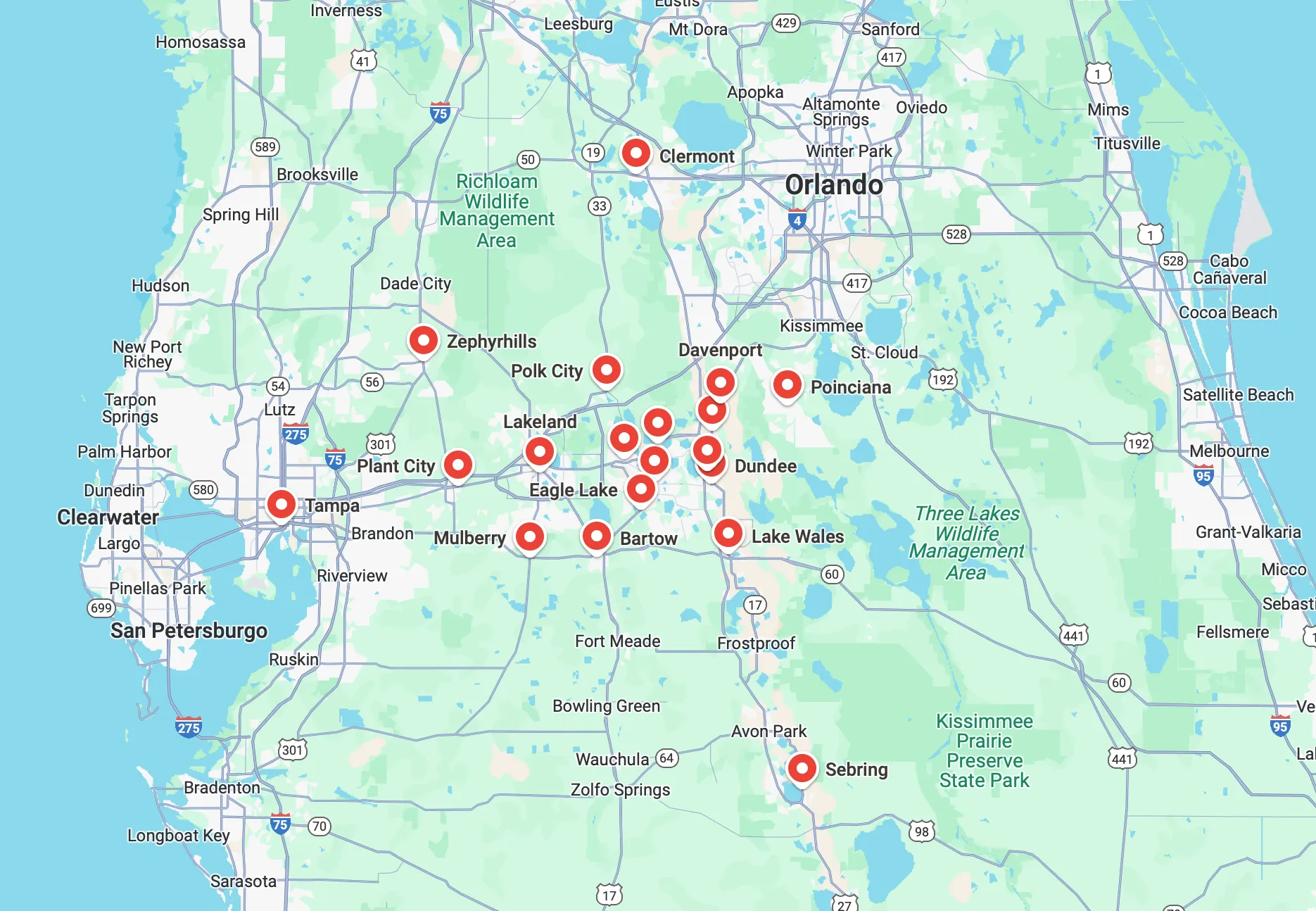
Service Areas